Exploring Cape Town: Where to stay, what to do, and how to plan a memorable visit
Cape Town is a city of contrasts, where rugged coastlines meet iconic mountains and vibrant neighbourhoods. For visitors seeking a warm, welcoming base, guest houses and boutique stays offer a blend of personal service, local flavour, and home-from-home comfort. Areas such as the Atlantic Seaboard, the city bowl, and the southern suburbs each bring a distinct character, making it worthwhile to choose a base that aligns with your plans, pace, and interests.
When planning a stay, consider what you want to do most days. If the mountains and seaside are your priority, a location near the Atlantic Seaboard or the popular Table Mountain area can minimise transfer times to viewpoints, beaches, and scenic routes. If you favour easy access to cafes, shops, and cultural sites, the city centre and vibrant neighbourhoods such as the southern suburbs provide a lively backdrop with plentiful dining options. For those with a palate for wine and tranquillity, the Constantia Valley and nearby wine routes offer lush scenery and relaxed days just a short drive from the city heart.
Accommodation in Cape Town ranges from intimate guest houses to stylish boutique hotels. When choosing where to stay, look for the following typical amenities and services that can make a stay smoother and more enjoyable:
- Private or communal lounges with comfortable seating and good light
- Well-equipped kitchens or continental breakfast options
- Secure on-site parking or easy contactless access where parking is limited
- Strong Wi‑Fi, convenient workspaces if needed, and quiet rooms for restful nights
- Reliable heating or air conditioning, given the city’s seasonal changes
- Helpful staff or hosts who are knowledgeable about local transport and sights
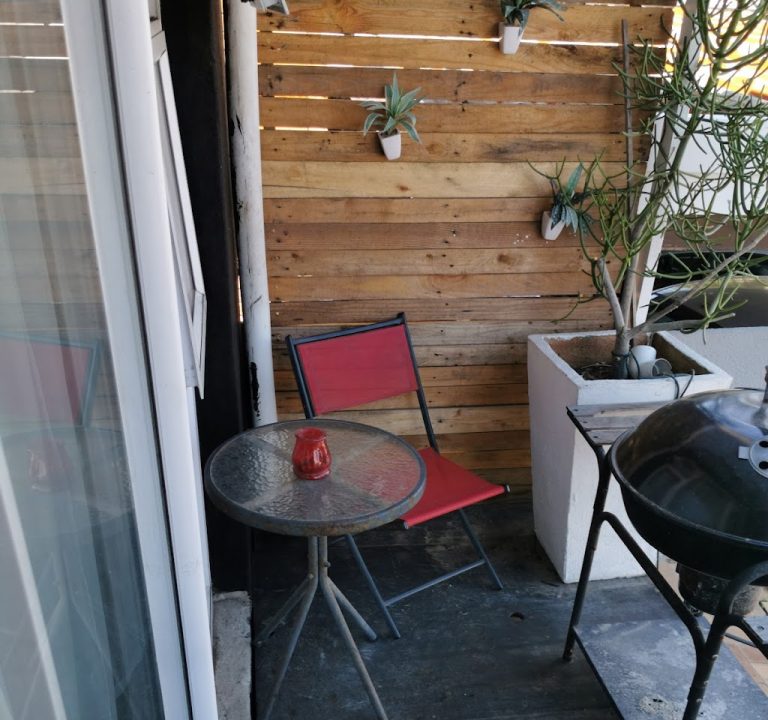
For visitors seeking a personalised stay, a guest house such as 9 on Windsor offers a homey atmosphere with the advantages of a curated, local experience. You can learn about the neighbourhood from your hosts, who are often happy to share tips on short drives to beaches, markets, and viewpoints. To explore more about this particular stay, see the official page: 9 on Windsor.
Transport around Cape Town is straightforward but varies by area. The MyCiTi bus network serves many central and tourist routes, while Uber and other ride-hailing apps are widely used for convenience and mobility at night. If you plan day trips to the Cape Peninsula, the Constantia wine routes, or nearby nature reserves, renting a car can offer flexibility, though many guided tours and day trips also operate from central hotels and guest houses. When booking, ask about parking arrangements, accessibility, and any local tips for safer neighbourhood routes after dark.
In terms of timing, the best time to visit Cape Town largely depends on your preferences for weather and crowds. The city enjoys long, sunny days in the summer months (roughly November to February), ideal for beaches and outdoor activities. Autumn and spring shoulder seasons (March to May, September to November) offer milder temperatures, fewer crowds, and excellent conditions for hiking and wine-country visits. Winter (June to August) brings cooler weather and occasional rain, but coastal scenery remains dramatic and visits to museums and markets can be particularly pleasant on these calmer days. Pack layers, sun protection, and a light waterproof layer to cover all bases.
Attractions to consider during your stay span natural scenery, culture, and cuisine. Iconic views from Table Mountain or the scenic drives along the Atlantic coast can form the backbone of a lazy, scenic day. Consider a cable-car ride to enjoy panoramic vistas, followed by a stroll through Kirstenbosch National Botanical Garden to marvel at the indigenous flora and peaceful trails. For coastal exploration, the shores near the V&A Waterfront provide a mix of shopping, galleries, and harbour atmosphere, while the Cape Peninsula route offers dramatic coastal scenery and animal-watching opportunities in places such as toygue or reserve-adjacent areas along the way.
Food and drink in Cape Town are as diverse as the landscape. You will find fresh seafood, smokehouse specialties, bistro-style eateries, and markets offering farm-to-table fare. In general terms, contemporary menus celebrate South African flavours with modern twists, emphasising seasonal produce, herbs, and textures. Many neighbourhoods have a cluster of casual cafés, bakeries, and family-run eateries where you can sample local cheeses, breads, and light lunches. If you enjoy wine, plan a day in Constantia or nearby regions and allow time for a relaxed lunch in a vineyard setting, paired with scenic views and thoughtfully sourced ingredients.
Practical tips for a smooth stay include budgeting for meals and transport, factoring in time for slower city traffic at peak hours, and making advance bookings for popular spots during peak season. It’s also wise to check hotel and guest house policies on check-in times, housekeeping schedules, and spillover access to facilities such as kitchens or shared spaces. If you have specific accessibility needs, confirm room layouts and entry routes in advance. Finally, always stay aware of your surroundings and follow local guidance regarding safe travel routes, especially after dark.
Overall, Cape Town rewards travellers who plan with flexibility and curiosity. A well-chosen stay—paired with a thoughtful mix of natural beauty, cultural exploration, and culinary discovery—can provide a memorable, balanced experience that showcases the city’s distinctive blend of landscapes, flavours, and hospitality. Whether you prefer a cosy guest house in a leafy neighbourhood or a chic base near the bustle of the waterfront, Cape Town invites you to design a stay that fits your pace and interests.