Discover Cape Town: Where to stay, what to see, and how to plan the perfect visit
Cape Town is a city of striking contrasts, from rugged coastlines and iconic peaks to vibrant neighbourhoods and world-class dining. When planning a stay, it helps to think in terms of neighbourhoods and routes, so you can link your accommodation to the places you want to explore. Whether you prefer a stylish boutique hotel near the V&A Waterfront, a cosy guest house in a leafy suburb, or a modern apartment with sea views along the Atlantic Seaboard, there are options to suit a range of budgets and travel styles.
Areas to consider for your stay include the central business district (the CBD) with quick access to museums and markets; the V&A Waterfront for marina views and easy attraction access; Green Point and the Seaboard for proximity to beaches, parks, and the stadium; and the Atlantic Seaboard (including Camps Bay and Clifton) for dramatic scenery and sunset dining. Constantia, a little inland, is ideal for wine lovers and restful stays among wine estates and green hillside plots. If you’re travelling with family or seeking a quieter vibe, neighbourhoods such as Oranjezicht, Observatory, or Observatory Hill offer charming guest houses and convenient transport links to the city centre.
When you book, look for a few practical features that can make or break a stay. Proximity to public transport or reliable ride-hailing options is invaluable in Cape Town, where traffic and parking can be challenging. A property with secure parking or easy street parking can save time, and a reasonable walk to cafés and groceries helps with daily routines. Consider the availability of a kitchen or kitchenette if you plan longer stays, and check for amenities such as reliable Wi‑Fi, a comfortable workspace, and a good heating or cooling system for the varying seasons. Many guests appreciate a light-filled communal area, a friendly host, and local tips on routes and must-see experiences.
Typical accommodation types in Cape Town range from historic guest houses with intimate layouts to contemporary boutique hotels and self‑catering apartments. Facilities commonly encountered include private or en-suite bathrooms, daily housekeeping, and sometimes breakfast service. Pools or outdoor spaces are a bonus in the warmer months, while some properties offer easy access to hiking trails, coastal paths, or garden routes. For those seeking extra privacy, a self-contained unit with its own entrance can be a particularly appealing choice.
Best time to visit Cape Town is influenced by weather and crowd levels. The summer season (roughly November to February) offers long days, warm seas, and lively outdoor scenes, making it ideal for beaches and scenic drives along the coast. Autumn (March to May) brings cooler mornings and pleasant daytime temperatures, while spring (September to November) bursts with wildflowers and ample markets. Winter (June to August) is cooler and wetter, but there are still attractions to enjoy, and the city’s indoor spaces—multural centres, galleries, and dining venues—remain inviting. Booking early for popular periods, such as the festive season, helps secure preferred rooms and better rates.
Transport in Cape Town is well supported by both public and private options. The MyCiTi bus network provides comprehensive routes across the city and into surrounding suburbs, while Uber and other ride-hailing services offer convenient door-to-door travel. If you are staying near the Atlantic Seaboard or the CBD, walking is pleasant for many short trips, with scenic routes along the coastline and through green parks. If you plan day trips to the Cape Winelands or the Cape Peninsula, check whether your accommodation offers a shuttle service or can arrange reliable private transport.
When planning attractions and dining, consider pacing your days to balance outdoor time with opportunities to rest. In general terms, Cape Town’s attractions span natural beauty and cultural discovery. You might stroll along the historic markets and harbourfront, take a cable car or vantage point for panoramic views, explore nearby nature reserves, or embark on a coastal drive toward gentle hinterland towns. Dining ranges from casual coastal cafés to fine dining establishments focusing on local ingredients and regional flavours. Many venues are seasonal, so it’s worth reserving ahead, especially at popular spots during peak times.
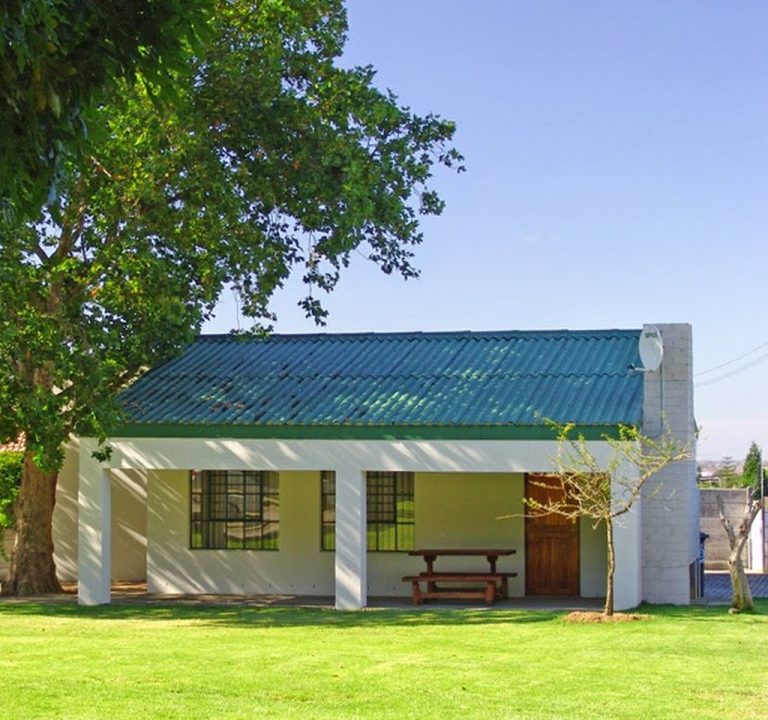
For accommodation ideas to suit different tastes, you could explore a range of properties, including a guest house such as Guest House Die Skuur, which offers a personal approach and convenient access to Cape Town’s sights. Details and availability are usually listed on property websites or hospitality platforms. For online planning, you can browse a property’s location map, nearby eateries, transport options, and guest reviews to gauge suitability before booking a stay.
Tips for a smoother trip:
- Research neighbourhoods based on your planned activities—beach days, hiking, markets, or dining hubs—and choose a base accordingly.
- Check for included amenities that save time and effort, like a kitchenette, laundry facilities, and flexible check-in options.
- Factor travel time to major sights when planning daily itineraries, and build in buffer periods for weather changes or spontaneous discoveries.
- Protect yourself against peak-season crowds by booking accommodation and key experiences well in advance.
- Review cancellation policies and travel insurance options, especially if you plan a longer stay or travel during shoulder seasons.
Cape Town blends natural splendour with a welcoming urban scene. With thoughtful planning, your stay can be comfortable and immersive, allowing you to soak up the scenery, enjoy diverse cuisine, and discover the city’s many hidden corners at a comfortable pace. For more information and ideas, visit accommodation providers’ official sites or trusted travel guides, which can help tailor your itinerary to your interests and dates.