Staying in Cape Town: where to base your visit, what to book, and how to make the most of it
Cape Town is a city of contrasts, from dramatic coastal scenery to lush vinicultural hillsides and characterful neighbourhoods. When planning a stay, choose a base that suits your rhythm—whether you want easy access to Table Mountain and the V&A Waterfront, or a coastal enclave with beaches and sunset views. Self-catering options, guesthouses, and boutique hotels all feature in diverse neighbourhoods, making it possible to tailor your trip to your interests and pace.
One practical starting point is to consider the areas that best match your activity plan. The City Bowl and the central promenade around the V&A Waterfront put you within walking distance of museums, markets, and city sights. The Atlantic Seaboard covers Camps Bay and Clifton, offering sandy beaches and sea views, with a lively dining scene and plenty of sunshine. Constantia and Constantia Valley are perfect for wine lovers, with scenic drives and leafy estates. For a more authentic, colourful experience, the Bo-Kaap and the southern suburbs provide characterful accommodation options close to historic streets and neighbourhood eateries. If you’re seeking modern conveniences and easy airport access, the northern suburbs and Century City can also be convenient bases.
Accommodation in Cape Town runs from stylish self-catering apartments and villas to intimate guesthouses and contemporary hotels. When evaluating options, consider the following typical amenities and features:
- Self-catering facilities: fully equipped kitchens or kitchenettes, dining spaces, and laundry facilities can be a major time-saver, particularly for families or longer stays.
- Nice touches: reliable Wi‑Fi, on-site parking, secure access, daily housekeeping or mid-stay cleaning, and clear information on local transport links.
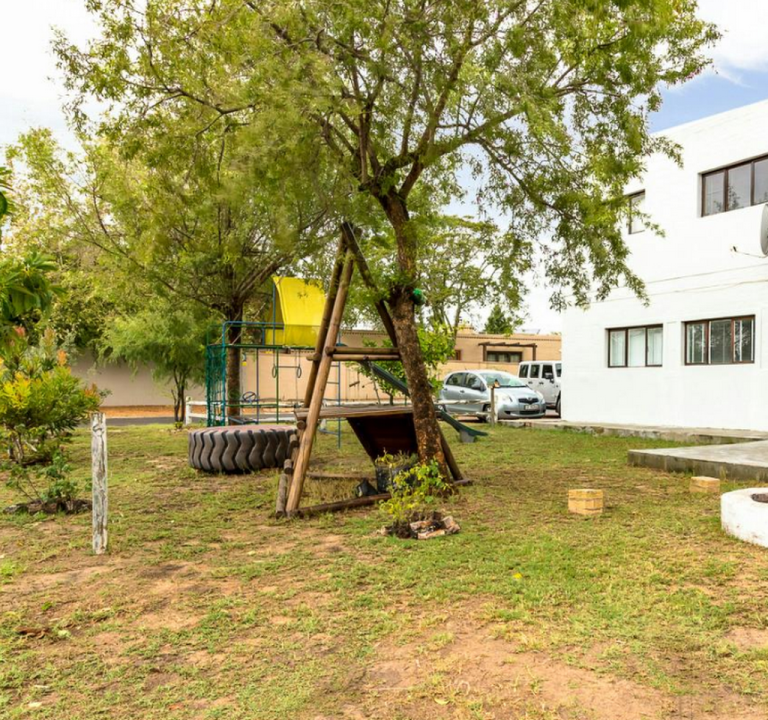
- Outdoor spaces: balconies, terraces, gardens, or access to shared outdoor areas with seating and views.
- Transport access: proximity to MyCiTi bus routes, train stations, or appointed shuttle services can reduce the need for car hire.
- Security and access: well-lit streets, 24-hour reception or on-site staff, and secure entry systems.
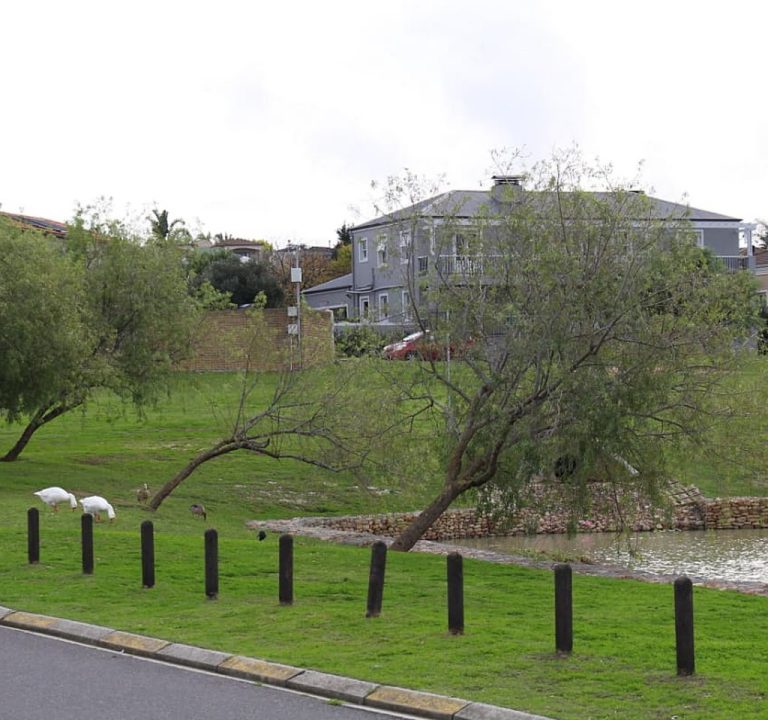
For a comfortable self-catering stay, look up properties such as De Bron Suites, a self-catering option that highlights the convenience of home-from-home comforts while being well placed for exploring the region. Visit their website to learn more about the accommodation and its features: De Bron Suites.
Booking tips to help you plan a smooth Cape Town stay:
- Location matters: choose a base that minimizes long transfers for your planned days. If you intend to spend long days outdoors or on the trail, staying near a park or the city’s east-west corridors can cut travel time.
- Read the small print: check cancellation policies, housekeeping schedules, and whether the price includes utilities, internet, or parking.
- Consider the season: Cape Town’s peak tourist months (summer in the southern hemisphere) bring pleasant weather but busier streets and higher rates. Shoulder seasons can offer good value and more relaxed atmospheres.
- Transport planning: assess the availability of reliable public transport or convenient parking if you plan to hire a car. Some areas are best explored on foot or by guided tours.
- Safety and comfort: verify security provisions, including secure entry and on-site staff availability. Read guest reviews to gauge the safety and comfort of sleep, noise levels, and neighbourhood ambience.
When it comes to planning your itinerary, a balance of iconic sights and local experiences works well. Nature lovers can access Table Mountain and Lion’s Head for sunrise excursions, scenic coastal walks along the Atlantic Seaboard, and hiking trails in nearby nature reserves. Cultural enthusiasts often enjoy wandering historical neighbourhoods, markets, and craft stalls that showcase Cape Town’s diverse heritage. For food lovers, the city’s culinary scene ranges from casual eateries to refined dining, with many places offering seafood, modern fusion dishes, and farm-fresh ingredients from nearby regions. Dining in Cape Town frequently emphasises fresh produce and seasonal menus, with a focus on coastal flavours and wine-country pairings. Restaurants can be found in hotel spaces, standalone venues, and vibrant districts, each offering a distinct atmosphere and price range.
Best time to visit Cape Town generally aligns with mild, sunny weather—although the city is beautiful year-round. The late spring and autumn months often bring pleasant temperatures and softer crowds, while summer offers long days and great conditions for outdoor activities. If you’re planning a wine tour or a day trip to the Constantia Valley, make sure to book in advance during peak periods. Consider a few practical tips for a smoother trip: pack layers for rapidly changing mountain weather, bring a light rain jacket for occasional showers, and plan for strong sun exposure with sunscreen and a hat during midday hours.
In summary, Cape Town offers a wide range of accommodation styles to suit different preferences and budgets, with many properties providing easy access to transport links, local attractions, and dining options. Whether you favour a sleek apartment with self-catering facilities, a cosy guesthouse in a historic street, or a modern hotel near the waterfront, thoughtful planning will help you shape a memorable stay. Use reputable booking sites to compare neighbourhoods, read recent guest reviews for reliability, and check the latest travel guidance for the region before you depart. For inspired self-catering stays and convenient access to Cape Town’s attractions, De Bron Suites stands as a practical example of a well-situated option that combines home comforts with a gateway to the city’s diverse experiences.