Accommodation and experiences in Cape Town, Western Cape
Nestled between the iconic Table Mountain and the Atlantic coastline, Cape Town offers a diverse range of places to stay and a breadth of experiences for every type of traveller. From boutique BnBs and guesthouses in leafy suburbs to self-catering lodges near the coast, planning a stay in this city means considering location, amenities, and how you intend to structure your days. The right choice can make the difference between a smooth transit of sightseeing and a more relaxed, restorative break.
When choosing where to stay, think about your priorities. If you want easy access to the city centre and the V&A Waterfront, you might look for accommodation in the Foreshore, City Bowl, or Green Point areas. For families or those seeking a quieter base with outdoor appeal, suburbs such as Gardens, Oranjezicht, or Constantia offer pleasant, characterful options with easy road access to both beaches and mountain trails. If you prefer a more relaxed, vineyard-adjacent atmosphere, Constantia, Hout Bay, or the Cape Peninsula have lodges and guesthouses where nature and views form part of the experience. For visitors who enjoy a more value-oriented or longer-stay feel, Brackenfell and Brackenfell North provide lodgings that are practical for day trips across the peninsula while you enjoy a calmer residential environment.
Typical amenities to look for include complimentary Wi‑Fi, secure parking, and a generous breakfast offering or self-catering facilities if you plan longer stays. Many lodgings in Cape Town pride themselves on thoughtful touches such as well-equipped kitchens, laundry facilities, and outdoor spaces that capture the views of the surrounding mountains or garden courtyards. If you value accessibility, check for lift access or ground-floor rooms, and confirm whether the property can accommodate your group size, be it a cosy couple’s retreat or a multi-generational family gathering.
Transport is a practical consideration. Cape Town’s geography means that having a car can make it easier to explore beyond the immediate neighbourhoods, especially if you want to visit Cape Point, the Cape Winelands, or the Cape’s southern beaches. Public transport and ride-hailing services are available, but some areas are best served with private transport, particularly in the evenings or when heading to more secluded viewpoints. If you are relying on public transit, ask your host or the property manager for guidance on safe, convenient routes and estimated travel times between your accommodation and major sights. For short stays in the city centre, a well-located property can save time, but a quieter base with easy parking can be excellent for rest after busy days of exploration.
Best time to visit Cape Town depends on what you want to do. The summer months (roughly November to February) bring brighter, longer days and calmer seas, ideal for the beaches and boat trips. Spring (September to November) and autumn (March to May) offer milder weather and fewer crowds, which is favourable for hiking trails and city exploration. Winter (June to August) can be cooler and windier, but it also brings affordable rates and the chance to experience the city’s cultural offerings, markets, and cosy eateries without the bustle of peak season. Whatever time you choose, plan ahead for essential experiences such as cable car trips up Table Mountain (weather permitting) and a visit to the world-class coastal reserves and botanical gardens, where shade and sea breezes help temper warmer days.
Booking tips to help you plan smoothly:
- Read guest reviews and confirm what the room includes, such as parking, breakfast, or access to common spaces.
- Double-check cancellation policies and any seasonal pricing fluctuations to avoid surprises.
- Clarify nearby transport links and walking routes to your preferred sights, particularly if you plan to explore on foot or reduce car use.
- Ask about local guidance on safety, neighbourhoods, and quiet hours to tailor your daytime plans accordingly.
- Request flexible arrangements for check-in or late arrivals if your travel schedule is variable.
In addition to comfortable lodgings, Cape Town’s attractions and dining scene can enrich any stay. General highlights include dramatic coastal viewpoints, easy access to the Table Mountain National Park, and scenic drives along the Atlantic Seaboard. Cultural institutions, bustling markets, and contemporary restaurants offer a range of experiences, from casual cafes to refined dining. For a well-rounded visit, combine a mix of outdoor time—whether on a nature trail, at a secluded beach, or along the coastal paths—with days spent exploring museums, galleries, and neighbourhood eateries that showcase South Africa’s flavours and hospitality. Reservations for popular eateries or guided tours can help secure spaces during peak periods, especially in the high season.
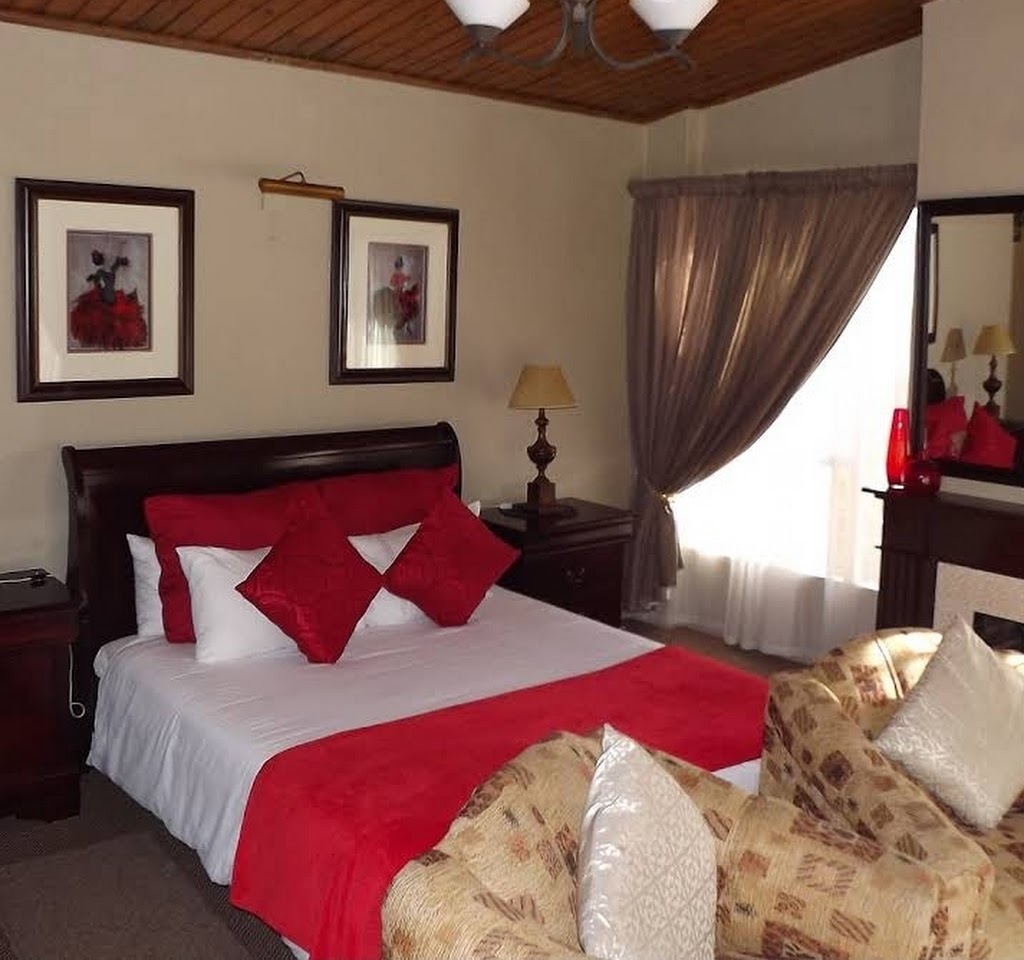
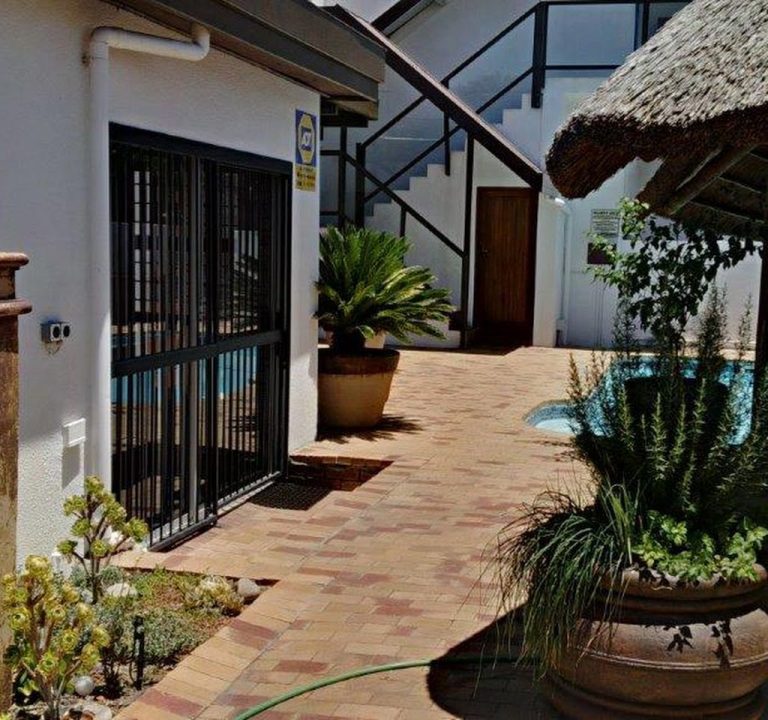
As a practical option for travellers seeking a place with a calm base and reliable access to the broader region, Morgenzicht Guests Brackenfell presents a lodging choice within the Brackenfell area. It can serve guests who prefer a quieter starting point for day trips to the peninsula, constantia valley, and surrounding suburbs, while still providing straightforward access to Cape Town’s urban conveniences. For visitors who plan to explore Cape Town with a balance of restful downtime and countryside excursions, such a base can be complementary to a more central stay, offering comfortable rooms, practical amenities, and a restful environment after busy days out.
Ultimately, a well-planned Cape Town stay blends a comfortable home base with the city’s natural beauty, historic charm, and vibrant culinary scene. By weighing location, transit options, and essential amenities, travellers can craft an itinerary that maximises time for both exploration and relaxation, ensuring a memorable Western Cape visit.