Accommodation and Experiences in Johannesburg, Gauteng, South Africa
Johannesburg, often simply referred to as Jo’burg or Jozi, offers a vibrant mix of accommodation styles, from intimate guesthouses tucked into leafy suburbs to modern hotels with skyline views. Planning a stay in this dynamic city means balancing convenient access to business districts with a sense of neighbourhood character, plenty of dining options, and easy access to cultural and natural attractions. Whether you favour a boutique inn, a contemporary hotel, or a guesthouse with a personal touch, Johannesburg has something to suit most itineraries and wallets.
When choosing where to stay, consider the neighbourhoods that align with your plans. Sandton provides a commercial hub with upmarket hotels and shopping, Rosebank offers a chic mix of cafes and markets with good transport links, and Braamfontein and Maboneng bring a hip, walkable atmosphere and proximity to galleries and nightlife. For a quieter, more residential feel, Greenside and Melville offer homely inns and guesthouses set in tree-lined streets, often within easy reach of the city centre. If you intend to spend long days in a specific area, check the accessibility by public transport or ride-hailing services, as traffic can be heavy during peak hours.
Typical amenities to look for include reliable Wi‑Fi, secure on-site parking or convenient public transport access, interpreted as a practical edge for longer stays. A comfortable bed, good housekeeping, and a well-equipped kitchenette or tea and coffee facilities can make a big difference for extended visits. For guests seeking a personal touch, boutique inns and guesthouses frequently offer breakfast options, with hosts who can point you to local dining spots and hidden suburban gems. If you are travelling with family or a small group, look for suites or family-friendly layouts, as well as flexible billing and late check-in options.
Transport in Johannesburg is well served by taxis, rideshare apps, and a growing network of bus and metro services in some corridors. The central business district and central-northern suburbs benefit from relatively short hops to key sites, while more outlying areas may require a car or reliable ride-hailing. When booking, it helps to confirm whether the property offers airport transfers or shuttle services, and to check the frequency and routes of nearby public transport. For travellers keen on exploring at a slower pace, many guesthouses and inns in urban village-like neighbourhoods make for pleasant walking bases, with easy access to local cafés and markets.
The best time to visit Johannesburg is generally from late spring to early autumn in the southern hemisphere, with mild temperatures and outdoor events. However, the city’s climate can be warm year-round, so plan for occasional heat in the summer and cooler evenings in winter. If you intend to combine city sightseeing with outdoor days, consider the shoulder seasons for more comfortable walking weather and fewer crowds at popular sites. Always pack a light layer for the evenings, and stay hydrated when exploring on hot days.
In terms of attractions, Johannesburg offers a broad spectrum from historical insights to modern culture. You might structure a stay around a mix of museums, markets, and neighbourhood strolls, followed by relaxed evenings sampling a wide range of dining options. While it is best to refer to official tourism resources for exact listings, you can expect venues that explore the city’s profound history, contemporary art scenes, and diverse culinary landscape. A gentle approach to planning is to pick a couple of core days—one focused on cultural highlights and another dedicated to discovering local districts, street art, and hidden eateries. For those who seek a balanced itinerary, a day trip to nearby nature reserves or the cradle of civilisation in the region can complement city days nicely.
Restaurants in Johannesburg span a wide spectrum, from traditional South African bistros to modern eateries offering international flavours. In practice, you’ll encounter places that celebrate local ingredients, with menus that change seasonally. Many guests enjoy trying a few laid-back venues in the evenings after day-time sightseeing, while boutique inns often provide curated recommendations or even hosted dinners. If you prefer self-guided dining, you’ll find a number of cafes and casual spots in central and northern suburbs that cater to different tastes, from light meals to more substantial options. Always check recent reviews or host recommendations when you arrive, as gastro scenes can evolve quickly.
Practical tips for a smooth stay:
- Book in advance for popular periods and consider a neighbourhood that aligns with your daily plans.
- Confirm transport arrangements and parking options to avoid delays during peak hours.
- Ask hosts or reception for nearby markets, up-and-coming districts, and less-touristy dining ideas.
- Pack adaptable clothing for warm days and cooler evenings, especially if you plan to be outdoors.
- Respect local customs and security considerations in different areas, and keep valuables secure.
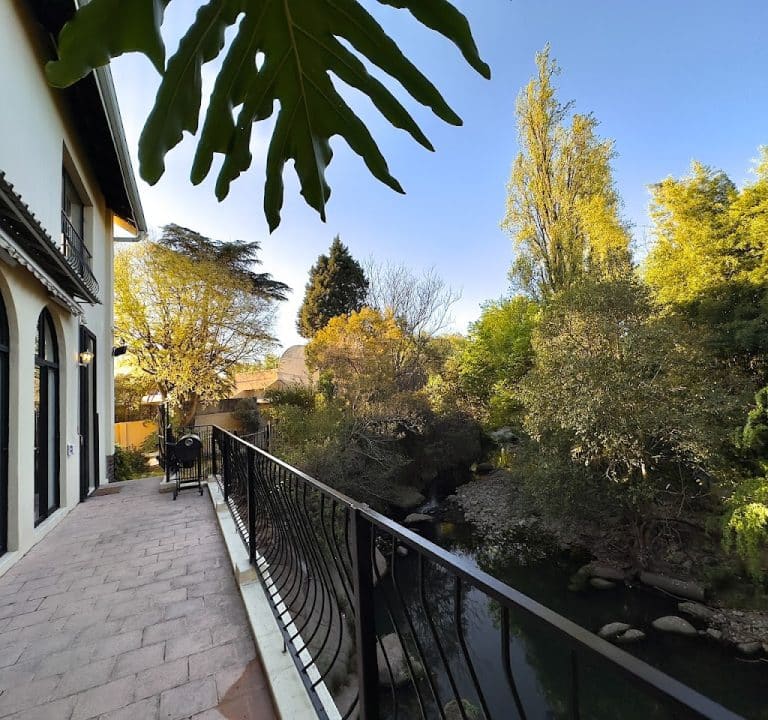
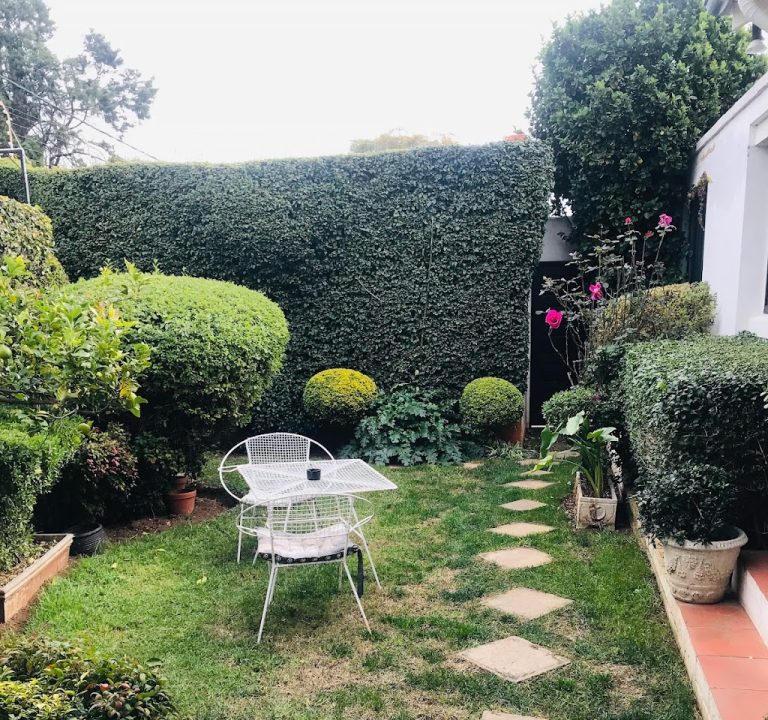
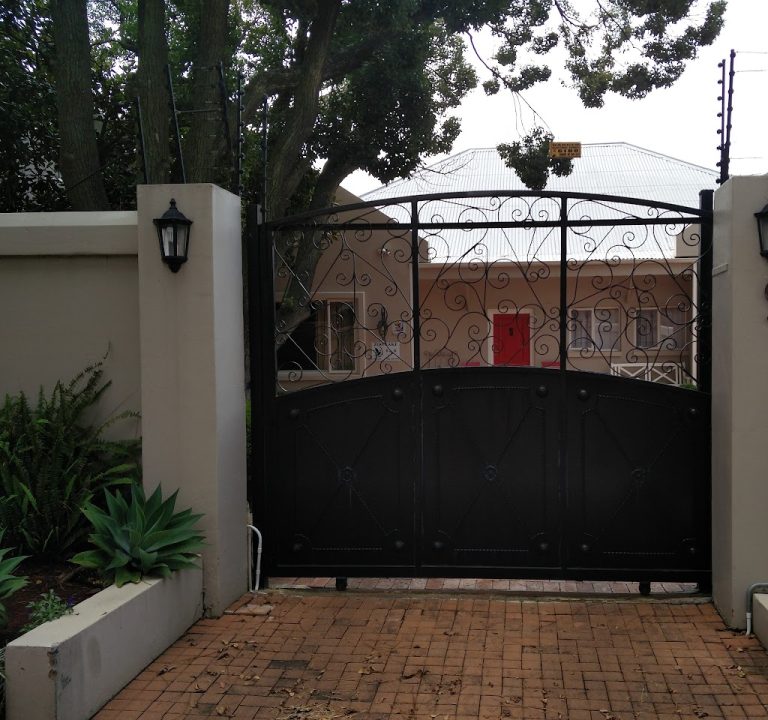
As a charming example of Johannesburg’s hospitality options, Greenside Residence illustrates the kind of inn experience you can expect in leafy Greenside—comfort, character, and a convenient base for exploring the city. For those seeking more cosmopolitan vibes, a boutique hotel or stylish guesthouse in Rosebank or Braamfontein can provide easy access to shopping, galleries, and nightlife, while Sandton remains a practical anchor for business travellers and family stays alike. Regardless of where you choose to stay, a well-planned itinerary that balances rest, exploration, and time to simply soak in the city’s atmosphere will help you get the most from your Johannesburg visit. For more ideas and practical planning resources, consider visiting official tourism sites or reputable travel guides to tailor your stay to your interests. You can then weave these experiences into a comfortable, well-paced journey through Gauteng’s captivating capital.