Accommodation, attractions and practical planning for a stay in Johannesburg, Gauteng
Johannesburg offers a vast array of guest houses, boutique hotels and lodges that suit different budgets and styles, from leafy suburbs to vibrant city districts. When planning a stay, it helps to think about what you want to experience in the city, how you’ll get around, and what kind of ambience will make your trip memorable. In many neighbourhoods you’ll find guest houses with character, flexible check‑in arrangements, and locally sourced breakfasts that set you up for a day of discovery.
Areas to consider include central Johannesburg for easy access to museums and core business districts, and northern suburbs such as Sandton and Rosebank for shopping and upmarket dining. Parkhurst, a bohemian village within the city, offers a walkable setting with cafes, small art galleries and convenient transport links. Melville and Braamfontein have a youthful energy with street art, markets and a lively nightlife scene. If you’re seeking a leafy, residential feel with quick access to major routes, look for guest houses tucked into quiet neighbourhoods with secure parking.
When choosing a place to stay, consider the following practical questions. What type of breakfast is offered, and is it included in the rate? Is there on‑site parking or easy street parking nearby, and is the area safe for a short evening stroll? Are there public transport links within easy reach, such as rail or bus routes, or is Uber readily available from the doorstep? Do the rooms come with essential comforts such as reliable Wi‑Fi, a en‑suite bathroom, air conditioning or fans, and good heating for winter nights? A guest house with a comfortable communal area, a well‑equipped kitchen, and a friendly host can make a big difference to your stay, especially if you’re travelling for an extended period or with family.
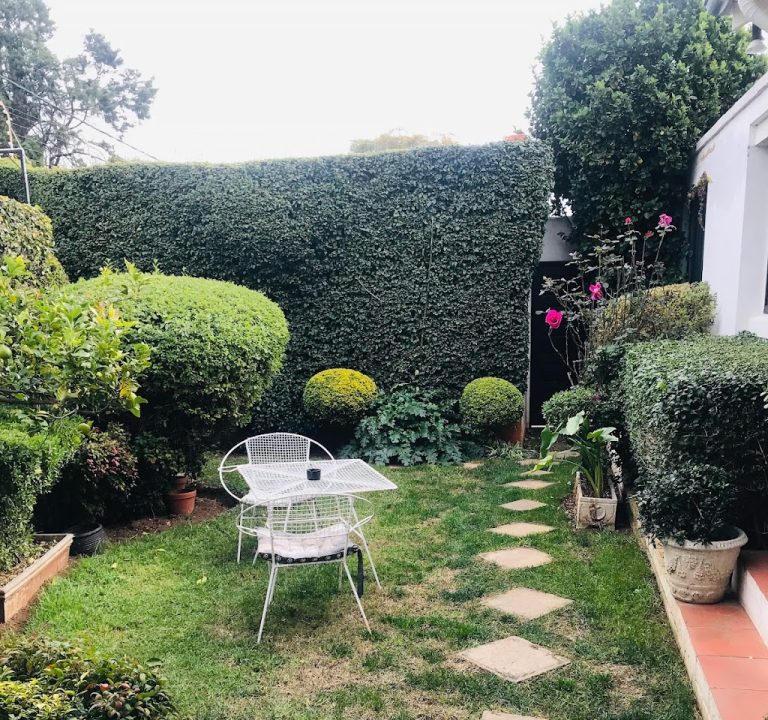
Typical amenities you might encounter include free Wi‑Fi, off‑street parking, breakfast options (continental, full cooked or both), laundry facilities, quiet gardens, a pool, and guest lounge spaces. In well‑located suburbs you may find easy access to cafés, markets, and take‑away outlets, which helps balance a restful stay with the city’s dynamic food scene. If you plan to self‑cook, check the kitchen facilities and whether there are communal spaces where guests can gather. For business travellers, look for desks in rooms or near communal areas, reliable power backups, and locations that shorten your commute to key meeting points.
The best time to visit Johannesburg depends on your priorities. The city enjoys warm summers with thunder showers and cooler, dry winters. Spring (October to November) and autumn (March to May) are often pleasant, with comfortable temperatures for outdoor exploration. If you’re keen to combine city sightseeing with day trips to nearby attractions, plan for late summer showers to be brief and expect some humidity. Always check the weather forecast ahead of your trip and pack layers, a light rain jacket and comfortable walking shoes for exploring both parks and urban walking routes.
Getting around Johannesburg is straightforward, but planning transport in advance helps reduce stress. The Gautrain is convenient for longer hops between suburbs and the airport, while Uber and other ride‑hailing services cover most routes in the city. If you’re staying in a guest house with parking, you may choose to drive to certain sights, but keep in mind traffic and parking rules in busier districts. For longer stays, a local SIM card with data can be useful for navigation and keeping in touch with hosts or fellow travellers.
A representative sample of what to see and do ranges from emblematic cultural landmarks and historic sites to local markets, parks and dining precincts. You can expect a mix of thought‑provoking museums and galleries, such as those exploring South Africa’s complex past, plus neighbourhoods that invite you to wander, people‑watch and sample a variety of cuisines. In addition to indoor experiences, Johannesburg offers outdoor green spaces and scenic viewpoints that make a relaxing counterpoint to city life. For a fuller sense of the city’s character, consider a gentle stroll through a park or a market, followed by a meal at a restaurant that specialises in South African or international flavours.
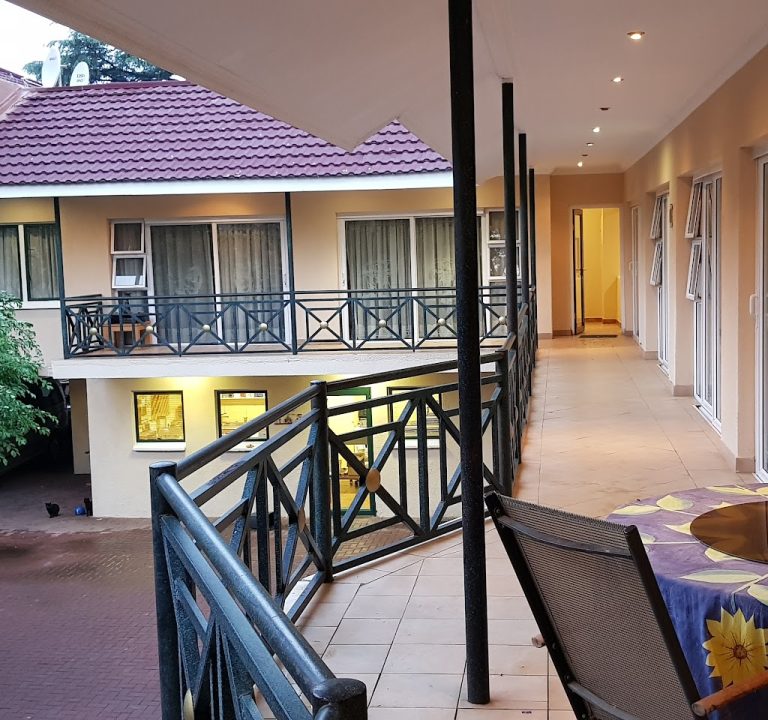
Where to stay can influence the daily rhythm of your trip. A guest house in Parkhurst, for example, might provide a homely, walkable base with easy access to local cafés and shops, while a guest house in Rosebank or Sandton could offer quicker routes to shopping centres and business facilities. Regardless of location, a well‑chosen lodging should feel safe, comfortable, and convenient, with hosts or staff who can share practical tips about local transport, current openings, and seasonal events. If you’re researching a property like The French Quarter Parkhurst, you can expect a guest house atmosphere that combines character with guest‑friendly comforts, and a position that makes it feasible to explore nearby eateries and markets on foot or by short rides.
- Areas to consider: Parkhurst for village charm; Sandton and Rosebank for shopping and business links; Braamfontein and Melville for nightlife and culture; Maboneng for urban arts and markets.
- Booking considerations: inclusions (breakfast, parking), Wi‑Fi reliability, room configuration, access after hours, and guest lounge or communal areas.
- Transport tips: use the Gautrain for fast connections, ride‑hailing for door‑to‑door convenience, and check local parking rules if driving.
For planning inspiration and practical information, local tourism resources and guest‑house listings can offer up‑to‑date tips about areas, amenities, and what to expect during your stay in Johannesburg. A well‑chosen base in the city can unlock an enriching balance of historical insight, cultural experiences, and fresh, diverse cuisine. For more ideas and confirmed listings, you may wish to explore regional tourism information online.