Where to stay and what to do in Johannesburg: guidance for a comfortable, convenient visit
Johannesburg, or Jo’burg as it is often called, is a vibrant gateway to South Africa’s Gauteng province. A stay here offers a mix of stylish guesthouses, contemporary hotels, and characterful lodges that cater to a range of budgets and preferences. When planning a visit, think about convenience, security, and the kind of neighbourhood that will enhance your days of sightseeing and evenings of dining and relaxation. For a comfortable base, consider properties that provide easy access to major routes, reliable transport options, and clear information on local safety considerations.
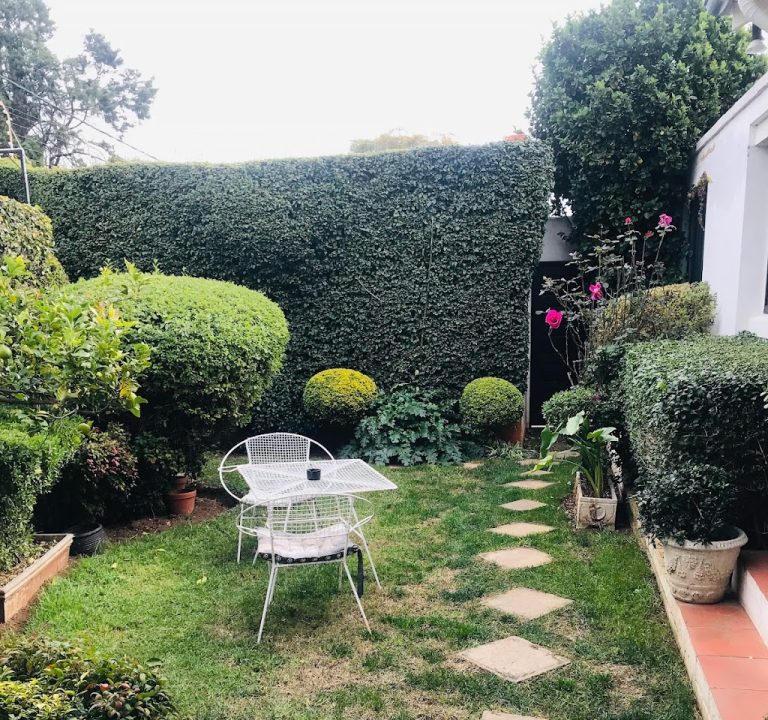
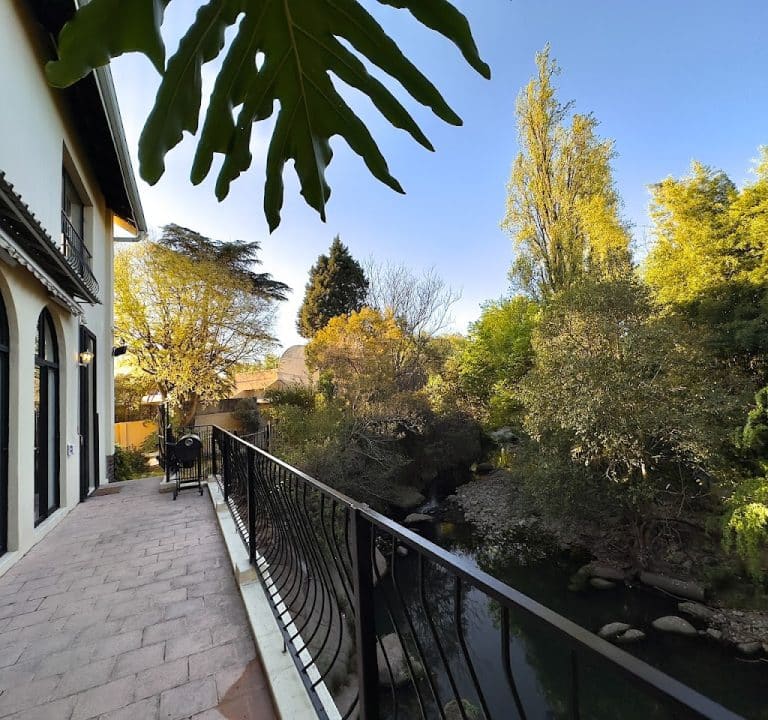
Accommodation in Johannesburg spans several well-known districts, each with its own flavour. Sandton is recognised for sleek business hotels and upscale guesthouses close to shopping centres and business hubs. Rosebank provides a cosmopolitan atmosphere with boutique stays, markets, and convenient Gautrain access. Braamfontein and Maboneng are popular with guests seeking a more metropolitan vibe, art, and nightlife, with a range of guesthouses and small hotels that place you within walking distance of lively streets and cafés. For a more residential, family-friendly feel, consider options in Melville or Greenside, where you’ll find quieter streets, leafy surrounds, and guesthouses with garden spaces. Soweto offers a sense of history and culture, with a selection of guesthouses and small inns that provide warmth and insight into local life. If your plans include day trips to the Cradle of Humankind or the nearby natural scenery, look for properties with straightforward access to major routes or with guided suggestions for self-drive itineraries.
When choosing a place to stay, look beyond the price to the practical details that affect your day-to-day experience. Priorities often include secure parking or convenient public transport access, a reliable hot water supply, and a good breakfast or options for self-catering. If you plan late arrivals, a reception desk with friendly, helpful staff or a 24-hour contact point can make a big difference. For families or groups, a property with multiple bedrooms, separate living spaces, and convenient kitchen facilities can offer better value and comfort. If you have mobility considerations, check access to ground-floor rooms, elevator availability, and clear pathways in common areas.
Typical guesthouse and hotel amenities in Johannesburg commonly include free Wi‑Fi, secure parking, and complimentary breakfast; many properties also offer tea- and coffee-making facilities, air conditioning, and in-room safes. In the current climate, you might also find enhanced cleaning protocols, contactless check-in, and well-designed self-catering options. For a more local experience, seek a guesthouse that emphasises personalised service, with hosts who can offer recommendations on neighbourhood walks, markets, and hidden eateries that showcase Gauteng’s diverse flavours.
Getting around the city is relatively straightforward, though planning is key. The Gautrain offers fast rail links between central Johannesburg and Pretoria, with stations in Sandton and Rosebank that connect to other parts of the city. Within Johannesburg, Uber and other ride-hailing apps are commonly used, and many guesthouses can arrange trusted airport transfers or private drivers for day trips. If you prefer self-drive exploration, ensure your booking includes secure on-site parking and clear guidance on driving in different areas, as some neighbourhoods differ in traffic patterns and parking etiquette.
The best time to visit Johannesburg is during the South African winter and spring months, when the days are mild and outdoor activities are comfortable. Summer can bring afternoon thunderstorms, but the city’s parks and outdoor markets are lively year-round. Autumn brings clear skies and pleasant temperatures, making it a good period for exploring city streets and surrounding nature reserves. If you are planning a cultural or wildlife outing, consider aligning your schedule with museum hours or park entry times to make the most of your days without rushing between sites.
When you plan activities, balance city experiences with moments to unwind at your accommodation. Weaving in local dining experiences—ranging from modern eateries to traditional favourites—helps you understand Johannesburg’s culinary landscape without committing to a single neighbourhood for every meal. In Jo’burg you’ll find a range of casual cafés, wine bars, and restaurants that reflect the city’s multicultural flavour. For sightseeing, you’ll encounter a mix of formal museums, open-air markets, historical sites, and public art. If you enjoy shopping, consider a day exploring modern shopping centres alongside neighbourhood markets where crafts and street food sit beside contemporary fashion and design.
Practical planning tips for a satisfying stay:
- Choose a base with easy access to main routes and public transport, but in a neighbourhood that feels safe and welcoming for evening strolls.
- Ask about breakfast options, kitchen facilities, and laundry services to match your itinerary and length of stay.
- Check parking arrangements if you are driving, including whether there are secure or undercover spaces.
- Discuss late check-in arrangements if your travel plans involve late arrivals.
- Request local insights from hosts or staff about markets, eateries, and day trips to make the most of your time.
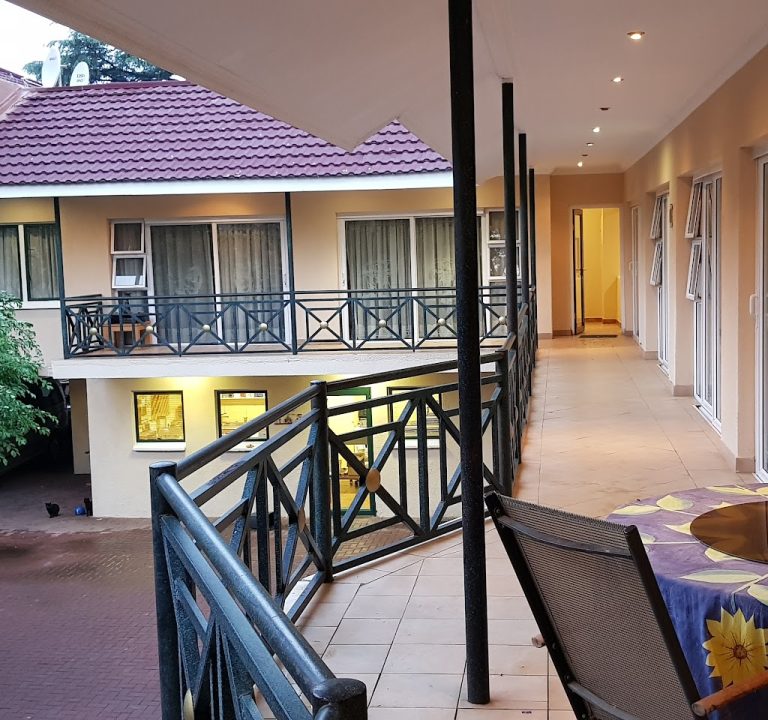
For guests seeking a personal touch within a guest house setting, a property such as Number 57 can offer a home-from-home atmosphere with attentive hosts, comfortable rooms, and practical guidance for navigating the city. With thoughtful amenities, convenient location, and a focus on guest comfort, such places can be a reliable base for a varied Johannesburg itinerary.