Johannesburg: where to stay and how to plan your visit
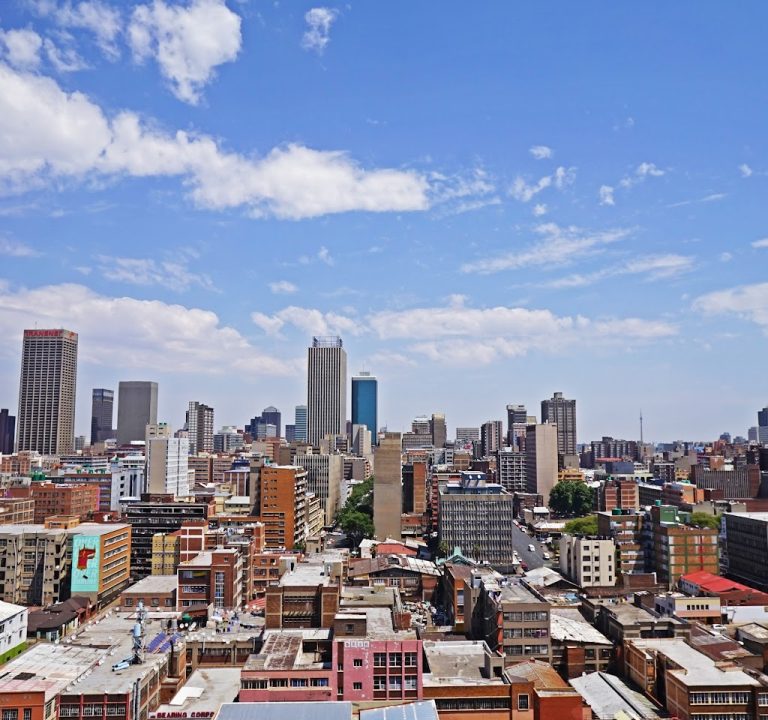
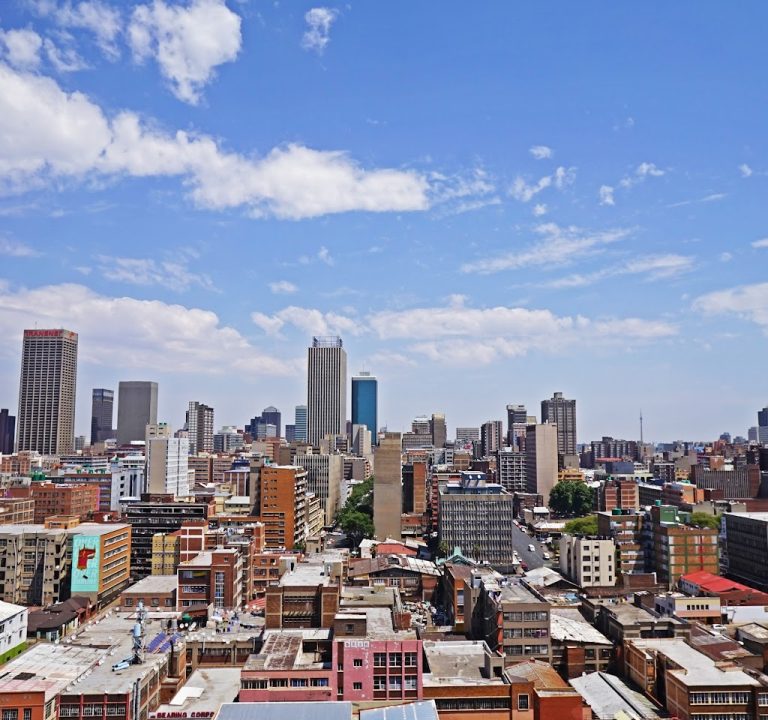
Johannesburg, in Gauteng, blends vibrant neighbourhoods with delivers of culture, history and contemporary urban life. When planning a stay, consider how you want to experience the city: a buzzy city core with easy access to museums and art, or a leafy northern suburb with calmer streets and stylish guesthouses. The right choice can shape your daily rhythms, from morning coffees to late-night strolls.
Accommodation options range from modern hotels to boutique guesthouses and well-appointed apartment rentals. In central districts such as Jeppestown, Braamfontein, and the Maboneng Precinct, you’ll find contemporary hotels and design-led stays with ready access to eateries and galleries. For a more cosmopolitan feel, Rosebank and Sandton offer upscale hotels alongside convenient transport links to the airport and business hubs. If you prefer a neighbourhood with a village vibe, look to Parkhurst, Melville or Greenside, where guesthouses and smaller hotels sit amongst cafés and boutiques.
When choosing where to stay, think about three practical factors: safety, proximity to your planned activities, and access to reliable transport. Johannesburg’s streets can be busy, and some areas at night are best navigated with a trusted ride-hailing app or by hotel shuttle services. If you’re travelling by train or limousine service, consider districts with easy access to Gautrain stations or major arterial roads. For families or longer stays, serviced apartments can offer space, kitchen facilities and a quieter centre from which to explore.
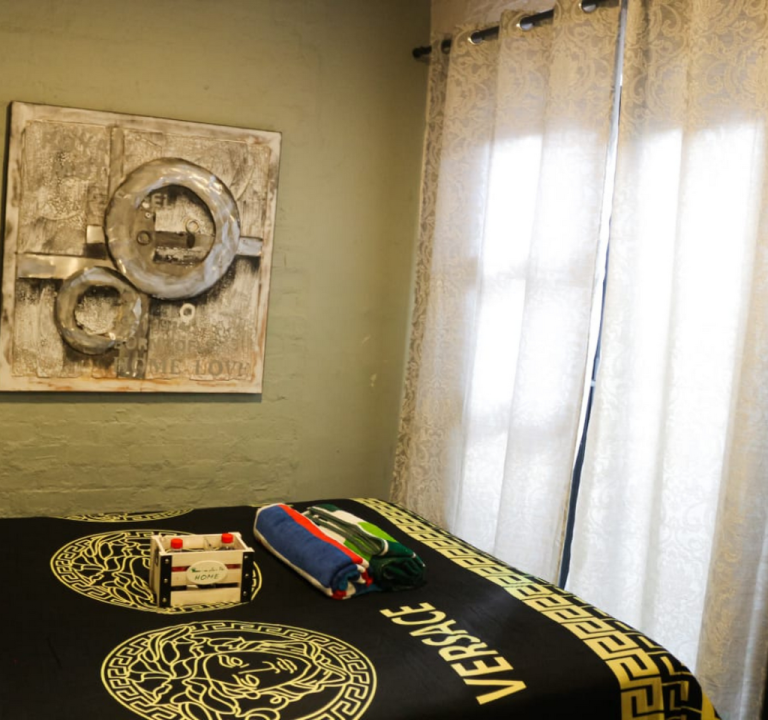
Typical hotel or guesthouse amenities you may encounter include free Wi‑Fi, on-site dining or continental breakfasts, secure parking, 24-hour reception, and in-room conveniences such as tea and coffee facilities, air conditioning, and workspace areas. Many places offer curated recommendations for local experiences, from guided neighbourhood walks to rooftop sundowners and artisan markets. If you’re seeking a specific atmosphere—industrial chic in a revitalised precinct, or a cosy, classic boarding-house vibe—booking in advance with clear cancellation terms helps secure the best option for your dates.
Transport within Johannesburg is well supported by a mix of modes. The Gautrain provides fast rail links to and from the airport and surrounding cities, while rideshare apps and local taxis cover city streets. Within central areas, walking is feasible for exploring artistic corridors and dining precincts, though others may benefit from a short drive or ride to reach larger attractions or green spaces. It’s worth checking if your accommodation offers a shuttle service or recommendations for reliable, vetted drivers.
The best time to plan a stay in Johannesburg depends on your priorities. The city enjoys mild springs and warm summers, with a peak travel season around the milder months of September to November and February to April. If you’re drawn to outdoor sights and markets, these shoulder seasons offer pleasant weather and quieter streets. If you’re visiting for cultural events or festivals, it’s wise to align your dates with the local calendar and book well in advance, particularly in peak holiday periods.
When you arrive, practical planning can make a big difference. Bring comfortable walking shoes for city strolls, and pack layers, since indoor venues (and some outdoor spaces) can be air‑conditioned or breezy. For security, carry a small amount of local currency and a card for card payments, as some smaller venues may not accept all cards. Plug types in South Africa are Type M, but many hotels provide universal adaptors; you may want to check in advance if you rely on specific charging devices. If you’re staying in a historic or quiet residential area, be mindful of parking regulations and gate access times at your property.
Attractions and experiences in Johannesburg are diverse yet are best experienced with a relaxed itinerary. Within the city core you’ll find museums and cultural centres that illuminate South Africa’s past and present. Neighbourhoods such as Maboneng and Braamfontein offer walks through creative hubs, street art, and vibrant café scenes. If you’re curious about township history and wider social stories, guided tours to places like Soweto can provide insightful perspectives, while parks and botanical spaces offer a break from the urban pace. For dining, Johannesburg’s restaurant scene ranges from casual bistros to sophisticated eateries, with menus influenced by local ingredients and global techniques. Many visitors also enjoy markets and pop-ups where crafts, fresh produce and street food meet in friendly, social settings.
As a practical option, you might consider staying at Grand Station Hotel in Jeppestown, a convenient base that places you within reach of central sights while giving you a sense of Johannesburg’s historic railway heritage. It can serve as a straightforward home‑base from which to explore the surrounding districts and then return to a comfortable room after a day of discoveries.
To help you plan, here are key aspects to weigh when booking:
- Proximity to the places you intend to visit (museums, markets, business districts, or entertainment precincts).
- Availability of reliable Wi‑Fi, a good air-conditioning system, and on-site dining or easy access to eateries.
- Safety features such as secure entrances, 24‑hour reception, and proximity to well‑lit streets.
- Transport options, including parking provisions and access to public transport hubs or major roads.
- Flexibility of cancellation policy and any inclusions such as breakfast or airport transfers.
Johannesburg is a city of contrasts and storytelling, offering a broad spectrum of accommodation styles and experiences. With thoughtful planning—choosing the right neighbourhood, understanding transport options, and signing up for a few memorable local experiences—you can enjoy a stay that feels both energetic and comfortable. Whether your focus is culture, cuisine, or simply soaking up the city’s unique atmosphere, Johannesburg rewards thoughtful travellers with a dynamic urban experience.