Johannesburg, Gauteng: Where to stay, what to see, and how to plan a great visit
Johannesburg offers a dynamic mix of modern boutique stays, generous lodges, and comfortable guesthouses that suit a range of budgets and travel styles. Whether you prefer a quiet neighbourhood with easy access to museums, or a lively precinct with cafés, street art and markets, the city has accommodation choices built to make your stay convenient and enjoyable. When planning a visit, think about what you want to do, how you will get around, and which parts of the city fit your pace and interests.
Many visitors choose to base themselves in a few well-connected areas. Sandton often provides a polished, cosmopolitan base with good transport links, shopping options, and bedtime security. Rosebank is popular for easy access to museums and galleries, plus dining and markets. Braamfontein and the Maboneng Precinct offer a more hip, urban vibe with eateries, art spaces, and a short hop to central Johannesburg. For those seeking history and culture in a compact area, central districts around the city centre provide museums, historic sites, and practical transport connections. If you prefer a more suburban feel with parks and leafy streets, there are lodge-style properties and guesthouses in quieter neighbourhoods a short drive from central attractions.
When you book, consider a few practical points to make the most of your stay. Look for properties that offer secure parking or easy access to public transport. Check if your accommodation provides a continental breakfast or a kitchenette, especially if you plan long days of sightseeing. Free or paid Wi‑Fi is useful for planning your day, and air conditioning or heating can make a difference across seasons. Some lodges and guesthouses feature courtyards, pools, or communal spaces that encourage a relaxed pace after busy days in the city.
Typical amenities across well-reviewed Johannesburg stays include comfortable beds, clean en-suite bathrooms, television, tea and coffee facilities, and reliable housekeeping. Boutique stays and lodges often emphasise personalised service and thoughtful touches, such as curated local recommendations, maps, and assistance with travel planning. If you’re travelling with family or a group, look for larger rooms, apartment-style layouts, or multiple bedrooms in a single unit. Accessibility features may be important for some travellers, so it’s worth checking whether lifts, ramps or ground-floor options are available if needed.
Transport in Johannesburg is varied and efficient if planned ahead. The Gautrain offers fast rail connections between central Johannesburg, Sandton, and the airport, which can cut travel times significantly. For most city areas, Uber, Bolt or traditional taxi services are common choices. If you’re staying at a lodge or guesthouse, many properties are able to organise transfers or offer advice on trusted local drivers. If you’re hiring a car, consider parking arrangements and the safety of your vehicle, particularly in busier parts of the city and after dark.
The best time to visit Johannesburg depends on your priorities. The city's winter months (May to August) are dry and mild, making sightseeing comfortable, though evenings can be cool, so pack a light jacket. The summer season (October to April) brings warmer days and afternoon showers, which is ideal for outdoor parks and gardens but can mean higher humidity. December through February is typically bustling with events and markets, but be prepared for higher accommodation rates around peak holiday periods. Weekdays can be quieter than weekends, especially in central districts, which may help you navigate attractions with less crowding.
When planning an itinerary, balance must-see highlights with time to wander neighbourhoods, enjoy a coffee at a local cafe, and browse markets or craft stalls. Major cultural institutions, such as museums and galleries, provide context for the city’s history and contemporary life. South Africa’s lively food scene is a major draw, with a spectrum of eateries ranging from casual bistros to refined restaurants. In addition to dining out, you can enjoy street-food-inspired snacks and markets that showcase local ingredients and flavours. For outside-the-city experiences, a day trip to nearby parks, nature reserves, or nearby towns offers a broader view of Gauteng’s landscapes and wildlife options.
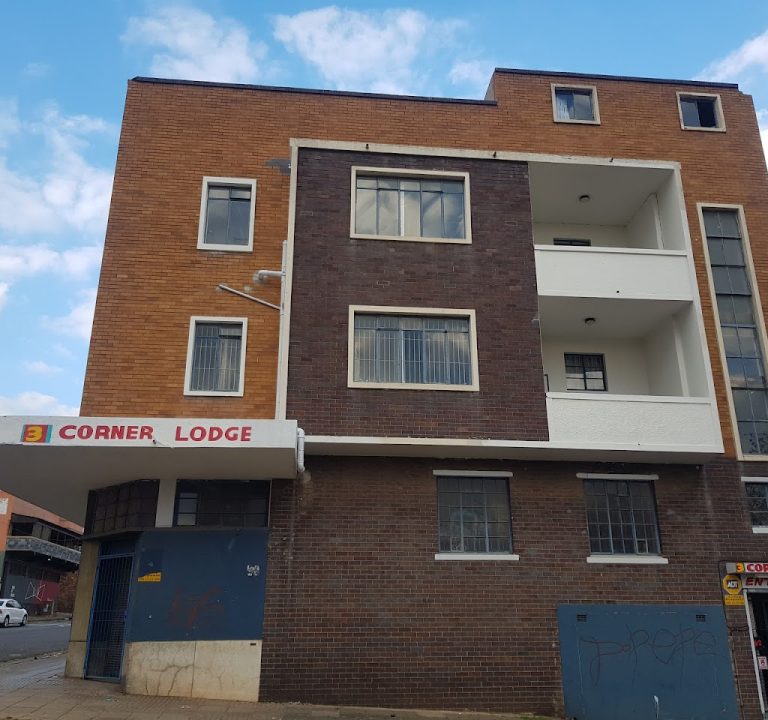
Sample accommodation options to consider include lodges, boutique guesthouses, and serviced apartments. A lodge such as Zothani Lodge offers a more intimate stay with a focus on comfort and personalised service, often set within tranquil surroundings that provide a restful contrast to a busy day of sightseeing. When evaluating a stay, ask about staffing hours, accessibility, and nearby attractions as part of your planning process. Don’t forget to review cancellation policies and any minimum-stay requirements, which can vary between properties and seasons.
Example planning tips for a smooth trip:
- Map your must-see attractions and group them by neighbourhood to minimise travel time.
- Check transportation options from your base to each site, including public transit timetables or transfer services offered by the property.
- Book accommodation with flexible terms if your plans may shift, and be aware of seasonal trends in pricing and availability.
- Choose properties that prioritise safety, with well-lit entrances and secure access.
- Pack for variable weather, especially if visiting in transitional seasons, and keep a light jacket for cooler evenings.
Johannesburg is a gateway to Gauteng’s wealth of experiences, from art-filled streets and historic insights to parks, markets, and vibrant dining scenes. By selecting a well-situated base, planning travel times, and balancing indoor and outdoor moments, you can enjoy a stay that reflects the city’s energy and hospitality. For accommodation, consider a lodge or guesthouse with personal service, or a contemporary apartment with easy access to transport links, and you’ll be well-placed to explore Johannesburg’s many attractions with ease.