Johannesburg: where to stay and how to make the most of your visit
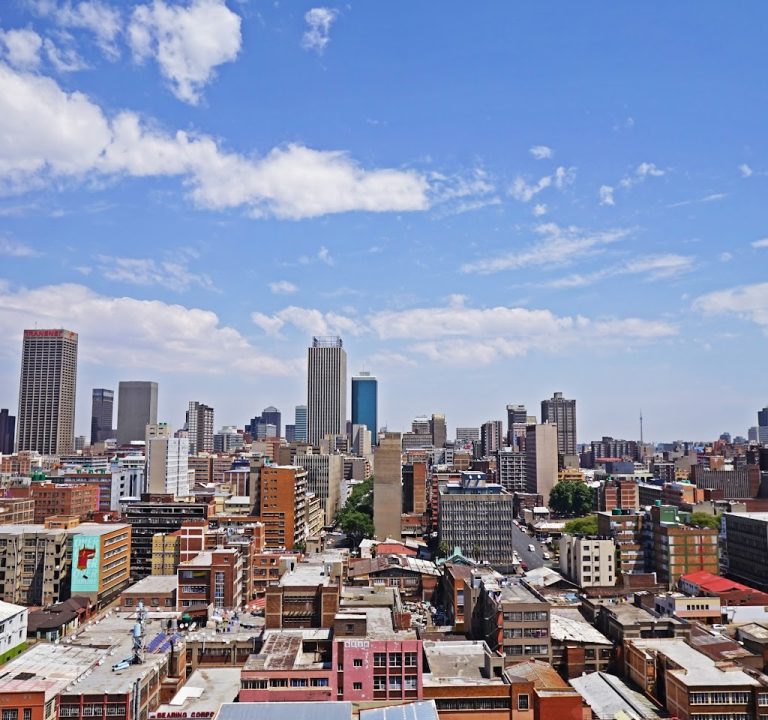
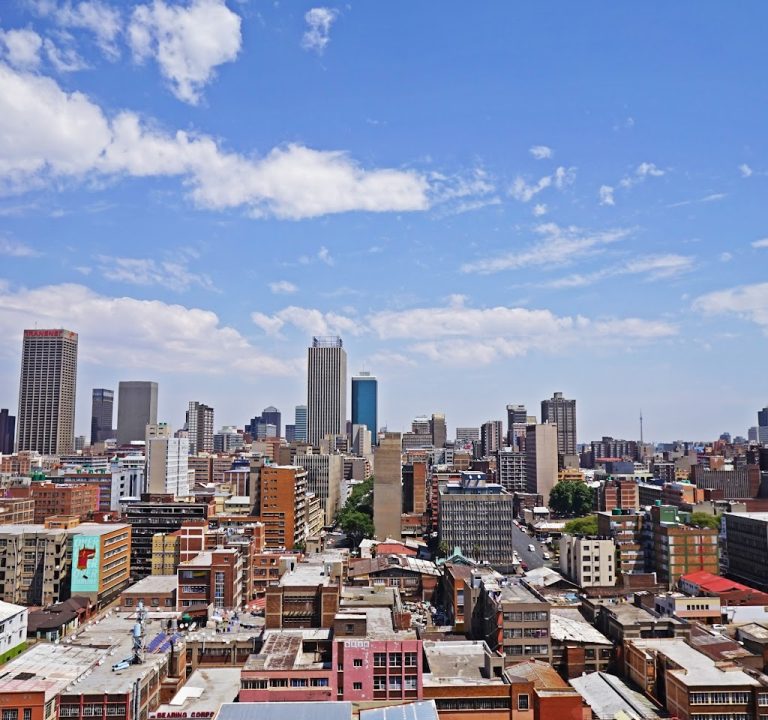
Johannesburg, or Jo’burg, offers a vibrant mix of historic neighbourhoods, modern hotels and welcoming guesthouses, all set against a backdrop of lively dining, culture and city lights. When planning a stay in Gauteng’s largest city, it helps to think about neighbourhoods that match your interests and the pace you want for your trip. From leafy northern suburbs with boutique stays to bustling city centre options close to museums and markets, there is a range of accommodation to suit most budgets and travel styles.
What to look for when booking can make a big difference to your experience. Consider: the location relative to the activities you have in mind, access to reliable transport, and the security provisions of the property. Look for clear, up‑front information on entry arrangements, safe parking if you’re driving, and staff at reception who can assist with directions and local tips. Transparent cancellation policies and guest reviews are invaluable, especially if you’re travelling outside peak seasons or for a short city break.
Typical amenities you might encounter include free Wi‑Fi, 24‑hour reception or staffed front desk, breakfast options, laundry facilities, and leisure spaces such as lounges or rooftop terraces. Some properties offer curated experiences or guided city walks, which can add value to your stay. If you’re planning a longer visit, a kitchenette or self‑catering space can be a practical perk, while secure parking or easy access to public transport is a major convenience in a busy urban area.
Johannesburg is well connected by a network of taxis and ride‑hailing services, with the Gautrain and local bus routes offering alternatives to driving. In many areas, walking is feasible during daylight hours, but as with any big city, it’s wise to stay aware of your surroundings, plan routes in advance and store important information where you can access it easily. If you are renting a car, check for parking arrangements and any height restrictions at your accommodation, especially in older streets and guesthouse locations.
The best time to visit Johannesburg depends on what you want from the trip. The city experiences a dry season in the winter months (roughly May to September) with sunny days and cooler nights, which can be ideal for exploring outdoors and visiting parks or markets. The summer months bring warmer temperatures and regular afternoon showers; this can be perfect for enjoying indoor attractions or a spa day, followed by evenings in lively venues. If you’re chasing events and colour, align your dates with seasonal markets, exhibitions or cultural happenings that are common in the city throughout the year.
When choosing an area to stay, these broad considerations can help you narrow down your options:
- City centre and adjacent districts for proximity to museums, galleries, markets and nightlife, often with mid‑range and boutique hotel options.
- Sandton and Rosebank for a polished feel, shopping, restaurants and good transport links to the northern suburbs and OR Tambo International Airport.
- Melville, Maboneng and Braamfontein for a lively, artsy atmosphere with homely guesthouses, hostels and cafés—great for younger travellers or those seeking a more local vibe.
- Hyde Park and surrounding suburbs for leafy streets, a more relaxed pace and higher‑end stays with easy freeway access.
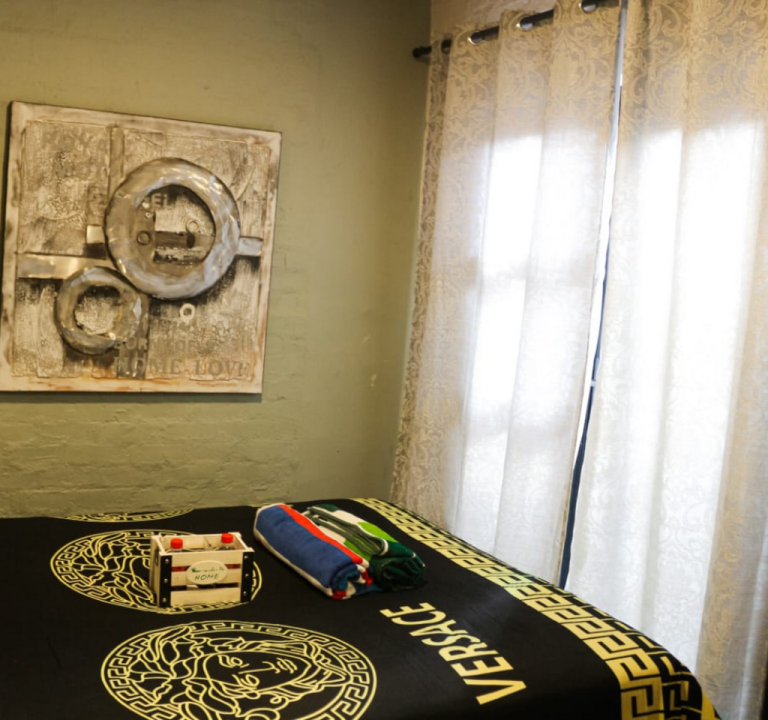
A stay at a property such as CURIOCITY Backpackers Johannesburg can offer a sociable, budget‑friendly option with shared spaces and a central location that makes it easy to glimpse daily life in the city. For those seeking more traditional comfort, a boutique guesthouse or a small hotel in a well‑connected neighbourhood can combine character with reliable service. For families or longer visits, consider suites or serviced apartments with self‑catering facilities and laundry amenities to keep daily routines simple.
When planning an itinerary, pairing accommodation with nearby attractions—such as cultural centres, markets, historic sites and nature reserves—helps you make the most of your time. In general terms, expect to dedicate mornings to museums and galleries, afternoons to markets or parks, and evenings to dining out at a range of restaurants offering everything from modern South African cuisine to international flavours. If you enjoy guided experiences, many properties and local operators offer curated walks, food tours or fashion and design routes that highlight the city’s diverse neighbourhoods and history.
Practical tips to consider before booking include: checking room configurations to suit travellers in your party, noting accessibility features if needed, and reading recent guest reviews about safety and cleanliness. If you prefer a quieter stay, look for properties set back from main thoroughfares or in calmer pockets of larger districts. For a more sociable trip, opt for places with communal areas and owner or staff who can offer personalised recommendations and introductions to local venues.
Should your plans include day trips beyond the city, choose accommodation with straightforward access to major transport hubs, such as metro routes or airport connections, to streamline travel. In all cases, keep a practical, flexible mindset—Johannesburg rewards curiosity and a well‑paced schedule, balanced with restful downtime between sights and meals. By selecting a thoughtfully located base and prioritising practical comforts, you can enjoy a rewarding stay in Gauteng’s dynamic urban centre.