Where to Stay and What to Do in Johannesburg, Gauteng
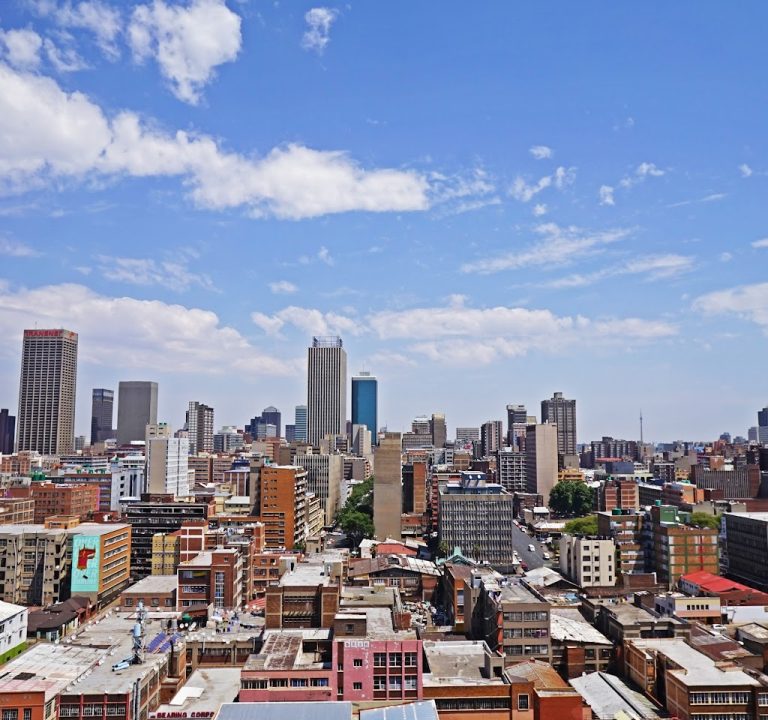
Johannesburg, the vibrant heart of Gauteng, offers a wide range of accommodation from stylish B&Bs and guesthouses to self-catering apartments and boutique hotels. When planning a stay, think about what you want from the neighbourhood, how close you need to be to transport links, and what pace of life you prefer. The city’s diverse districts each have their own character, from buzzy urban hubs to leafy residential pockets, making it possible to tailor a trip to your interests.
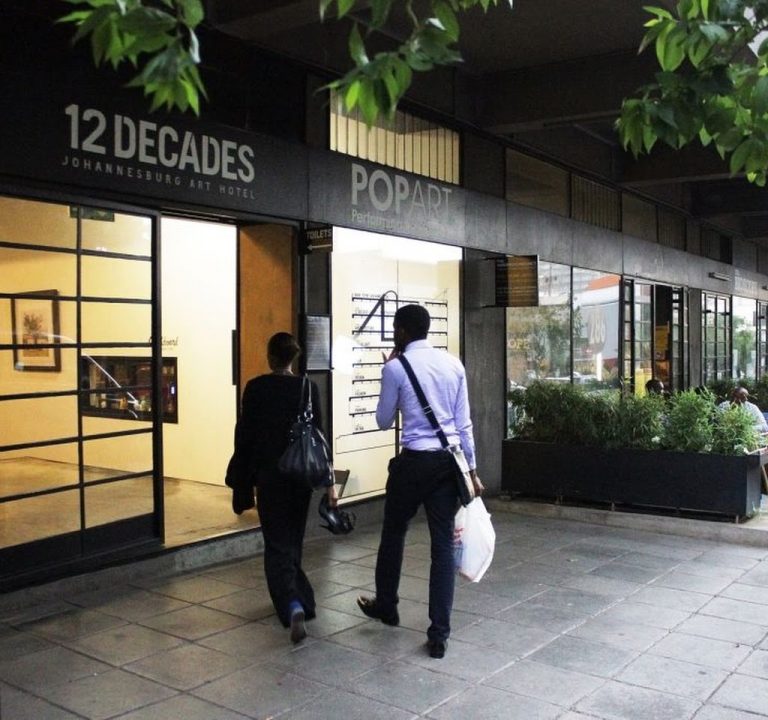
Areas to consider include central districts with easy access to museums, theatres and dining, as well as design-minded precincts that blend modern comforts with local flavour. For visitors seeking a lively, walkable experience, precincts with pedestrian-friendly streets, heritage buildings, and weekend markets can be particularly rewarding. If you prefer a quieter base with quick commutes to business districts or natural escape routes, suburban pockets and self-catering options can offer a calm anchor to your itinerary.
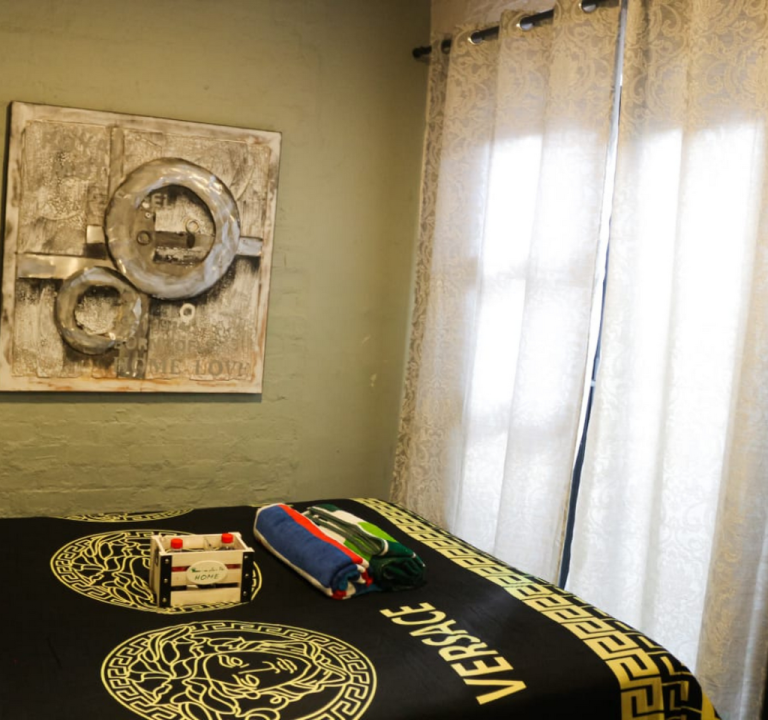
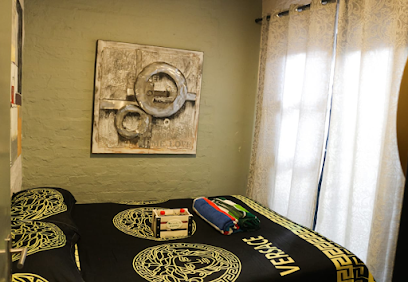
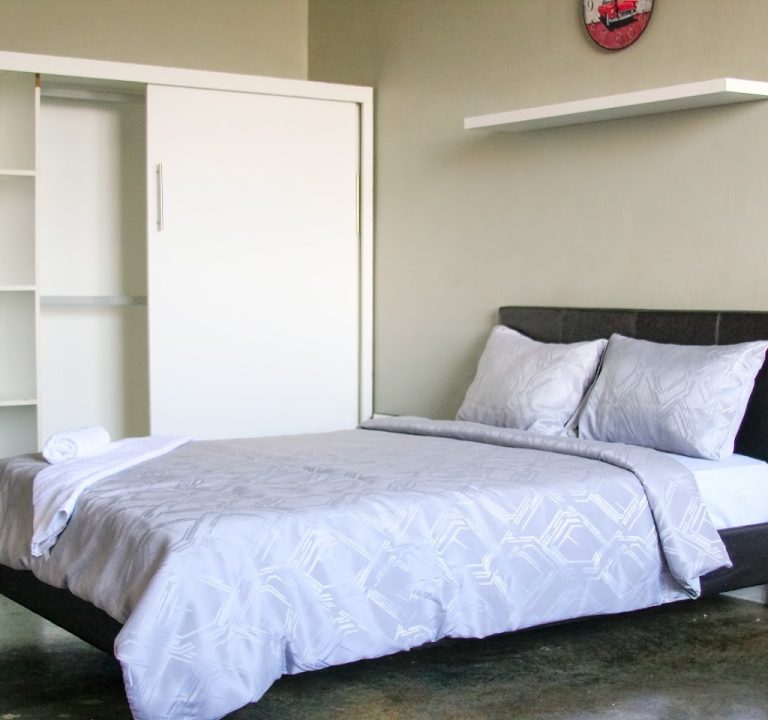
Accommodation types vary, but many travellers find self-catering options convenient for longer stays or for families. A self-catering B&B such as Maboneng B&B (self-catering) can provide a comfortable home-from-home experience with kitchen facilities, a personalised touch, and access to communal spaces. When selecting a property, consider the following typical amenities: reliable Wi‑Fi, kitchen/kitchenette or access to a shared kitchen, secure parking or easy street parking, air conditioning or heating for Johannesburg’s varied climate, and flexible check-in arrangements. Concrete details about room sizes, cleanliness, and host availability are worth checking in advance through recent guest reviews.
Booking tips to help you secure a good match include setting a realistic budget per night and comparing properties by location first, then by amenities. Look for photos that show the living spaces as they will be used (kitchen, bathroom, and any balconies or outdoor areas). Read guest reviews with an eye for consistency—someone mentioning noisy street noise repeatedly or a lack of hot water is a red flag to factor in. If you have mobility requirements or family needs, filter for accessible rooms and child-friendly spaces. Don’t hesitate to contact hosts with specific questions about nearby amenities, transport options, and parking arrangements before you commit.
Transport in Johannesburg is well served by a combination of taxis, ride-hailing services, and rail. The city centre and northern suburbs are connected by major roads and public transport corridors, while some precincts offer secure on-site parking. If you plan to use public transport, check proximity to bus routes or rail stations, and consider a stay near a Gautrain link for easy day trips to Pretoria or the OR Tambo International Airport area. For shorter hops, rideshare apps and local taxis are commonly used and generally straightforward to book from most accommodation bases.
Best time to visit Johannesburg depends on your priorities. The city enjoys a mild winter and warm summers. Spring and autumn offer comfortable touring weather, with pleasant daytime temperatures and fewer heat-driven crowds. If you’re exploring outdoor markets, gardens, or nature reserves, consider mornings for cooler temperatures and lighter traffic, followed by relaxed afternoons in cafes or wine bars. The city’s cultural calendar can influence crowds and prices, so it’s worth comparing weekday and weekend rates when you book.
Practical tips to help you plan a smooth stay:
- Check neighbourhood safety and access to late-night dining or entertainment if you’ll be out after dark.
- Look for properties with robust security features, well-lit streets nearby, and clear instructions for access keys or entry codes.
- Ask about late check-in possibilities and whether self-check-in is offered for flexibility.
- Confirm whether the accommodation provides basic kitchen essentials (tea, coffee, cooking staples) and whether a supermarket or fresh produce in walking distance is convenient.
- Plan day trips to nearby attractions or nature reserves, and build in time to explore local eateries and markets without rushing.
When it comes to attractions and experiences, Johannesburg offers a broad canvas. Visitors typically combine an exploration of cultural and historical sites with a taste of the city’s dynamic food scene. Expect insightful museums, galleries, and urban regeneration projects that showcase both the country’s rich history and contemporary creativity. Dining in Johannesburg ranges from casual eateries serving comforting favourites to modern venues focused on seasonal, locally sourced ingredients. Rather than relying on a single list of names, look for neighbourhoods where a cluster of eateries, cafes, and bars creates a convenient, walkable evening itinerary.
For longer stays or weekend breaks, consider a balanced itinerary that includes mornings in leafy suburbs or cultural hubs, afternoons exploring markets or gardens, and evenings in lively downtown or precincts known for their restaurants and nightlife. If you’re drawn to a particular style of accommodation, such as a self-catering base like Maboneng B&B, use that as a convenient home base while you venture out to discover the city’s varied landscapes, from urban terraces to greenspaces on the edge of the Highveld plateau.
To help you start planning, you can browse general travel resources and tourism pages for Johannesburg and Gauteng, and check the listings of reputable accommodation providers. A well-chosen base, paired with flexible transport options and a clear plan for the day, can make a short stay feel relaxed and rewarding. For further inspiration and practical resources, you may wish to visit official tourism sites or trusted travel guides that offer practical tips, area-by-area highlights, and dining ideas, all of which can help you tailor your Johannesburg stay to your interests.