Cape Town: Where to Stay and How to Plan Your Visit
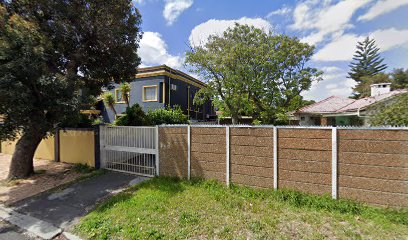
Cape Town is a city of contrasting voices and landscapes, from dramatic coastal cliffs to leafy suburbs and cosmopolitan dining. For many travellers, choosing the right base is as important as the sights themselves. Whether you favour a boutique lodge, a contemporary apartment, or a family-run guesthouse, there are options to suit every style and budget. A themed stay such as the Golden Feathers Lodge, a traditional lodge experience, can offer a comfortable home-from-home with a sense of arrival and friendly service, often in quieter neighbourhoods that still give easy access to the city’s highlights.
Areas to consider when planning your stay include:
- Atlantic Seaboard (including Camps Bay and Sea Point) for dramatic sea views, long beaches and a promenade vibe.
- City Bowl and the central business district for easy access to attractions, eateries, and nightlife, with a mix of modern hotels and cosy BnBs.
- Constantia and the Southern Suburbs for tranquil scenery, green spaces and a slower pace, great for families and longer stays.
- Lodge-style stays in the Constantia Valley or nearby wine routes offer a hybrid of vineyard tranquillity with city-access on demand.
- Green Point and De Waterkant for convenient transport links, vibrant dining scenes, and walkable routes to the waterfront.
When booking, it helps to consider what you’ll be prioritising. If views and proximity to the beach are essential, you’ll likely favour an accommodation along the Atlantic Seaboard. If you plan to explore the city on foot and use public transport, a central spot near the City Bowl or V&A Waterfront can cut down on transfer times. For a more relaxed holiday with day trips to winelands or nature reserves, look for lodges or guesthouses in quieter suburbs with parking options.
Typical amenities in Cape Town’s accommodation range from the practical to the indulgent. Look out for en-suite bathrooms, reliable Wi-Fi, easy access to public transport or parking, a well-equipped kitchen or tea and coffee provisions, and on-site facilities such as a pool, gym, or a cosy lounge. Property descriptions often emphasise a warm, local welcome, with hosts who can help tailor day trips or restaurant recommendations. If you prefer self-catering, many apartments and guesthouses provide fully equipped kitchens, making it simple to dine in after a day of sightseeing.
Transport in and around Cape Town is straightforward but can be approached differently depending on your plans. The city has a growing network of buses and trains, but many travellers opt for car hire or rideshare apps to reach coastal viewpoints, Table Mountain, and the surrounding winelands with flexibility. If you stay closer to the city centre, walking and short rides are practical. For visits to the Cape Peninsula and vineyards, a day trip by car or organised tour is often the easiest way to cover multiple stops with comfort.
The best time to visit Cape Town depends on what you’re chasing. Summer (December to February) brings long days on the beach and lively outdoor scenes, but it is also peak season, so expect larger crowds. Shoulder seasons—spring (September to November) and autumn (March to May)—offer milder weather, with fewer crowds and comfortable conditions for hiking up Table Mountain or exploring the botanical gardens. Winter (June to August) is cooler and wetter, yet it can be a budget-friendly window for those who don’t mind the occasional shower and are keen on city culture and indoor attractions.
Practical tips for a smooth stay:
- Research the exact neighbourhood in relation to your planned activities. Some areas are more suited to families, others to nightlife seekers or food lovers.
- Check the security features of the property, especially for ground-floor units or locations away from main routes, and consider a property with secure parking if you’re hiring a car.
- Ask hosts or reception for a local map and insider tips on safe, scenic routes for walks and day trips.
- When packing, prepare for variable weather: mornings and evenings can be cool even in summer, with stronger winds near the coast.
- Book visits to popular viewpoints or attractions in advance where possible, to avoid lengthy queues, especially in peak season.
As you plan your days, you’ll encounter a broad mix of experiences. In general terms, expect world-class dining across a spectrum from casual markets and neighbourhood cafés to stylish restaurants and fine eateries. For nature and culture, Cape Town offers remarkable hiking routes, coastal drives, and installations that showcase the city’s diverse heritage and landscapes. For a memorable balance of rest and activity, combine a couple of days in a well-positioned lodge or guesthouse with day trips to the surrounding regions, while keeping one or two evenings free to explore the city’s vibrant food and music scenes.
For more inspiration and practical planning, you can explore official tourism resources and reputable travel guides that provide updated advice on routes, transport options and seasonal highlights. A well-chosen base in Cape Town can set the tone for a rich and relaxing stay, letting you focus on the scenery, the restaurants, and the welcome of the Western Cape.