Accommodating Cape Town: Where to Stay and What to Explore
Cape Town offers a rich tapestry of places to stay, from self‑catering lodges and boutique guesthouses to family‑run BnBs and stylish apartments. When planning a visit, think about which neighbourhood aligns with your interests, how you’ll get around, and what kind of pace you want from your stay. In addition to comfortable overnight options, the city provides a broad spectrum of experiences, from scenic viewpoints to vibrant dining and cultural encounters.
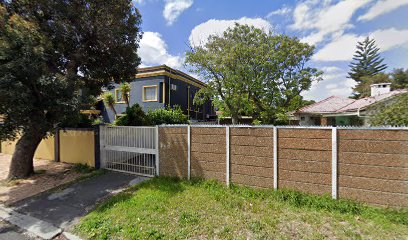
Where to stay matters as much as what you do. The Atlantic Seaboard, including areas such as Camps Bay and Clifton, is prized for its beaches, sunsets, and stunning ocean views. The City Bowl and Green Point put you within easy reach of museums, markets, and the central business district, with convenient access to public transport and a walkable harbourfront. Southern suburbs and Constantia offer leafy, quieter pockets, often with larger self‑catering spaces and close proximity to wine estates and scenic drives. If your interest lies in nature and outdoor activities, consider staying near Kalk Bay, Muizenberg, or the Constantia Valley for shorter drives to hiking trails and coastal scenery. For longer stays, a self‑catering lodge such as The Kromboom Lodge can provide a home‑from‑home base with flexible meal options and more space for families or groups.
What to look for when booking is shaped by your plans. Priorities often include size and layout (number of bedrooms, kitchen facilities, and whether you need a separate lounge or outdoor space), access to parking, and the availability of self‑catering options or daily housekeeping. Consider the property’s proximity to MyCiTi bus routes or major roads if you’ll rely on public transport or a hire car. Look for reliable Wi‑Fi if you need to work remotely or stream while on holiday, and check for features such as secure entry, climate control, and well‑equipped kitchens. If you’re travelling with little ones or guests with mobility considerations, read the listing carefully for elevator access, ground‑floor options, and safety features. In the self‑catering segment, a well‑planned kitchen with essential gadgets and cookware can save you money and add comfort to longer stays.
Typical amenities you might encounter include free Wi‑Fi, off‑street parking, fully equipped kitchens or kitchenettes, laundry facilities, air conditioning or ceiling fans, and outdoor seating or braai (barbecue) areas. Many properties offer arrival arrangements such as self‑check‑in via lock boxes or receptionist hours, so you can tailor your check‑in to your travel schedule. For those who enjoy shared spaces, some BnBs provide guest lounges or libraries, while boutique lodges may offer porches or terraces with views, perfect for early coffees or sunset drinks. If you’re booking a family‑friendly option, a private garden, patio with safe play areas, and proximity to child‑friendly beaches can make a big difference in your planning.
- Transport: assess proximity to public transport, the availability of parking, and the ease of access to popular routes to Table Mountain, the V&A Waterfront, and the Constantia wine routes.
- Best time to visit: Cape Town enjoys a Mediterranean climate. Late spring (September to November) and autumn (March to May) typically offer pleasant weather, blooming flora, and fewer crowds than peak summer. The summer peak runs from December to February, when beaches are busy and hotel rates can rise.
- Practical tips: book well in advance for popular periods, check cancellation terms, and confirm what is included in the price (linens, towels, utilities, and cleaning frequency).
Beyond your lodging, Cape Town’s attractions and dining scene provide a well‑rounded itinerary. You can expect iconic winter and summer viewpoints, notably from Table Mountain and the surrounding peaks, with well‑marked paths for outdoor exploration. The city’s harbourfront offers walks, markets, and cultural spaces, while nearby nature reserves, parks, and botanical gardens showcase the region’s remarkable flora. A day trip to the Cape Peninsula or the Cape Point reserve makes for memorable coastal scenery, and wine lovers can enjoy easy drives to nearby estates that produce acclaimed vintages. For diners, Cape Town’s restaurant landscape ranges from casual eateries offering South African favourites to refined establishments emphasising seasonal ingredients. Markets, street food zones, and harbourfront dining provide opportunities to sample local flavours in relaxed settings.
When planning activities, it’s prudent to check opening hours, especially for popular viewpoints and seasonal attractions. Condider booking guided tours to gain context about the city’s history, natural landmarks, and neighbourhoods. For stays that emphasise convenience and a home‑base approach, self‑catering options like The Kromboom Lodge can offer flexible meal planning alongside comfortable living spaces, helping you tailor mornings and evenings to your own rhythm.
Ultimately, a well‑balanced Cape Town stay blends a comfortable base with varied experiences—striking views, easy access to transport, and a dining scene that reflects the region’s diversity. Whether you’re drawn to sunlit beaches, verdant gardens, or spirited markets, a thoughtfully chosen accommodation will support a relaxed pace and enable you to make the most of every day in one of South Africa’s most dynamic cities. For more information on planning your visit, you can explore official tourism resources and reputable travel guides to refine your itinerary and booking options.