Accommodation and Experiences in Cape Town, Western Cape
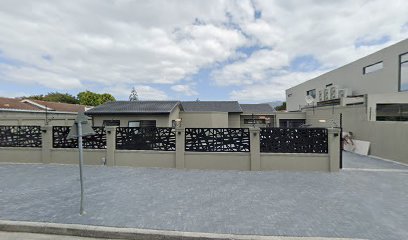
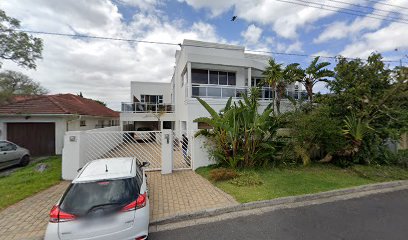
Cape Town is a city of contrasts, where dramatic coastal scenery meets vibrant urban life. When planning a stay, consider how you want to structure your visit: a beach-forward break along the Atlantic Seaboard, a city-centre focus for easy access to museums and restaurants, or a more relaxed escape in the winelands nearby. Ringwood Villa Apartment, as a lodging option, exemplifies how a well-situated base can blend comforts with access to the city’s key sights and experiences.
A balanced stay often starts with choosing a neighbourhood. The City Bowl and the historic inner city put you within walking distance of galleries, cafés, markets and the harbour, with quick access to cable-car trips up Table Mountain. Green Point and the V&A Waterfront area offer a maritime atmosphere, good public transport links, and a range of family-friendly activities. For sun and scenery, the Atlantic Seaboard — including Camps Bay and Clifton — provides sweeping ocean views and easy access to beaches. If a quieter pace and verdant surroundings appeal, Constantia and neighbouring suburbs are ideal for a restful stay with a focus on wine, forests, and low-key dining.
Typical accommodation options in Cape Town span boutique B&Bs, guesthouses, self-catering flats, lodges, and hotels of varying styles. When booking, look for clarity on accessibility, parking, and security, as well as the daily housekeeping schedule and whether household amenities (kitchenette or full kitchen, laundry facilities, seating areas) are included. If you have specific needs — for example, space for a small family, a work desk, or a private terrace — check the listing carefully. Ringwood Villa Apartment, for instance, can offer a private, well-equipped living space that helps visitors feel at home while staying in the city.
Essential amenities to prioritise include reliable air conditioning or heating, clean fresh linen, and a well-equipped kitchen or kitchenette if you plan to self-cater. A comfortable bed, adequate storage, and a good Wi-Fi connection are worth confirming, especially for longer trips. Note whether the property provides a security deposit, on-site parking, or easy access to public transport routes. For families or groups, a living room with space to relax together can be preferable to a compact studio. If you plan to work during part of your trip, seek accommodation with a quiet workspace and strong mobile coverage.
Transport around Cape Town is straightforward but varies by area. The MyCiTi bus network offers city-wide coverage and some routes connect to major attractions. Uber and other ride-hailing services are widely used, while car hire gives flexibility for day trips to the Cape Winelands or penguin colonies along the coast. If you intend to visit Table Mountain, plan for morning or late afternoon visits to avoid peak crowds, and check the weather forecast for wind and visibility. A car is convenient for exploring beyond the city, but within central areas you can rely on walking and short rides for most daily plans.
Best time to visit Cape Town depends on what you want from the trip. The summer months (roughly November to February) are popular for beaches, outdoor dining, and longer daylight hours. Spring (September and October) offers moderate temperatures and flowering landscapes, while autumn can bring calmer streets and fewer crowds. Winter (June to August) is cooler and wetter, yet the city feels atmospheric with cosy cafés and nearby restaurant openings. Pack layers for changeable weather, and bring sun protection for outdoor activities regardless of season.
When planning your itinerary, combine accommodation with a mix of activities to avoid fatigue. Iconic sights such as the Table Mountain cable car, Robben Island ferry experiences, and apps or guided tours that explain the city’s diverse histories are excellent starting points. For a broader picture of the region, a day trip to the Cape Winelands — including Stellenbosch, Franschhoek, or Paarl — offers scenic drives, wine-tasting, and gourmet dining in the countryside. Coastal experiences may include penguin viewing at Boulders Beach or seal- and penguin-watching along False Bay, depending on the season and accessibility.
Dining in Cape Town ranges from casual to refined. In general terms, look out for restaurants that showcase fresh seafood, Cape Malay flavours, and modern South African cuisine. Many venues prioritise local produce and sustainable sourcing, with menus rotating to reflect seasonal ingredients. When booking, consider nearby alternatives if you wish to explore different areas in a single evening, and note that popular spots may require reservations during peak periods.
Practical tips to make the most of a stay include: booking with flexibility where possible, especially around weather-dependent activities; learning a few local phrases in Afrikaans or Xhosa to friendly effect; and keeping a small travel card or pass for transport if you plan multiple trips on MyCiTi or other networks. Always check the latest safety advisories and plan your day with daylight hours in mind, particularly if venturing to more secluded beaches or hills after sunset. For extra inspiration and practical planning, visit official tourism resources such as Cape Town’s tourism site for updates on attractions and experiences.
Whether you are seeking a stylish, self-contained stay or a cosy B&B rooted in local character, Cape Town offers a spectrum of lodging options that can be paired with memorable experiences. For further ideas and current planning tips, explore trusted travel resources and consider how your chosen area will best fit your pace, preferences, and the kind of memories you wish to make during your South African break.