Cape Town accommodation and planning a memorable stay in the Western Cape
Few destinations rival Cape Town for a blend of natural beauty, cosmopolitan charm and easy access to world-class dining and experiences. When choosing where to stay, consider how you want to sequence your days: beach mornings on the Atlantic Seaboard, cable-car dawns up Table Mountain, or leafy strolls through historic districts. Whether you favour boutique lodges, contemporary apartments, or hillside guesthouses, Cape Town offers options to suit every budget and travel style.
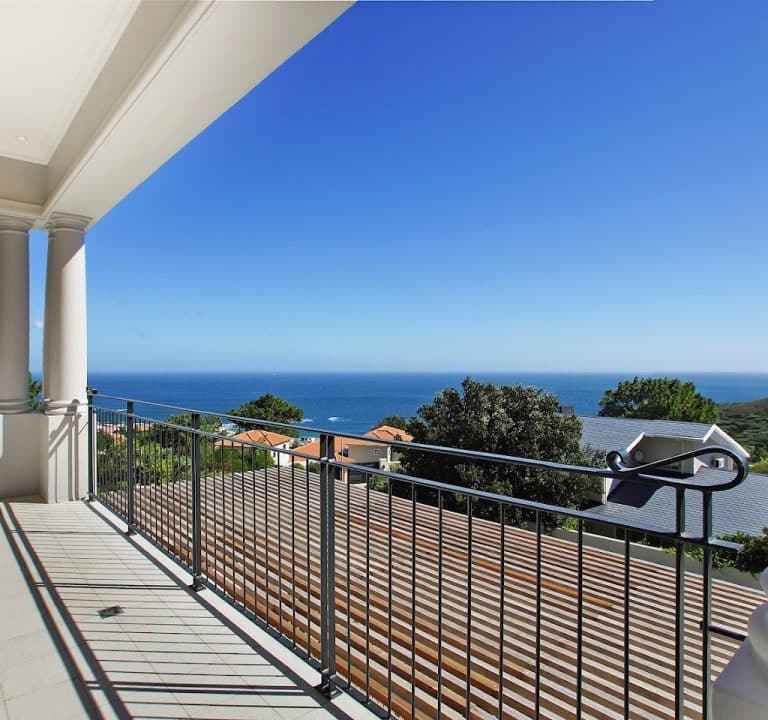
Areas to consider include the City Bowl for a central base with easy access to restaurants, nightlife and museums; the V&A Waterfront precinct for a nautical atmosphere and excellent transport links; Camps Bay and Clifton for sun, sea and scenically dramatic views; Green Point and the Atlantic Seaboard for fashionable leisure and proximity to the coastline; and Constantia Valley for a more relaxed, countryside-inflected stay with access to wine estates and scenic hikes. If you plan a longer holiday, a stay in Simon’s Town or the Cape Winelands region makes it easy to combine coastal days with day trips to the peninsula’s historic townships, nature reserves and historic sites.
When booking, think about what you value most. Proximity to natural attractions can save travel time for early morning runs up Table Mountain or coastal walks at sunset. If you prefer vibrant urban life, a stay near De Waterkant or the inner city makes for lively evenings and convenient access to markets, galleries and cafés. For families or groups, self-catering apartments or lodge-style properties with communal spaces can offer flexibility and better value for longer stays.
Typical amenities across Cape Town’s accommodation spectrum include air conditioning or ceiling fans (important in warm months), reliable Wi‑Fi, in-room safes, parking, and thoughtful extras such as breakfast options, swimming pools, or wellness facilities. Many lodges and boutique hotels offer personalised service, guided experiences, or help with planning day trips. Look for properties that provide clear information on access to transport hubs, whether shuttle services are available, and how excursions can be arranged, from peninsula tours to penguin encounters and wine tastings.
Getting around is straightforward but varies by area. The MyCiTi bus network and rapid transit routes connect major hubs, while Uber and other ride-hailing services offer convenient door-to-door options. If you’re staying near a coast-facing area, a walkability factor can enhance your days, with shaded promenades and beaches a short stroll away. For visits to the Cape Winelands or Robben Island, plan ahead and book tours or transfers in advance, especially in peak seasons.
The best time to visit Cape Town balances pleasant weather with reasonable crowds. December to February is peak summer, offering long days, lighter evenings and sea-friendly conditions, though popular spots can be busier and prices higher. March to May brings softer light and quieter streets, ideal for wine country excursions and city sightseeing. June to August offers cool, windy weather but reveals dramatic natural scenery and fewer crowds in some locations, while spring months from September to November typically deliver moderate temperatures and blooming gardens, including Kirstenbosch’s famed flora displays. If you are particularly sensitive to wind or sea conditions, plan coastal days with flexible arrangements and indoor alternatives on those days.
When exploring attractions and meals, plan a mix of must-see landmarks and more relaxed experiences. Iconic viewpoints overlooking the Atlantic coastline, the fynbos gardens of Table Mountain National Park, and the scenic sunsets from signal points are popular, but equally rewarding are city markets, art galleries and small bistros where you can sample local flavours. For first-time visitors, a guided orientation can help you understand the layout of the city, the best routes to major sights, and the most efficient order to visit natural and historic landmarks while avoiding backtracking.
Food and dining in Cape Town are a highlight in themselves. Across districts you’ll find everything from casual cafés serving traditional breakfasts to refined restaurants highlighting Cape Malay heritage, contemporary fusion cuisine, and seafood caught from nearby waters. Booking ahead is sensible during peak seasons, especially for sunset tables with harbour or mountain views. While price points vary, there are many accessible options that offer excellent value without compromising on quality. For longer stays, look out for residential areas with on-site eateries or nearby markets where local vendors showcase seasonal produce and artisanal goods.
- Research area-based itineraries to minimise daily travel time
- Check property reviews for noise levels, light and air quality, and staff helpfulness
- Confirm transport options, parking, and access to MyCiTi or rail links
- Consider flexible booking policies in case plans change
- Plan a mix of nature days, cultural experiences, and leisure time
For further inspiration and practical planning, consult official tourism resources and travel guides to tailor your itinerary to the season and your interests. Cape Town’s diverse neighbourhoods and surrounding regions offer a responsive backdrop to create a personalised stay—whether you’re wanting restful countryside in Constantia, ocean-front mornings in Camps Bay, or city-centre buzz in the heart of Cape Town. More information and ideas can be found at trusted tourism sites and local accommodation providers’s pages, which often include maps, transport tips and suggested day trips to help you design a balanced and unforgettable visit.