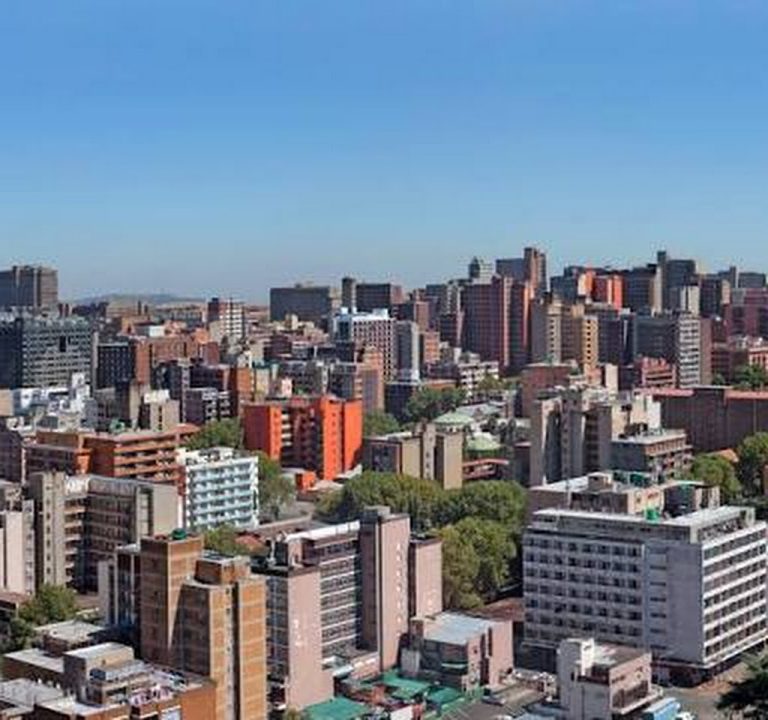
Accommodation and Attractions in Johannesburg, Gauteng: Plan Your Stay
Johannesburg, often described as Africa’s modern frontier city, offers a dynamic mix of urban design, history, and culture. When planning a stay in Gauteng’s largest metropolis, it helps to think of a few key bases and a flexible itinerary. Whether you prefer a boutique guesthouse in a leafy inner-city street, a business-friendly hotel with efficient transit links, or a heritage lodge near the city’s museums, Johannesburg provides options to suit most travellers and budgets.
Areas to consider include the central business district (CBD) for easy access to corporate hubs, markets, and a buzzing nightlife, as well as neighbourhoods such as Sandton for upscale shopping and conference facilities, Rosebank for a village-like feel with vibrant street markets, and Maboneng for artsy lofts and walkable dining experiences. Not far from the centre, Soweto offers a powerful glimpse into South Africa’s recent history and a chance to visit evocative sites with guided tours. When choosing where to stay, weigh proximity to the sights you care about, how you plan to move around, and the overall ambience you want from your trip.
Typical accommodation in Johannesburg ranges from modern hotels and polished business hotels to guesthouses and small boutique properties. Expect well-equipped rooms, reliable Wi‑Fi, air conditioning in hotter months, and options such as on-site restaurants, fitness facilities, and secure parking. In many properties, you’ll also find helpful reception staff who can arrange airport transfers, tours, or restaurant reservations. If you’re travelling with family or a group, look for larger suites, family rooms, or self-contained units with kitchenettes or kitchen facilities.
Practical planning tips for booking include confirming the room type, bed configuration, and whether breakfast is included or available as a paid option. Check what the property considers essential amenities: 24-hour reception, reliable security, and convenient access to public transport or major highways. If you’re travelling by car, ask about parking arrangements (whether it is included in the rate and if there is on-site or secured parking). For business travellers, a desk-friendly workspace, power outlets near the seating area, and a solid Wi-Fi connection are worth confirming in advance.
Transportation in Johannesburg is integral to a smooth stay. The city relies on a combination of taxis, rideshare services, and a growing network of authorised minibus-taxis in some districts. If you’re staying near the CBD or Sandton, you’ll likely favour a property with easy access to major arterials or a metro rail connection. For day trips or exploring less densely served areas, consider a hotel or guesthouse that can arrange hotel-to-destination transfers or guided day tours. A compact, well-planned itinerary will help you maximise your time, especially if you aim to balance business engagements with cultural sites and dining experiences.
The best time to visit Johannesburg is during its dry season, when the weather tends to be more pleasant for outdoor activities and city strolling. Spring and autumn bring mild temperatures and longer daylight hours, ideal for market strolls and architectural tours. The city experiences summer showers and a few thundery afternoons, so packing a light rain jacket can be wise. Winter is generally dry and cool, which can be ideal for exploring museums and indoor attractions without the crowds of peak tourist seasons. Consider your preference for heat, crowds, and outdoor events when planning your stay.
When exploring attractions, plan a mix of cultural, historical, and outdoor experiences. You might spend an afternoon visiting museums and galleries to understand South Africa’s past and present, followed by a township or neighbourhood heritage tour to gain context about urban life and resilience. Parks, gardens, and viewpoints offer generous photo opportunities, while a stroll through a bustling market or a pedestrian-friendly precinct allows you to sample local foods and crafts in a relaxed setting. In terms of dining, Johannesburg’s restaurant scene ranges from contemporary bistros to traditional eateries; many places provide seasonal menus and regional ingredients. General recommendations favour places with a strong sense of place, a comfortable atmosphere, and options for meat, seafood, and vegetarian dishes.
Accommodation examples in Johannesburg include a spectrum of stays—from formally rated hotels to characterful guesthouses with personalised service. If you see a property referenced as a historic or iconic stay, it may offer special architectural features or a sense of the city’s past, paired with modern conveniences. For guests prioritising comfort and predictability, a mid-range hotel near a transit hub can be a sound choice, while travellers seeking immersion might prefer a boutique guesthouse in a vibrant neighbourhood with easy access to cafes, markets, and galleries.
Practical tips for a successful visit:
- Research the exact location and transport links to your planned activities and day trips.
- Confirm breakfast and dining arrangements, as many properties offer varied options for self-catering versus full-service meals.
- Ask about additional services such as guided tours, airport transfers, or personalised recommendations.
- Check security and lighting at the property, especially if staying in historic or less central districts.
- Use official tourism websites or reputable travel guides to verify what attractions or neighbourhoods align with your interests.
For confirmation of booking details and to discover places that suit your travel style, you may wish to explore a range of options, including centrally located properties and those in more residential, leafy zones that provide a quieter base after busy days of sightseeing. A stay in Johannesburg can be as fast-paced or as relaxed as you choose, with easy access to a wealth of experiences and a hospitality scene that reflects the city’s energy and diversity. If you are considering a particular historic property such as the Federal Hotel, you will likely encounter a blend of traditional ambience with modern comforts, complemented by proximity to key transport routes and nearby cultural spots.