Johannesburg stay guides: accommodation, planning and local discoveries
Johannesburg, Gauteng, offers a dynamic mix of modern hotels, characterful guesthouses and contemporary lodges, set against a backdrop of cultural riches and urban green spaces. When planning a stay, think about what matters most: a convenient base for your daily plans, a neighbourhood that suits your pace, and amenities that make travel comfortable. The city is well connected by road and rail, with several options to suit different itineraries and budgets.
Areas to consider
Sandton and the northern suburbs are popular for business travellers and those seeking a polished hospitality experience close to shopping centres, restaurants and business districts. For a more artistic, street-level vibe, the nearby Maboneng Precinct and Braamfontein offer stylish boutique stays and easy access to galleries, cafés and markets. Soweto provides a rich history and vibrant township culture, often with guesthouses that place guests within reach of guided tours and community experiences. For a balance of green space and city access, Melville, Greenside and Rosebank provide convenient bases near parks, markets and a mix of dining options. If you are chasing views, consider hotels and lodges on the eastern edge of the city or near golf courses where you can combine a stay with a round of golf.
What to look for when booking
- Location relative to your planned activities, with easy transit to major attractions or a comfortable walkable neighbourhood for evenings out.
- Safety and security features, including well-lit entrances, on-site parking or secure off-street options, and reliable staff assistance for guests.
- Room configurations to suit your party, such as twin or king rooms, suites with social spaces, and accessible options if needed.
- Dining options on-site or close by, and whether self-catering facilities are available for flexibility.
- Wi‑Fi reliability, workspaces if you need to work remotely, and practical amenities like air conditioning, heating, and laundry services.
- Booking terms, including cancellation policies, breakfast formats, and housekeeping schedules that fit your travel rhythm.
Typical amenities and what to expect
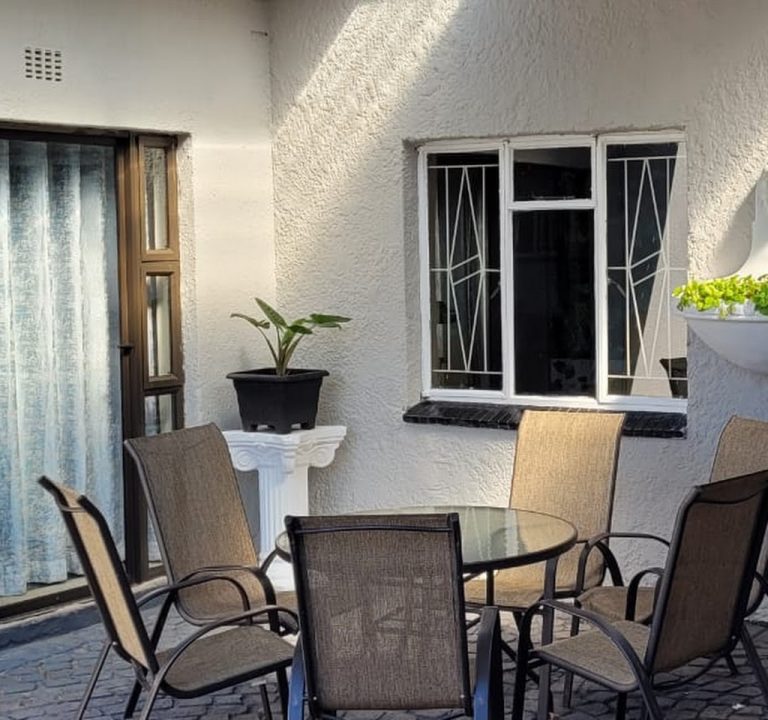
Many guesthouses and boutique hotels in Johannesburg offer en-suite rooms with air conditioning, stylish décor and a personal touch that larger chains may not replicate. Common comforts include a curated breakfast, secure parking, concierge recommendations, and thoughtful extras such as bottled water, tea and coffee provisions, and local guidance on safe neighbourhood walks. For longer stays, units with kitchenettes or self-catering facilities provide additional flexibility. Some lodges and guesthouses feature shared lounges, rooftop terraces or small gardens that are ideal for relaxing after a day of sightseeing.
Transport and getting around
Johannesburg is car-friendly, but many travellers prefer using public transport or rideshailing services for convenience and safety. The Gautrain link between the city centre, Johannesburg Park Station and OR Tambo International Airport offers a fast, modern option for longer trips and airport access. Within the city, Uber and similar services are common, and many areas offer taxi services with trusted operators. If you plan to venture into Soweto or other township areas, check with your host about guided tours or reputable transport options. If you are staying near a major hub, consider a venue that provides easy access to main roads and public transit corridors to minimise travel time between attractions and restaurants.
Best time to visit
Johannesburg enjoys a temperate climate with distinct seasons. Spring (September to November) and autumn (March to May) offer comfortable temperatures and generally lighter rainfall, making these periods well-suited to outdoor activities and urban exploration. Summers (December to February) can be warm to hot, with occasional showers, while winter (June to August) is cooler, often dry and crisp—ideal for museum visits and indoor experiences. If you are landscape or garden-focused, the city’s parks, botanical spaces and hill views can be particularly appealing in spring and autumn.
Practical tips for planning a stay
1) Booking strategy: Compare options across boutique guesthouses, lodges and mid-range hotels to balance price, charm and location. 2) Safety and comfort: Choose well-reviewed properties with clear guest information, and keep valuables secure. 3) Itinerary pacing: Build in restful days between heavy touring and nightlife to avoid fatigue. 4) Food and dining: South African cuisine is diverse; look for venues that offer a blend of local dishes and contemporary fare, with options for vegetarians or dietary restrictions. 5) Local experiences: Seek guided tours, markets and cultural experiences that illuminate Johannesburg’s history and creative energy—these can be highlights alongside formal attractions. 6) Activity windows: Reserve indoor activities for peak heat or heavy rain days, while taking advantage of outdoor sights during cooler mornings and late afternoons.
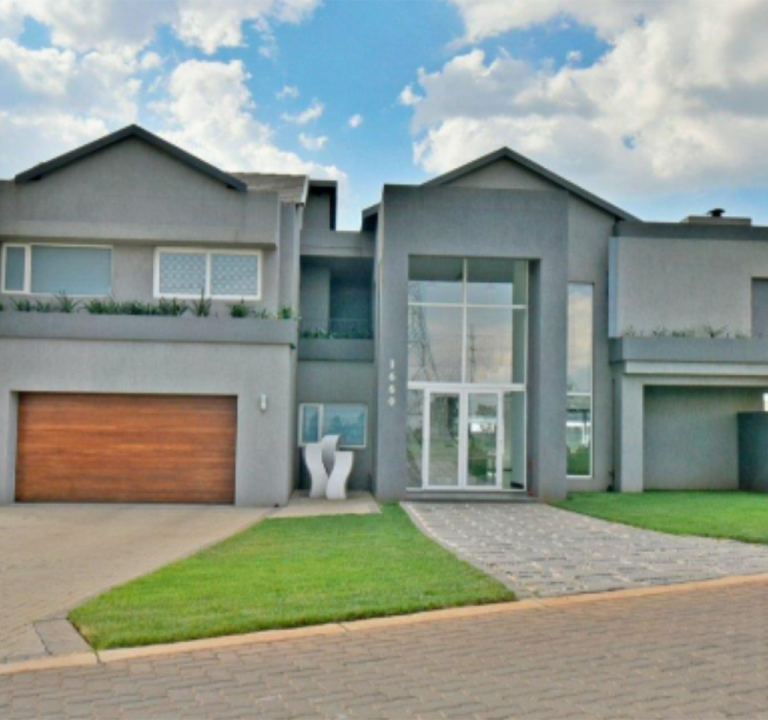
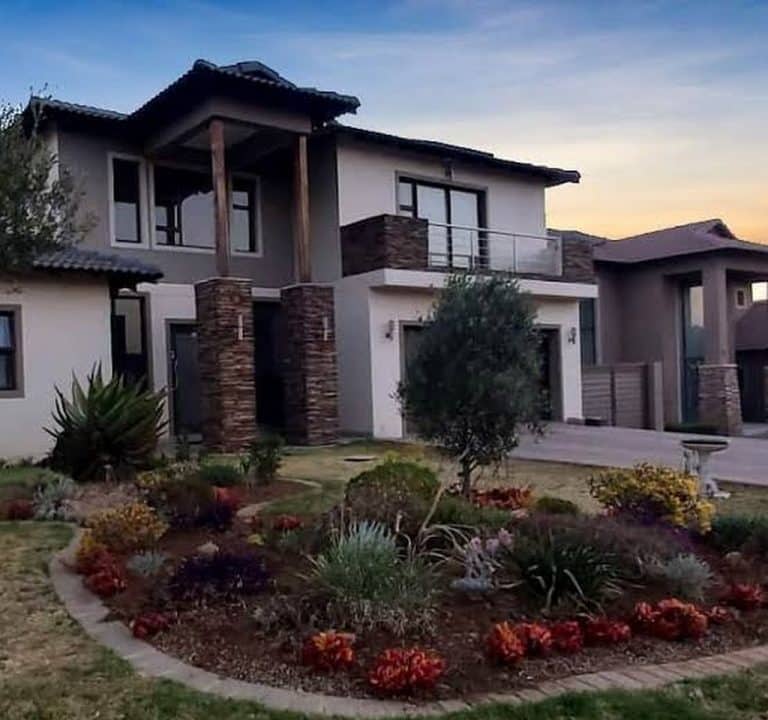
Finding a base near Eye Of Africa might appeal to travellers seeking a quieter locale with golf-focused recreation. If you are planning a longer stay, consider mixing a couple of neighbourhoods to experience different facets of Johannesburg—from business districts and modern shopping precincts to historic townships and artistic quarters. With thoughtful planning, your stay can blend comfortable accommodation with insightful, enjoyable excursions that showcase the city’s warmth, diversity and scale. For further inspiration and practical planning resources, official tourism pages and local visitor centres offer up-to-date guidance on routes, events and neighbourhood highlights.