Exploring Johannesburg: Where to stay, what to see, and how to plan a practical visit
Johannesburg, often referred to as Jo’burg or Jozi, is a vibrant gateway to South Africa’s diverse landscapes, history, and culture. When planning a stay, many travellers look for accommodation that balances comfort, accessibility, and a sense of place. From stylish guest houses tucked into leafy neighbourhoods to modern hotels near business districts, there are options to suit a range of budgets and itineraries. A well-chosen base can make trips to the city’s museums, galleries, markets, and restaurants both convenient and enjoyable.
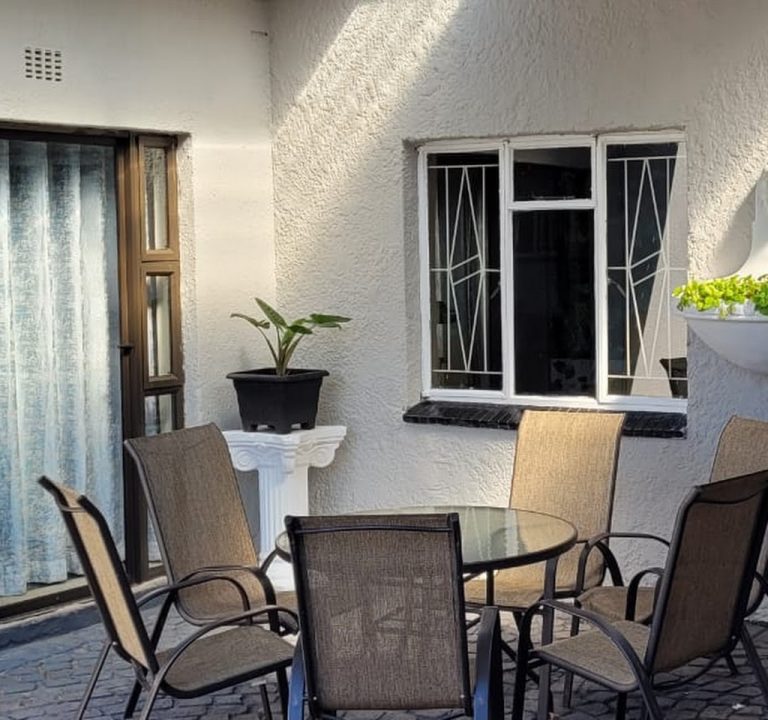
For guests seeking character and personalised service, guest houses can offer a homely atmosphere close to key sights. A property such as Bontle Guest House, for instance, can provide a friendly welcome, thoughtfully arranged rooms, and practical amenities that help you settle in quickly. When reviewing such options, look for clear details about guest facilities, on-site parking, grilling or outdoor spaces, and self-catering elements if you value flexibility. Always confirm the length of stay requirements, breakfast options, and any curfews or quiet hours, especially if you plan late arrival or early departures.
Neighbourhoods near the central business district, the northern suburbs, and the newer urban nodes each have their own character. When selecting an area, consider transport links, safety, and your planned activities. For easy access to business meetings, museums, and cultural venues, a centrally located or well-connected hotel can save travel time. If you prefer a calmer stay with tree-lined streets and boutique dining, the northern suburbs offer a different pace, with many guest houses and lodges set in residential avenues and upmarket shopping precincts.
Typical amenities to look for include reliable Wi‑Fi, comfortable bedding, en-suite bathrooms, secure parking, and a friendly reception team able to provide local tips. Some properties offer organised airport transfers or shuttle services, which can be a real convenience given Johannesburg’s traffic patterns. A small kitchen or kitchenette in a guest room or studio can appeal to visitors planning longer stays. If you travel with family or a group, inquire about room configurations, sofa beds, or interconnecting rooms to maximise space and privacy.
Transport in Johannesburg is a practical consideration. The city has a network of gross-taxi and ride-hailing options, while some areas are best explored on foot or by short rides to nearby attractions. When booking, check access to major highways, proximity to main roads, and the availability of an on-site parking space. If you plan to visit multiple attractions across different parts of the city, you may prefer a base with straightforward access to main routes or a neighbourhood with reliable public transport links.
The best time to visit Johannesburg is generally the drier winter months, from May to September, when outdoor activities feel more comfortable and the air tends to be clearer. However, the city’s mild climate means that spring and autumn can be equally enjoyable, with pleasant temperatures for city strolls, markets, and street cafés. If you are visiting to enjoy outdoor markets and parks, consider the weather forecast and plan a couple of flexible indoor options as a backup.
When planning activities, it is useful to mix culture, history, and outdoor experiences. Johannesburg offers excellent museums and galleries that delve into South Africa’s past and contemporary arts scene, as well as vibrant markets where you can sample local crafts and cuisine. For a relaxed day, you might stroll through notable parks or contemporary urban spaces, followed by meals at restaurants offering diverse dining experiences. Booking a guided city orientation or a curated neighbourhood walk can be a helpful way to acclimatise to the city’s layout and to discover artisans, cafés, and hidden courtyards you might not find alone.
Practical planning tips include budgeting realistic daily amounts for meals, transport, and entry fees, and keeping a simple日-by-day plan that leaves room for spontaneity. Always carry a copy of your booking confirmation and the address of your accommodation in case you need directions. If you are unfamiliar with the area, ask hosts or staff for safe, well-lit routes back to your base after evening outings. It is also wise to verify the property’s cancellation policy and any household rules, especially if you are travelling with children or a pet.
Food and drink are a highlight of a Jo’burg visit, with a spectrum from traditional SA favourites to modern, cosmopolitan cooking. While I cannot list exact venues here, most areas with a strong tourist footprint offer a mix of market stalls, casual eateries, and refined restaurants suitable for varied budgets. Travellers typically enjoy trying a few different spots—perhaps a neighbourhood café for breakfast, a mid-morning bakery stop, and an evening spot for a relaxed dinner. When choosing where to eat, consider proximity to your accommodation and the convenience of returning after a meal.
- Place to consider: central or inner-city neighbourhoods with easy access to museums, shops, and dining
- Place to consider: northern suburbs for a calmer, more residential atmosphere
- Key features: dependable Wi‑Fi, secure parking, clear cancellation terms, and friendly on-site assistance
Johannesburg is a dynamic starting point for exploring Gauteng and beyond. With thoughtful accommodation choices, practical transport planning, and a flexible approach to daily itineraries, you can enjoy a well-rounded stay that blends comfort, convenience, and a touch of the city’s distinctive energy. For a sample base with a welcoming ethos, you may wish to explore Bontle Guest House, and visit their website for more details and availability information: http://bontlelodge.synthasite.com/