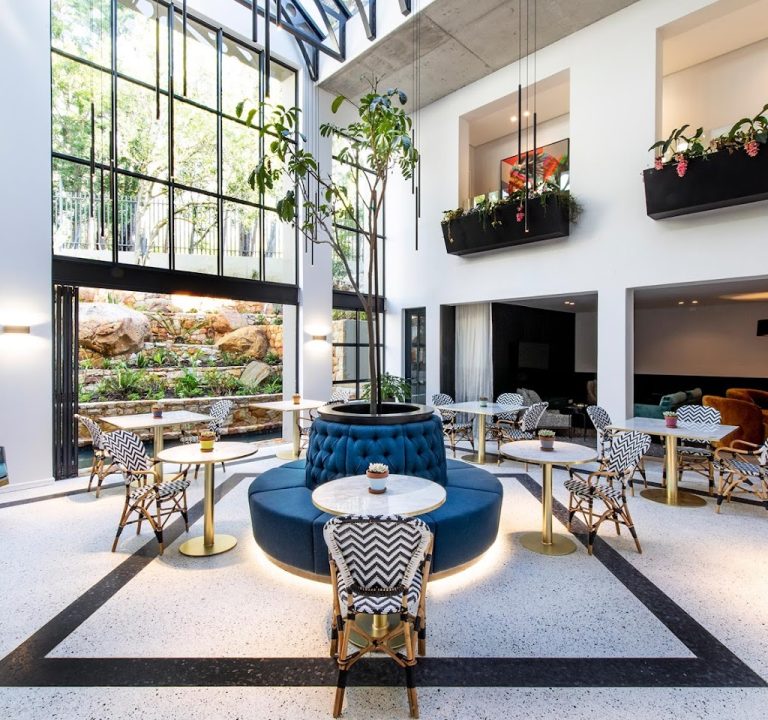
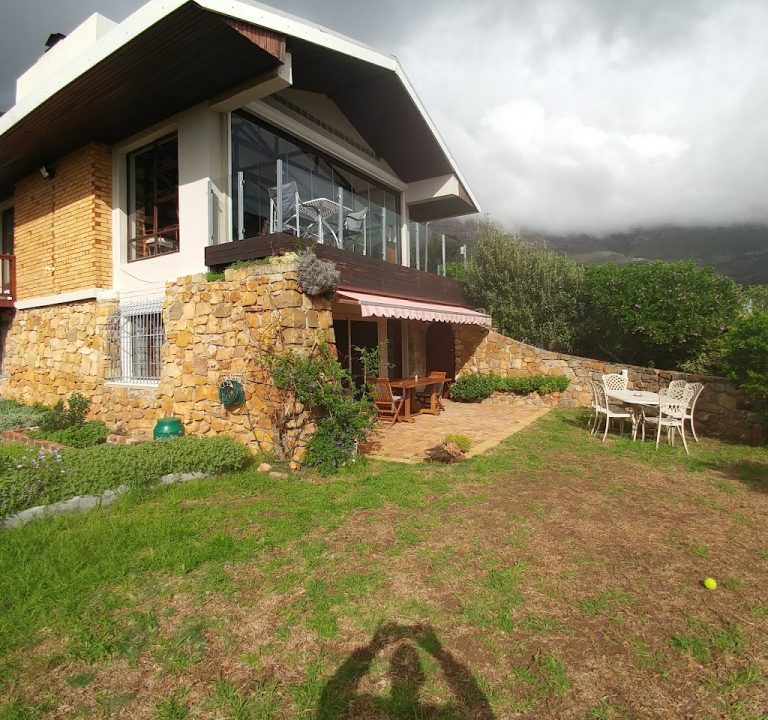
Etafileni – Self Catering Apartment is a Serviced accommodation establishment in Cape Town, Western Cape, South Africa
Etafileni – Self Catering Apartment, Cape Town
Etafileni – Self Catering Apartment sits within the vibrant fabric of Cape Town’s Western Cape, presenting guests with a straightforward approach to staying in the heart of one of South Africa’s most dynamic cities. While the online listing for this property has since disappeared from its previous directory, the footprint of such a self‑catering option in Cape Town typically centres on making the city’s central experiences easily accessible, with practical spaces designed for independence and comfort during a traveller’s stay.
From a traveller’s perspective, self‑catering apartments in Cape Town commonly aim to offer an affordable, flexible alternative to traditional hotel rooms. The concept is simple: guests manage their own cooking and daily routine, with essentials close at hand and local amenities within easy reach. In the case of Etafileni, the apartment would have been positioned to provide the kind of convenience that appeals to those who prefer to plot their days themselves—whether it involves early morning Table Mountain ascents, leisurely museum visits, or evening exploration of Cape Town’s diverse dining scenes.
The surrounding area of an urban self‑catering property in this part of Cape Town typically blends residential calm with easy access to the city’s cultural and natural highlights. The property’s former listing aligned with an urban setting that is well placed for visitors who wish to explore a mix of indoor and outdoor attractions without committing to a fixed itinerary. With many self‑catering options in Cape Town, guests have the advantage of choosing to self‑host their stay, while still enjoying proximity to key points of interest, restaurants, and shops that make a city break convenient and relaxed.
Accommodation style in this sector usually emphasises practical living spaces rather than ornate hotel décor. Expect compact self‑contained units that prioritise functionality—kitchens equipped for everyday meal preparation, sleeping areas designed for restful nights after city adventures, and living zones that offer a comfortable retreat after a day of sightseeing. While the exact layout, size, and facilities of Etafileni are not detailed in the current listing, the self‑catering model commonly supports flexible schedules, whether that means an early coffee before a hill hike or a late dinner following a cultural stroll.
One of the strongest selling points for a self‑catering apartment in Cape Town is independence paired with location. The city’s districts offer a tapestry of experiences—from verdant Table Mountain to world‑class galleries and bustling markets. For guests who appreciate a blend of natural beauty and urban culture, the city provides a full spectrum of activities that can be enjoyed at a self–guided pace. The nearby points of interest commonly cited by Cape Town visitors include iconic geological and cultural landmarks, suggesting that a stay in a central apartment could support a rich itinerary without the constraints of a tightly scheduled plan.
Etafileni’s former positioning would have aimed to attract travellers who value affordability and autonomy, such as solo explorers, couples seeking a city break, or families needing a compact, self‑sufficient base from which to launch daily adventures. The flexibility of a self‑catering arrangement tends to pair well with South Africa’s welcoming hospitality, enabling guests to tailor dining experiences, snack stops, and meal times to personal rhythms rather than hotel dining schedules.
Nearby highlights and experiences, as recognised by the broader Cape Town visitor map, include mountain scenery, museums, galleries, and theatres—all within reach for those who enjoy combining culture with outdoor exploration. The area’s cultural institutions, historic districts, and scenic viewpoints offer a broad spectrum of activities that can be woven into a personalised travel plan. While Etafileni’s current status on the listing platform reflects that the accommodation may no longer be actively listed, the concept of a Cape Town self‑catering apartment remains a familiar and appealing option for travellers seeking a home‑away‑from‑home base in this iconic city.
Booking and travel tips for self‑catering stays in Cape Town include a few practical ideas. First, verify check‑in procedures and access details with the listing platform or the property owner before arrival. Second, utilise the city’s abundant public transport options or plan day trips with flexibility in mind, since self‑catering arrangements are well suited to adapting to changing schedules. Third, consider stocking up on groceries and essentials from nearby shops to maximise the value of the stay, while also planning for possible variations in seasonal pricing. Finally, when exploring a central Cape Town apartment, keep an eye on safety, parking options, and ease of access to your intended daily routes to ensure a smooth and enjoyable visit.
- Nearby attractions commonly associated with central Cape Town include Table Mountain’s vistas, galleries, and historic districts.
- Self‑catering stays often suit travellers who prefer flexibility in dining and daily routines.
- Ensure up‑to‑date details for access, amenities, and local tips via current listings or the property’s official website.
For those seeking a confident base from which to explore Cape Town’s City Bowl and Atlantic Seaboard pockets, a self‑catering apartment like Etafileni would typically deliver a practical, budget‑friendly, and independently managed stay. Visitors are encouraged to explore current accommodation options in Cape Town’s city centre and nearby suburbs to find a comparable home‑away‑from‑home experience that aligns with personal travel style and interests. More information and alternative listings can be found at trusted platforms featuring Cape Town’s self‑catering options, including links to official sites and town guides such as Cape Town City Bowl accommodation.
Cape Town
Western Cape
8001
South Africa


Accommodation in Cape Town: planning a memorable stay and the best things to do
Cape Town offers a diverse tapestry of places to stay, from stylish city-centre flats and sea-view apartments to historic guest houses tucked into leafy suburbs. When planning a visit to the Western Cape, think about what kind of atmosphere you want, how you’ll move around the city, and which landscapes you’d like to wake up to. The city’s top neighbourhoods cover the Atlantic Seaboard’s beaches, the rugged splendour of the Table Mountain slope, and the cultural heart of the City Bowl, giving travellers a range of experiences in one compact destination.
Areas to consider include the Atlantic Seaboard, where bright self-catering studios and boutique apartments sit close to Camps Bay, Clifton, and Green Point; ideal for beach lovers and sunset chasers. The City Bowl – including Gardens, Oranjezicht, Tamboerskloof and the central Cape Town CBD – is perfect for guests who want easy access to museums, markets and nightlife, with many guest houses and small hotels offering warm, personalised service. Constantia and surrounding valleys provide a more tranquil, wine‑and‑nature‑oriented stay, while the southern suburbs and suburbs around the Table Mountain national park offer leafy streets, excellent dining, and close proximity to hiking trails.
Typical amenities vary by property type but commonly include en-suite bathrooms, free Wi‑Fi, daily housekeeping in some places, and options for self‑catering or breakfast. Guests often appreciate features such as views of Lion’s Head or the Atlantic Ocean, well-equipped kitchens, parking on site, and convenient access to public transport or airport transfers. When booking, check the property’s exact location on a map, the floor plan, and details about shared spaces if you’re travelling with family or a group.
Transport in Cape Town is straightforward but planning ahead saves time. The city centre and proximity to Table Mountain mean many visitors prefer to stay within a short drive or rideshare distance from major sights. If you’re relying on public transport, look for areas with good bus routes or tram-like city services, and consider properties with parking if you plan to hire a car. For scenic day trips—such as a journey along the coast to scenic viewpoints or a drive to the Cape Winelands—a car can be highly convenient, while guided tours can be a good option for mountain trails and cultural neighbourhoods.
The best time to visit Cape Town depends on what you want from your trip. Summer (December to February) brings warm weather and long days, ideal for beaches and outdoor activities. Autumn (March to May) and spring (September to November) offer mild temperatures and fewer crowds, with excellent opportunities for coastal walks and wine-tasting excursions. Winter (June to August) is cooler and wetter, but it can be a good period for museum visits, city strolls, and enjoying indoor comforts in cosmopolitan areas.
Booking tips to help you plan a smooth stay:
- Prioritise clear cancellation policies and any deposit requirements, especially for peak season bookings.
- Check the description for self-catering facilities, parking, and whether breakfast is included, to match your daily plans.
- Review access to laundry facilities, outdoor spaces, and security provisions, particularly in busy districts.
- Consider proximity to attractions you most want to visit, and assess access to public transport or rideshare options.
- Look for flexible dates or refundable rates if your itinerary may shift due to weather or interest in new discoveries.
When it comes to experiences, Cape Town offers a broad canvas. You’ll find opportunities to explore iconic viewpoints, coastal trails, and nature reserves in addition to cultural and culinary experiences. Museums and galleries in the city centre and Gardens provide insight into local history and art, while coastal walks and the surrounding peninsula offer dramatic scenery and wildlife viewing in appropriate seasons. Dining ranges from casual eateries with fresh seafood and wood-fired dishes to more formal restaurants that showcase South African culinary creativity alongside global influences. In general terms, expect menus featuring seafood, game meats, vibrant vegetables, and desserts inspired by both local traditions and contemporary techniques.
Practical tips for visitors: acquaint yourself with the layout of Table Mountain and the surrounding park areas, recognise that weather can change rapidly in coastal regions, and plan outdoor activities with sunscreen, water, and appropriate footwear. Pack layers for cool evenings and sea breezes. If you’re visiting during peak seasons or weekends, book accommodation well in advance and check whether a place offers flexible policies to accommodate any shifting plans. For a more immersive stay, consider a mix of accommodation types—perhaps a base in a city-centre guest house paired with a short stay in a self-catering apartment for day trips to the winelands or nearby nature reserves.
To begin your search, reputable booking platforms and local tourism resources can guide you to suitable options across Cape Town’s diverse neighbourhoods. For planning and inspiration, explore official tourism information and general accommodation listings that showcase Cape Town’s lifestyle, accessibility, and close-knit communities. A well-chosen base can make it easier to enjoy both the vibrant city life and the spectacular natural landscapes that define this remarkable part of South Africa.
Sorry, no records were found. Please adjust your search criteria and try again.
Sorry, unable to load the Maps API.
Why Claim Your Listing?
Claiming your listing on the B&B Finder directory website is a valuable opportunity for business owners. Here are five reasons why you should consider claiming your listings:
Control Over Business Information: By claiming their listing, business owners can ensure that all the information presented is accurate and up-to-date. This includes details such as contact information, address, pricing, and available services or amenities. Accurate information helps prevent customer confusion and improves overall satisfaction.
Enhance the Listing: Once a listing is claimed, owners can enhance it by adding more comprehensive information and rich media, like high-quality photos and videos. These additions can make the listing more attractive and engaging to potential customers, thereby increasing the likelihood of bookings.
Marketing Opportunities: Claiming a listing can also open up additional marketing opportunities. Owners may be able to participate in promotional campaigns, special offers, and other marketing activities organized by the directory. This can increase visibility and attract more customers to the business.