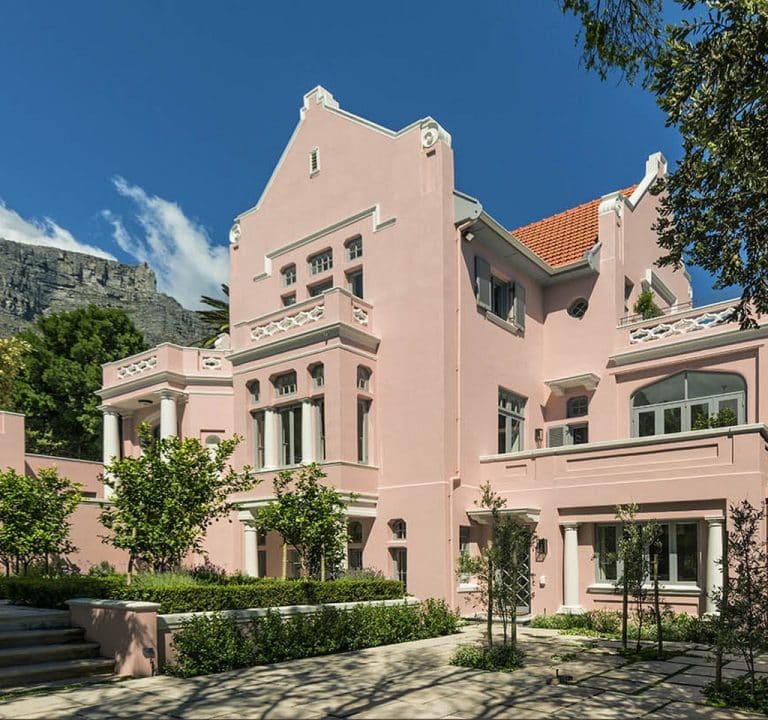
Cape Town: where stylish stays meet extraordinary experiences
Cape Town offers a diverse tapestry of neighbourhoods, from leafy hillside retreats to sun-drenched coastal towns. When planning a stay, most visitors weigh proximity to iconic sights against the pace of neighbourhood life, aiming to balance convenience with authentic local character. For many guests, a two-centre approach works well: a self-contained apartment or boutique hotel in a central district for sightseeing during the day, followed by a calmer waterfront or coastal area for evenings and relaxation.
Areas to consider include the City Bowl for easy access to museums, markets and dining, the vibrant and historic Bo-Kaap with its legendary colours and views, and the Atlantic Seaboard along Camps Bay and Clifton for beachside ambience. The V&A Waterfront offers a bustle of shopping and dining by the harbour, while Constantia Valley provides wine-tasting and tranquil scenery a short drive from the city. If you prefer a mountain backdrop, the slopes above Cape Town in the surrounding suburbs offer quiet streets and panoramic outlooks, often paired with access to nature trails and farm-to-table dining.
When choosing accommodation, think about how you will get around. Cape Town is still car-friendly, but many travellers opt for a mix of walking, guided tours, and public transport. The MyCiTi bus network links major centres with convenient routes, while rideshare options and car hire give you flexibility for day trips to the Cape Winelands, the Cape Point reserve, or the scenic coastal towns. If you plan to stay near the coast, consider properties with parking or easy taxi access for evenings out.
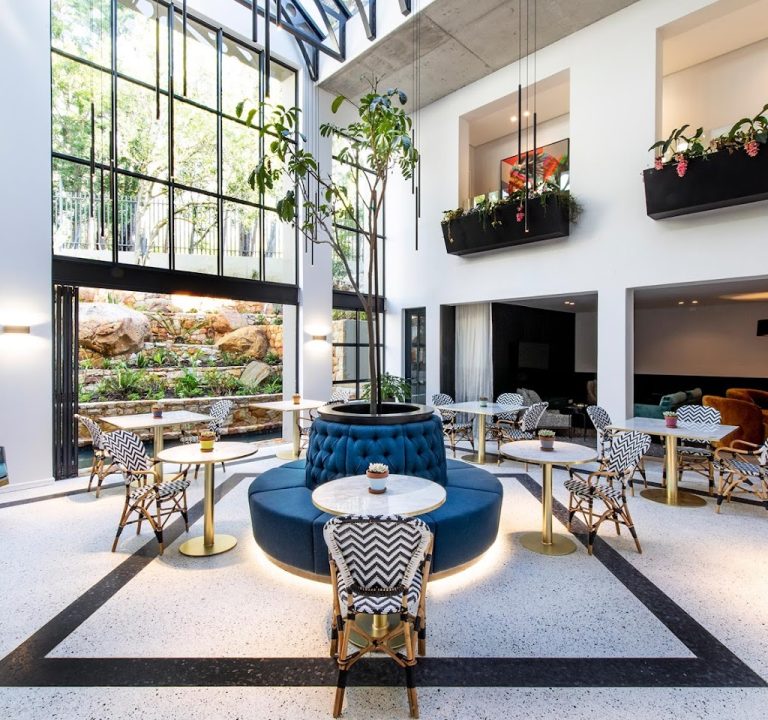
Typical amenities to look for include strong Wi-Fi, secure parking, and comfortable communal spaces. A guest-friendly touch is an attentive front desk or hosts who can suggest day plans and hidden gems. In boutique hotels or guesthouses, you might find features such as chef-led breakfast options, sunny terraces, and thoughtfully designed rooms with views of the city bowl, ocean, or mountain. For families or groups, self-catering options and apartment layouts can simplify meals and downtime between activities.
Best time to visit Cape Town depends on what you want from the trip. The southern hemisphere seasons mean that spring (September to November) and autumn (March to May) are particularly pleasant, with milder days and fewer crowds than peak summer. Summer (December to February) brings longer daylight and a lively street scene, while winter (June to August) can be cooler and windier, ideal for museum visits and indoor experiences. If your plans include outdoor adventures such as hiking or wildlife excursions, pack layers and be prepared for changeable weather.
Practical tips to make the most of your stay:
- Book accommodation with flexible cancellation where possible, given potential weather-related changes to plans.
- Request local insights on the best placement of rooms or suites to maximise views or quiet times.
- Plan a mix of indoor and outdoor days to balance sightseeing with downtime, especially after travel or long activities.
- Preface day trips with a safety plan for driving routes, parking, and crowding around popular sights.
- Pack sunscreen, a hat, and a light jacket for coastal sea breezes and late-afternoon shade.
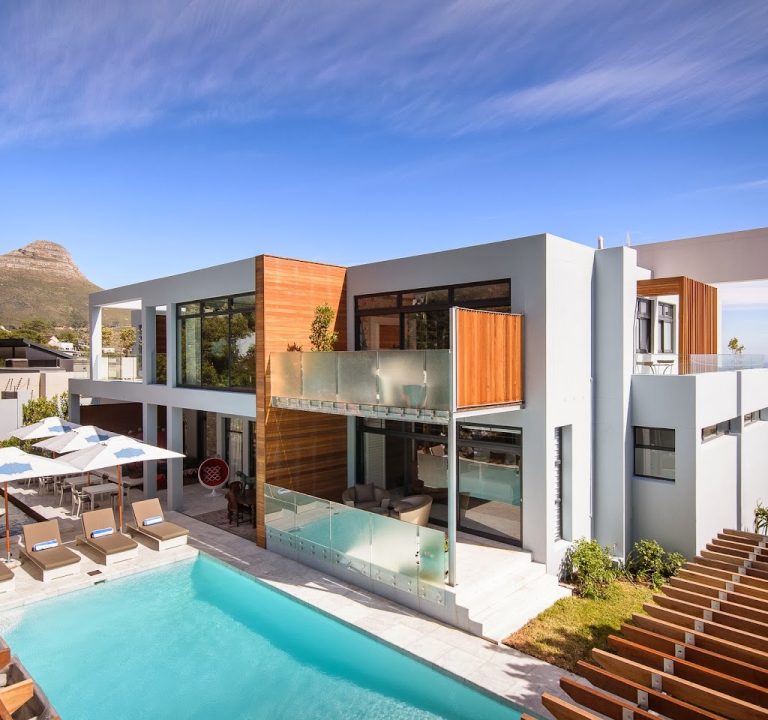
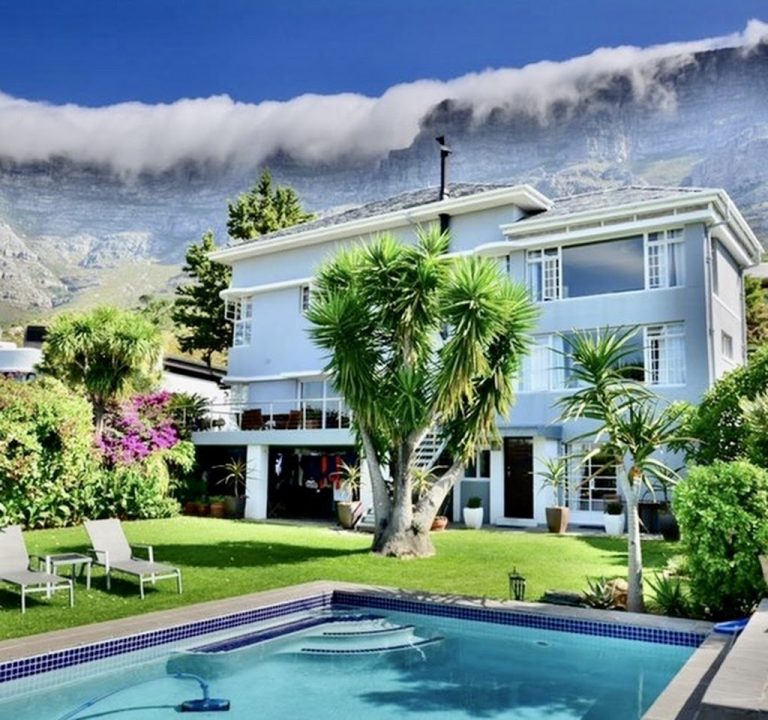
Accommodation examples span a spectrum from intimate guesthouses to stylish boutique hotels. A boutique offering in a historic district might blend modern comfort with period charm, curated artwork, and a strong local flavour in its breakfasts and common areas. In coastal zones, properties often emphasise sea views, terraces, and easy access to beaches, promenade walks, and sunset cocktails. On the city’s higher hills, you may find elegant rooms with panoramic views over the Atlantic slopes or the harbour, paired with quiet nooks for reading or planning tomorrow’s adventures.
When looking at venues, consider how close you are to main sights and how you’ll spend your days. A stay near the V&A Waterfront or Cape Town CBD keeps museums, markets and urban dining within easy reach, while a base in Camps Bay or Clifton offers long beach walks and sunset photography opportunities. For wine lovers, a day trip to Constantia or the nearby Stellenbosch and Franschhoek regions can be combined with spa time or a winery lunch, returning to a restful night at a nearby hotel or guesthouse.
Dining out in Cape Town covers everything from casual cafés to refined tasting menus. In general, you can expect seafood-centric dishes, fresh produce, and a mix of African-inspired and international flavours. Restaurant attractions often lie in the city’s markets, harbour-front venues, and hillside establishments with terrace seating. To plan, check contemporary reviews and reserve ahead for popular spots, especially during holiday periods or weekends. Many hotels and guesthouses offer guest-curated recommendations and map-ready guides to help you tailor meals and day plans to your energy levels and interests.
One well-regarded option for travellers seeking a chic, well-situated base is MannaBay, a boutique hotel known for its thoughtful design and personalised service. You can explore its official site for details on rooms, amenities, and nearby attractions: MannaBay.
In sum, Cape Town rewards travellers who blend careful planning with flexible days. By selecting a neighbourhood that suits your rhythm, prioritising accessible transport, and pairing outdoor adventures with restorative downtime, you can enjoy both the spectacular scenery and the city’s world-class hospitality.