Accommodation and attractions in Cape Town, Western Cape
Cape Town blends dramatic natural scenery with cosmopolitan charm, making it a standout destination for travellers seeking a balanced stay of city life and outdoor adventures. When planning where to base yourself, think about access to the main sights, how you plan to travel around, and the kind of atmosphere you prefer—from boutique B&Bs with personalised service to modern hotels with sweeping views. A well-chosen neighbourhood can save time and elevate your whole trip.
Consider the Atlantic Seaboard for scenery and beaches, offering stylish hotels and guesthouses with sea views, close to Camps Bay and Clifton. The City Bowl provides a central, walkable hub with easy access to museums, markets and a thriving dining scene, while Green Point and the waterfront area offer a balance of transport links, contemporary restaurants and cultural attractions. For a more tranquil, leafy setting, constantia Valley and the southern suburbs provide vineyards, nature trails and larger properties, often with gardens and privacy. If you’re after a true neighbourhood feel with easy access to the city centre, Woodstock and Observatory offer characterful stays and a growing array of cafés, galleries and eateries.
What to look for when booking a stay:
- Location relative to your planned activities—Table Mountain Cableway, the V&A Waterfront, and hiking trails are all within reach from different parts of the city.
- Access to transport—getting around Cape Town is smoother with easy taxi or ride-hailing options, and some areas have convenient bus services or proximity to rail links.
- Amenities that suit your trip—free Wi‑Fi, breakfast options, parking, secure access, and relaxed lounges can make a difference for longer stays.
- Security and privacy—look for checked reviews about gates, 24-hour reception, safes, and well-lit surroundings, particularly in central or busy districts.
- Flexibility—consider properties with a late-check-in policy or the option to tailor breakfast times, tours, or self-catering facilities if you’re staying for several nights.
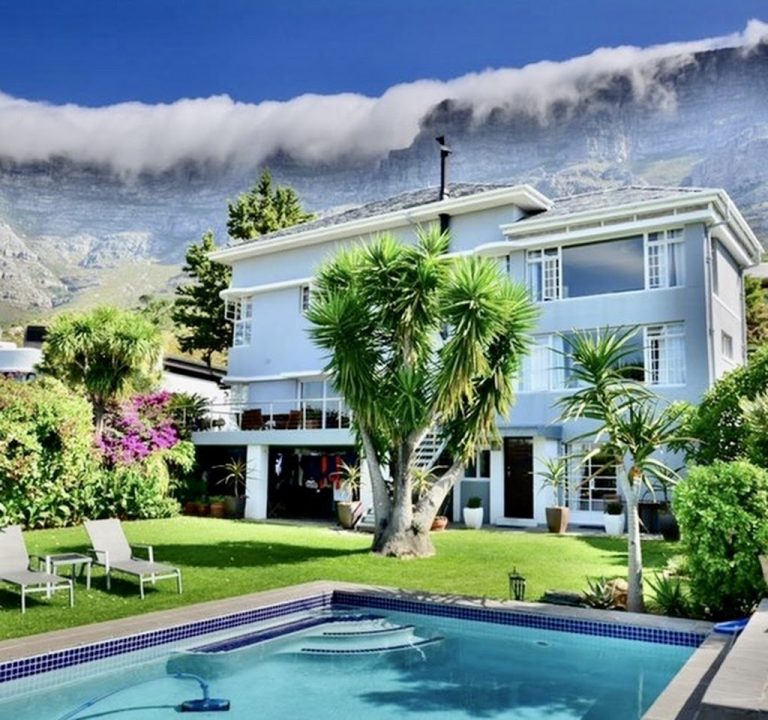
Typical accommodation formats in Cape Town range from intimate B&Bs and guesthouses to boutique hotels and lodges. A city-centre B&B or boutique hotel often combines comfortable rooms with a personalised touch, where hosts can offer practical tips on routes and hidden spots. In more scenic zones, guesthouses may boast shared gardens, breakfast terraces with mountain views, and easy access to coastal paths. For travellers valuing privacy and business travellers alike, modern hotels in Green Point or the Waterfront can provide efficient workspace setups, on-site dining, and well-equipped meeting rooms.
Planning transport and getting around efficiently is key. The MyCiTi bus network covers many of the major routes across the metropolitan area, including links to the airport and popular beaches. Rideshare apps are widely available, and car hire offers flexibility for exploring the Cape Peninsula—just be mindful of peak traffic times and parking considerations in the city centre and near popular attractions. If you’re exploring wine country or coastal towns on day trips, you’ll benefit from a base with easy access to organised tours or rental cars.
Best time to visit Cape Town depends on your priorities. The city enjoys warm, dry summers from December to February, ideal for beach days and outdoor activities. Autumn (March to May) and spring (September to November) offer milder weather, blooming gardens, and quieter streets. Winter (June to August) can be cooler and wetter, yet the city’s museums, markets and dining scene keep visitors entertained, and there are often fewer crowds at attractions.
Attractions and experiences to plan around, in broad terms, include iconic natural landmarks, coastal vistas, and cultural hubs. You may want to reserve time for a cable car or hike up Table Mountain, a visit to Robben Island, a stroll through Kirstenbosch National Botanical Garden, and a scenic drive along the Atlantic coast to Cape Point. The city’s districts host markets, galleries and a diverse restaurant scene offering everything from seafood and contemporary South African cuisine to international fare. For a well-rounded stay, pairing outdoor adventures with restful evenings in a comfortable base can help you make the most of your Cape Town itinerary.
Dining and neighbourhood exploration can be part of the daily plan. In various areas you’ll find casual cafés, bakery batches, and stylish eateries that specialise in fresh seafood, Mediterranean-inspired dishes, or hearty, wholesome meals. Market visits and food stalls offer a taste of local produce, while wine-friendly restaurants in nearby valleys provide opportunities to sample the region’s acclaimed wines in a relaxed setting. For a well-rounded experience, plan evenings in different districts to enjoy a range of ambience—from panoramic rooftop bars to quiet, intimate dining rooms.
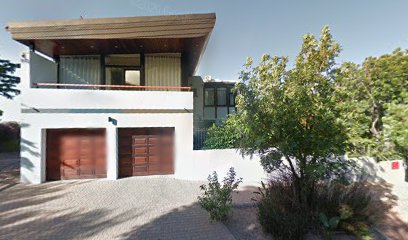
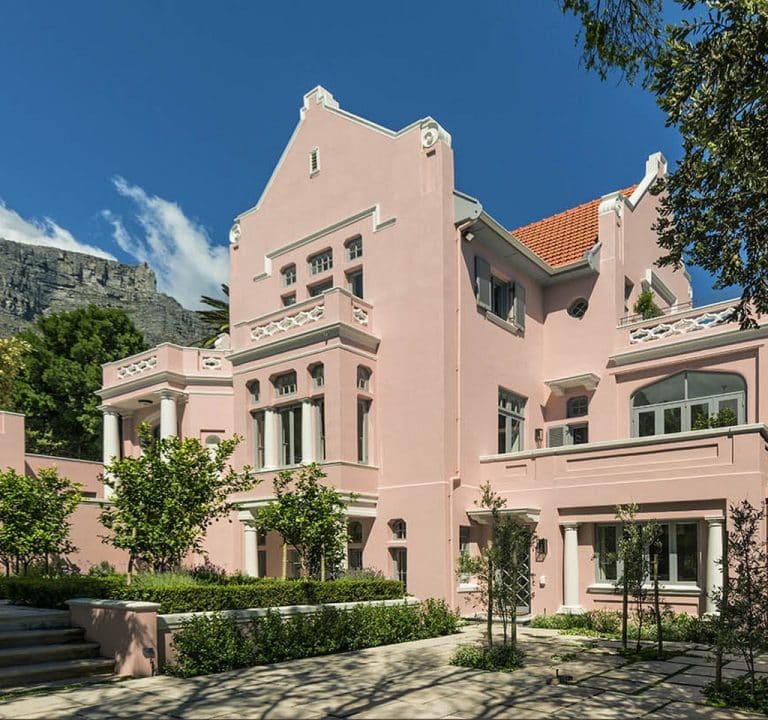
Example accommodation note: 10onRugby B&B represents the kind of intimate, characterful option you might encounter in the city—subject to availability and seasonal offerings. When researching, look for guest reviews that mention the attentiveness of hosts, the comfort of rooms, and the usefulness of local tips about transport, walking routes, and less-explored attractions. A well-located B&B or boutique hotel can feel like a welcoming home base after a day of exploration, with easy access to the city’s highlights and a comfortable retreat to plan tomorrow’s adventures. For more information, visit the property’s official website or trusted travel platforms to confirm details such as breakfast formats, room types, and on-site facilities.