Accommodation and experiences in Cape Town: planning a memorable stay
Cape Town, set between the iconicTable Mountain and the sparkling Atlantic, offers a broad spectrum of places to stay, from intimate guest houses to modern hotels and self-catering retreats. When planning a visit, think about what you want to do each day and how you’ll move around the city. A well-chosen base can save time and heighten your enjoyment of the city’s landscapes, culture and cuisine.
Choosing a neighbourhood
Cape Town’s neighbourhoods each have a distinct mood and proximity to activities. The City Centre and the V&A Waterfront are convenient for exploring museums, parks and a walk along the harbour, with easy access to public transport and ferries. If you’re after beaches and a buzzy night scene, Camps Bay and Clifton offer sun, sea and sunsets, while Sea Point provides a lively promenade and quick access to the Atlantic Seaboard. For a more leafy, wine-country flavour with easy access to vineyards and scenic drives, Constantia and the Southern Suburbs are ideal. Bo-Kaap, a colourful historic district, is walkable from the city and pairs cultural immersion with doorstep dining. For a more relaxed, artistic vibe, areas such as Woodstock or Observatory (obs) present boutique guest houses and eateries within a creative community.
What to look for when booking
- Location relative to your planned activities and the time you’ll spend on the road.
- Type of accommodation and level of self-catering or meals included.
- Accessibility to public transport, Uber/Lyft options, or parking if you’re driving.
- Typical amenities: reliable Wi-Fi, kitchen facilities, air conditioning, heating, secure access, and laundry on site.
- Safety and cleanliness standards, guest reviews, and flexible booking policies.
- Distance to attractions, beaches, viewpoints, and restaurants, with practical notes on walking routes after dark.
- Quiet rooms or separate entrances if you are travelling with family or in a group.
Typical accommodation formats you’ll encounter
- Guest houses and B&Bs: often characterful homes with personalised service, breakfast options, and common spaces for socialising or relaxation.
- Self-catering houses or apartments: ideal for longer stays or families; you’ll usually find a kitchen, living area, and sometimes garden or balcony spaces.
- Boutique hotels: smaller properties with a curated design, often near city highlights or coastal landscapes.
- Lodges and guest lodges: could be perched on a hillside or near winelands, offering serene settings and easy access to nearby natural attractions.
Transport and getting around
Cape Town’s compact city core makes walking feasible in many areas, especially around the centre, the V&A Waterfront, and the historic precincts. For longer hops, a ride-hailing app is commonly preferred, with a straightforward trip to the Atlantic coast, Constantia, or the winelands being popular day trips. If you’re renting a car, look for properties with secure parking or easy park-and-go access. Some guest houses offer shuttle services or can arrange guided tours—useful options if you plan to explore beyond the city.
Best time to visit and practical tips
- The peak season runs from November to March, when days are long, beaches are busy and prices can rise. Shoulder seasons in spring (September to November) and autumn (March to May) often offer milder weather, fewer crowds and better value.
- Bring layers; Cape Town weather can be changeable, especially on the coast or in the mountains.
- If you plan coastal walks or hikes, start early to avoid stronger afternoon winds and sun.
- Book in advance for popular experiences such as harbour cruises, Robben Island tours, and fine-dining restaurants, especially during holiday periods.
- Respect local etiquette and safety guidelines, particularly in busy urban areas and at night.
Amenities you can typically expect
- Comfortable beds, daily housekeeping or towel service for guest houses, and well-equipped kitchens in self-catering spaces.
- Free Wi-Fi, secure entry systems, and sometimes on-site parking.
- Common areas such as lounges, verandahs, or terraces with mountain or ocean views.
- Local information guides, curated recommendations for restaurant reservations, and help with arranging tours or transport.
A sample plan for a balanced stay
- Base in the City Bowl or near the V&A Waterfront to enjoy museums, markets and harbour views.
- Day trips to the Cape Winelands or the coastal towns along the Atlantic Seaboard.
- Evenings exploring diverse dining scenes, from casual seafood shacks to modern bistros and neighbourhood eateries offering traditional Cape flavours.
- A mix of outdoor activities: Table Mountain cable car or hiking, a shoreline stroll along Sea Point, and a short trip to nearby nature reserves or beaches.
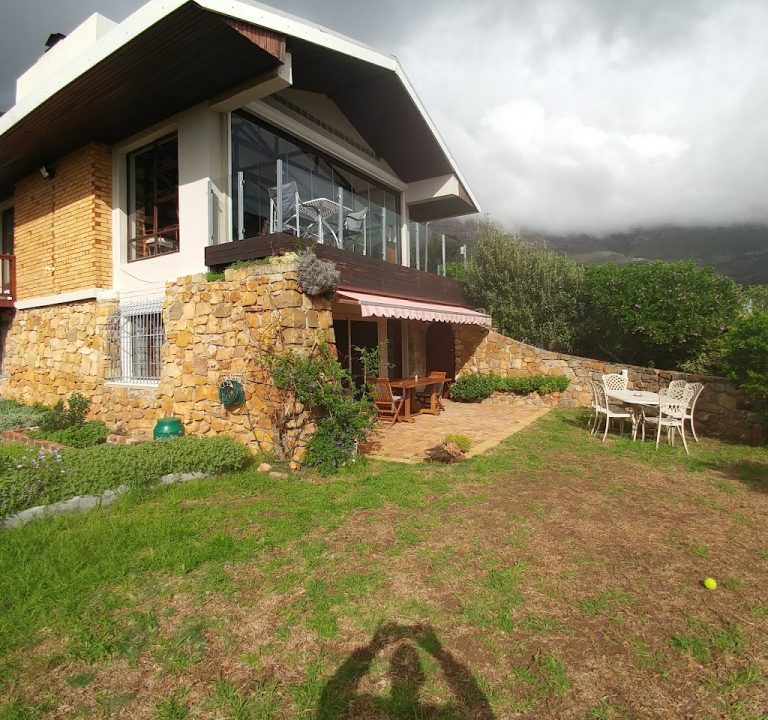
House Fritz Self-catering and similar stays
For travellers seeking flexibility, self-catering options like informal guest houses provide the space to cook, relax and come-and-go at your own pace. A well-located self-catering stay can act as a home base for a busy itinerary, offering privacy and the chance to settle in after long days of exploring. When staying with a self-catering option, check kitchen facilities, fridge space, and storage for groceries, plus any shared amenities and rules about use.
Useful resources
- Official tourism sites and local visitor centres often provide practical tips, maps and suggested itineraries.
- Reputable accommodation listings offer guest reviews with honest reflections on location, comfort, and service.
- Restaurant guides and market recommendations can help you discover Cape Town’s diverse flavours, from fresh seafood to hillside bistros and family-run cafes.
Whether you’re drawn by the natural drama of the coastline, the city’s cultural heritage, or the chance to sample Cape Town’s acclaimed culinary scene, a carefully chosen base will enhance every moment of your stay. Consider your itinerary, pick a convenient neighbourhood, and align your booking with the amenities that will make your trip comfortable, affordable and memorable. For further inspiration and planning ideas, explore established tourism resources and reputable accommodation platforms that present both style and practicality in equal measure.