Accommodation and Experiences in Cape Town: Where to Stay and What to Do
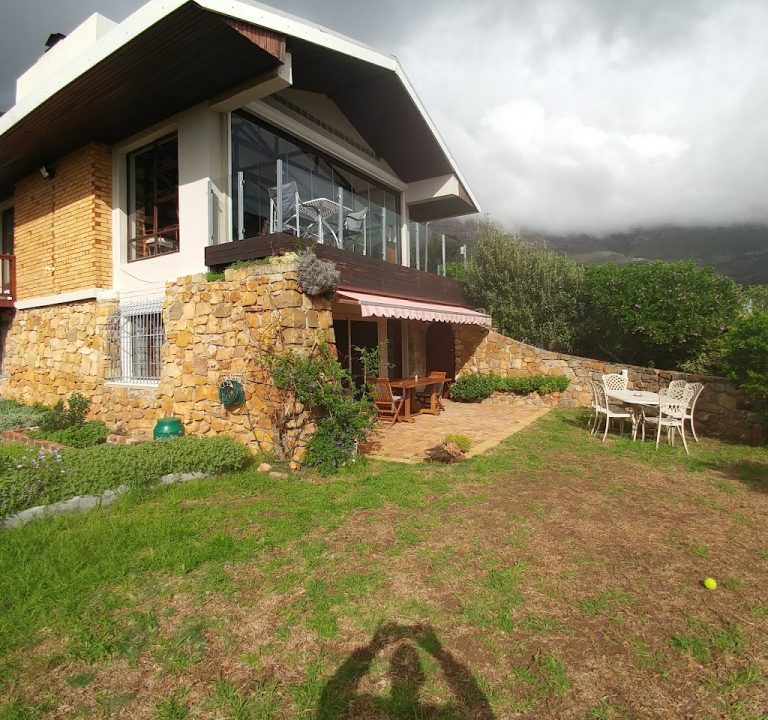
Cape Town, in the Western Cape of South Africa, offers a vibrant mix of scenery, culture, and cuisine. When planning a stay, many travellers weigh the appeal of coastal glamour against easy access to nature and neighbourhood charm. From boutique guesthouses in the historic City Bowl to airy seaside retreats along the Atlantic seaboard, there are options to suit every style and budget. A place such as Alinas Haus, positioned closer to the heart of the city, can provide a convenient base from which to explore Cape Town’s highlights while enjoying a relaxed, traveller-friendly atmosphere.
Choosing where to stay often comes down to location and convenience. If you want panoramic views and a beach on the doorstep, consider areas near Camps Bay or Clifton. For a more urban, foodie and culture-forward stay, the City Centre, Green Point, and the V&A Waterfront area offer easy access to restaurants, markets, and nightlife. For wine lovers and a quieter, leafy escape, the Constantia Valley or the eastern suburbs provide excellent guesthouses with garden settings and easy day trips to the Cape Winelands. And for those who value colourful streets, historic architecture, and a truly Cape Town vibe, Bo-Kaap and Woodstock remain excellent bases with lots of character.
Typical accommodation options range from boutique guesthouses and family-run B&Bs to self-catering apartments and mid-range hotels. When booking, look for these features to ensure a comfortable stay:
- Security and parking arrangements, especially in busy neighbourhoods.
- Proximity to MyCiTi bus routes, Uber accessibility, or easy taxi access for evening outings.
- Breakfast offerings and whether kitchens or self-catering facilities are available.
- Air conditioning or heating, given Cape Town’s seasonal changes and microclimates.
- Wi‑Fi reliability and workspaces if you need to stay connected.
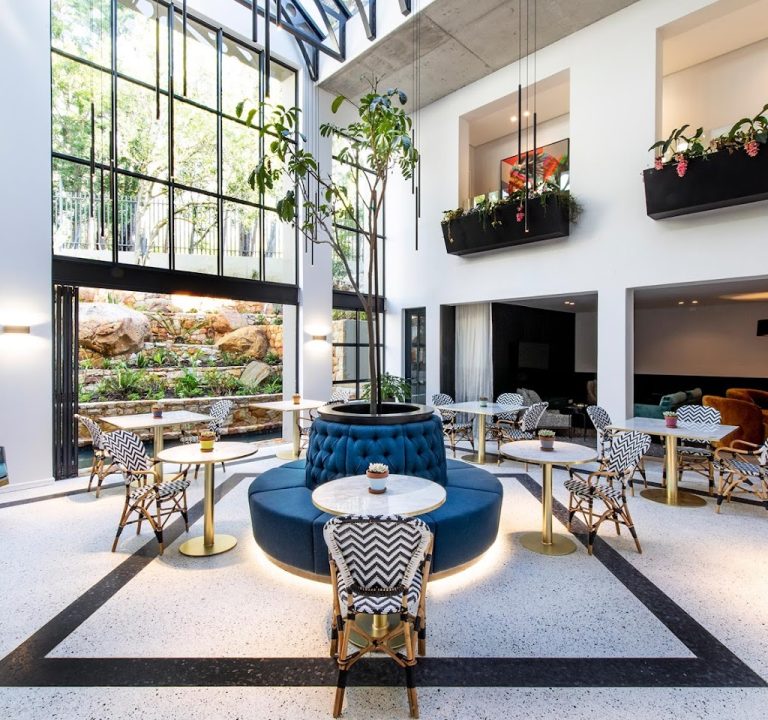
In terms of facilities, many travellers look for a mix of comfort and practicality. Expect well-kept rooms with en-suite bathrooms, daily housekeeping, and guest lounge areas. Some properties provide balconies or terraces with views to the harbour, mountains, or neighbourhoods. Guesthouses may offer inclusive breakfast, while boutique hotels often provide a curated experience with carefully designed interiors and in-house dining options. If family travel or longer stays are on the cards, self-catering units with kitchenettes and laundry facilities can be highly beneficial.
Transport in Cape Town can shape your itinerary significantly. The city is spread out, and while some areas are walkable, a car or reliable ride-hailing service is handy for venturing to the winelands, penguin beaches on the Atlantic coast, or the scenic coastal drives. For day trips, a mix of self-drive, guided tours, or private transfers can be arranged. If you prefer public transit, the MyCiTi bus network covers many tourist-friendly routes, and the Atlantic Seaboard corridor is well served by taxis and ride services in peak season.
The best time to visit Cape Town is shaped by weather, with two main peaks of activity. The South African summer from November to March brings longer days, calmer seas, and lively outdoor events. The shoulder seasons—spring (September to November) and autumn (March to May)—offer milder weather, fewer crowds, and excellent value for accommodation. Winter, from June to August, can be cooler and wetter, but is also a good time to explore the culinary scene and nearby wine regions with fewer visitors. If avoiding peak crowds matters, consider midweek stays or shoulder-season bookings and plan outdoor activities in the mornings when conditions are often at their best.
When planning activities, Cape Town’s attractions can be enjoyed in a relaxed, flavoursome, and outdoor-friendly way. Iconic natural highlights include the iconic Table Mountain funicular or a sunrise hike with sweeping views over the harbour and coastline. Robben Island waiting lists can be lengthy, so booking in advance is sensible. Kirstenbosch National Botanical Garden offers shaded trails and seasonal blooms, while the Cape Point reserve provides dramatic coastal scenery and wildlife watching. For families and culture seekers, the city’s museums, markets, and historic neighbourhoods provide a well-rounded glimpse of the region’s history and creativity. A gentle day trip to the Cape Winelands, with vineyard tours and cellar doors, is a popular counterpoint to the coastal and city experiences.
Food lovers will find a thriving restaurant scene across the city. The dining options range from casual coastal cafés by the waterfront to contemporary bistros in bustling streets and stylish fine dining venues in central neighbourhoods. When dining out, expect ingredients that highlight regional produce—seafood fresh from the Atlantic, local cheeses, seasonal vegetables, and wines from nearby valleys. As you plan meals, consider trying a few casual meals in markets or neighbourhood eateries to balance formality with authentic Cape Town flavours.
Useful tips for visitors: pack sunscreen and a hat for coastal days, but also layers for cooler evenings near the mountains. Book accommodation with flexible policies when possible, especially in peak travel periods. Check access details for any attractions that require timed entries or ferries. If you’re staying near the waterfront or central city, you’ll often find short walking routes to viewpoints, markets, and art installations, making a well-paced itinerary easy to achieve. For more ideas and practical planning, explore regional tourism resources such as Cape Town’s official visitor information online, which offers practical guidance, suggested itineraries, and transport tips.