Where to stay and what to do in Cape Town: a guide to accommodation, dining, and experiences
Cape Town blends dramatic scenery with a rich mix of culture, cuisine and outdoor adventures. Whether you’re seeking a cosy bed & breakfast in a historic neighbourhood, a stylish boutique hotel by the harbour, or a self-catering apartment with ocean views, the city offers a range of options to suit different budgets and travel styles. Planning a stay here means weighing location, amenities and transport links so you can maximise your time exploring the city’s dramatic coastline, landmark attractions and vibrant neighbourhoods.
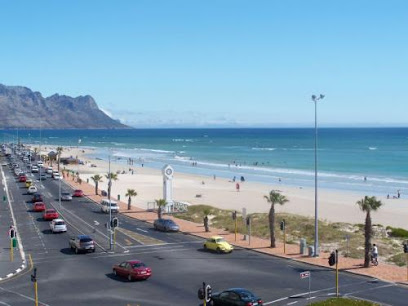
One of the most useful first decisions is choosing an area based on your interests and how you plan to spend your days. The Atlantic Seaboard, including areas along the coastline, is popular for white-sand beaches and scenic drives; the city bowl and nearby suburbs provide convenient access to eateries, museums and markets; and the southern peninsula offers rugged scenery and wildlife experiences. For a quieter stay with direct access to nature, consider lodges or guesthouses in surrounding valleys or coastal hamlets a short drive from the city centre.
When you begin your search for accommodation, look beyond price to consider the following:
- Proximity to your planned activities and transport options, such as MyCiTi bus routes or car rental hubs
- Access to good Wi‑Fi, secure parking if you are driving, and daily housekeeping or self-catering facilities
- Guest reviews and host responsiveness, especially for smaller B&Bs or guesthouses
- Ambience and character, such as heritage homes, modern boutique hotels, or rustic lodges
- Safety, especially in busy districts in the evenings and at popular tourist spots
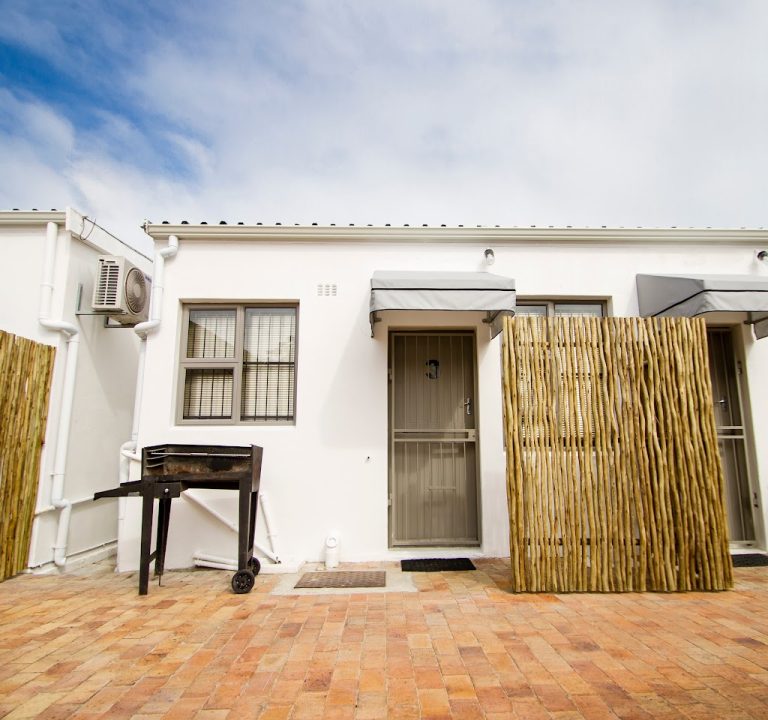
Typical amenities you might encounter include en-suite bathrooms, air conditioning or heating, breakfast service, on-site parking, and access to communal lounges or terraces. If you’re staying in a B&B or guesthouse, a hearty breakfast can be a real highlight, providing a welcome start before a day of adventures. For longer stays, self-catering options, kitchen facilities, and laundry services can be particularly convenient.
Transport in Cape Town is straightforward but can vary by area. Trams or buses connect central districts with beaches and waterfront sights, while road travel gives you flexibility to visit places like the Cape Winelands, Table Mountain, or the Cape Peninsula at your own pace. If you plan to explore widely, a car offers the most freedom, though some guests prefer easy access to taxis or rideshare services in central neighbourhoods. When booking near popular sights, confirm parking arrangements and any access restrictions for peak times.
The best time to visit Cape Town depends on what you want from your trip. Summer (December to February) brings warm days ideal for beaches and outdoor markets, but can be busy and windy at peak sites. Autumn (March to May) and spring (September to November) offer mild weather, comfortable for outdoor dining and short hikes. Winter (June to August) can be cooler and wetter, yet many museums, galleries and urban markets are less crowded. Regardless of season, mornings and late afternoons are often the best times for outdoor activities and photography, with clearer light over the city’s mountains and coastline.
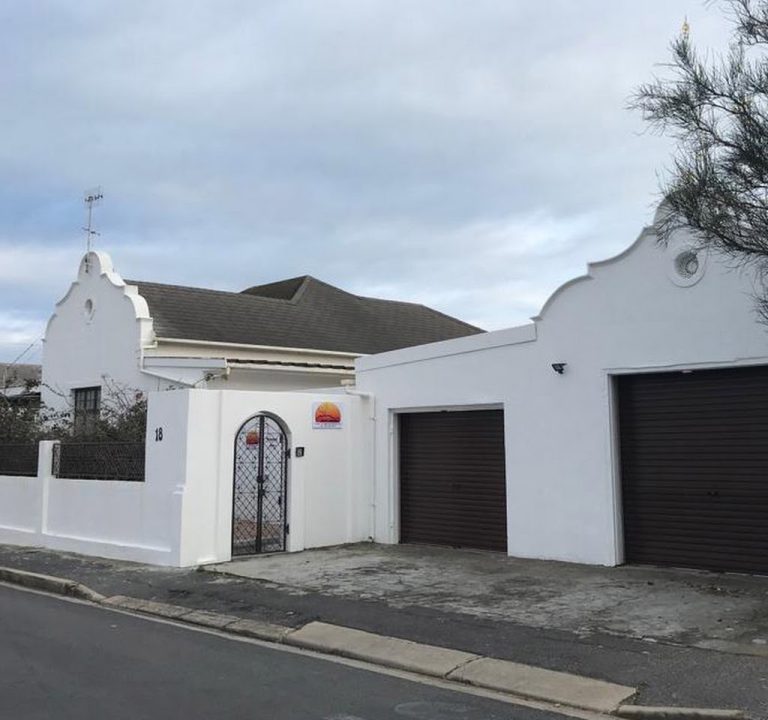
For accommodation in Cape Town, a characterful bed & breakfast such as Emmanuel Guest House (where applicable) can provide a friendly, local welcome with cosy, personalised touches. Boutique hotels in historic or scenic locations can offer refined service and curated experiences, while guesthouses and self‑catering options provide a homely feel and practical conveniences for families or groups. Consider whether you’d prefer a quiet retreat with a direct beach view, or a central base close to eateries, markets and cultural venues.
When planning your days, think about combining iconic sights with leisurely experiences. The city is known for its dramatic natural backdrop, offering opportunities for scenic drives, short hikes, or cable-car rides that reveal panoramic views. Cultural experiences can range from museum visits and street art tours to markets showcasing local crafts and flavours. Food lovers can explore a spectrum of dining options, from casual seafood shacks along the coast to contemporary restaurants serving inventive South African cuisine. Look for neighbourhood dining districts that balance access to fresh produce, local coffee shops, and relaxed atmospheres.
Practical tips to help you get the most from your stay:
- Book accommodation with flexible cancellation when possible, especially during uncertain weather or peak travel times.
- Check the neighbourhood vibe before booking—some areas are lively and bustling at night, while others are more tranquil after dark.
- Pack adaptable clothing for indoor and outdoor experiences, and bring a light rain jacket for unpredictable showers.
- Plan a few core activities and leave space for spontaneous discoveries, such as a sunset cruise or a wine-tasting excursion in the nearby Winelands.
- Use official tourism resources for up-to-date information on safety, transport, and seasonal events. Useful links include capetown.travel and other reputable travel guides.
For further inspiration on places to stay and things to do, you can explore general information about Cape Town’s attractions, dining districts, and visitor experiences on official tourism websites and regional guides. This will help you tailor a stay that matches your interests—whether your focus is natural beauty, gastronomic adventures, or cultural discovery—and ensure you make the most of your time in the Mother City.