Exploring Johannesburg: Where to stay, how to plan, and what to see
Johannesburg, or Jo’burg as it is affectionately known, offers a dynamic mix of modern city living, heritage, and easy access to nature and culture. When planning a stay in Gauteng’s largest city, it helps to think about the area you choose, the type of accommodation that suits your needs, and the pace you want for your visit. From chic guesthouses to family‑friendly lodges and contemporary hotels, there are options to fit most itineraries and budgets.
Areas to consider for accommodation range from central business district neighbourhoods with easy access to corporate hubs and museums, to north‑east and northern suburbs prized for leafy streets, malls, dining and a more residential ambience. The surroundings of the city centre offer walking proximity to cultural institutions, markets and fusion eateries, but you may also find a calmer stay in inner‑city suburbs with a village feel. For a longer break with children or for a focus on shopping and family activities, consider lodges and guesthouses in well‑tree’d northern precincts or close to major shopping centres. If you are visiting for business, proximity to transport links and conference venues can be a practical deciding factor.
When selecting a property, look for comfort and convenience in equal measure. Key amenities often include reliable Wi‑Fi, secure parking or good public transport access, in‑room dining or breakfast options, and a friendly reception or concierge service. Many boutique stays offer personalised touches such as regional guidance, home‑made breakfasts, and curated recommendations for day trips. For longer stays, apartment‑style lodgings with kitchen facilities can be economical and convenient, while traditional guesthouses and lodges frequently provide a social atmosphere and local hospitality that can enhance your experience of the city.
Transport in Johannesburg is well served by a network of taxis, ride‑hailing services and car hire, with a number of areas offering direct access to major roads. If you plan to use public transport, check how easy it is to reach attractions and dining districts from your accommodation. Some areas are safer and more pedestrian‑friendly than others, so it is sensible to choose a property with good security arrangements and well‑lit corridors if you expect to walk after dark. A central location can reduce travel time between activities, while a suburban stay may provide a quieter base and easier parking for a car.
Best time to visit Johannesburg depends on what you hope to do. The city enjoys a temperate climate, with warm summers and mild winters. Spring and autumn are popular for outdoor exploration and city walks, while the winter months can be pleasant for museum visits and indoor experiences. If you are venturing into nearby nature reserves or taking day trips to surrounding towns, planning with daylight hours in mind is wise, as some attractions are more enjoyable in good light and cooler temperatures.
There are many attractions and experiences to frame a visit without committing to a fixed itinerary. Museums, galleries and historical precincts offer insight into South Africa’s complex past and contemporary culture. Markets and neighbourhood eateries provide opportunities to sample local flavours and meet residents. For families and outdoor enthusiasts, parks, nature reserves and scenic viewpoints can be highlights, while city vantage points and guided tours offer perspectives on Johannesburg’s skyline and its evolving neighbourhoods. In terms of dining, the city ranges from casual eateries to refined venues, with a focus on diverse cuisines that reflect its multicultural community. When planning, consider pairing a cultural afternoon with a relaxed evening meal in a district known for its vibrant atmosphere and excellent hospitality.
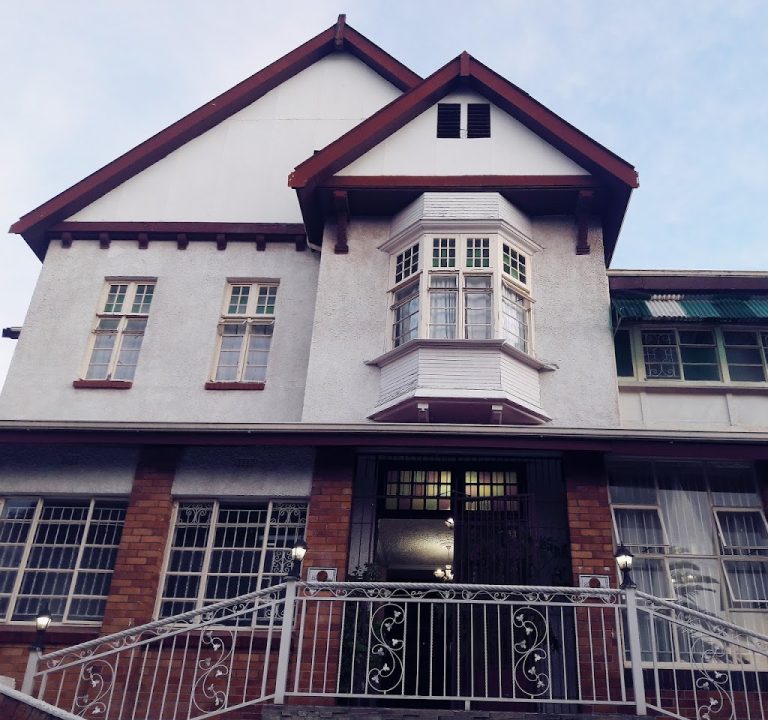
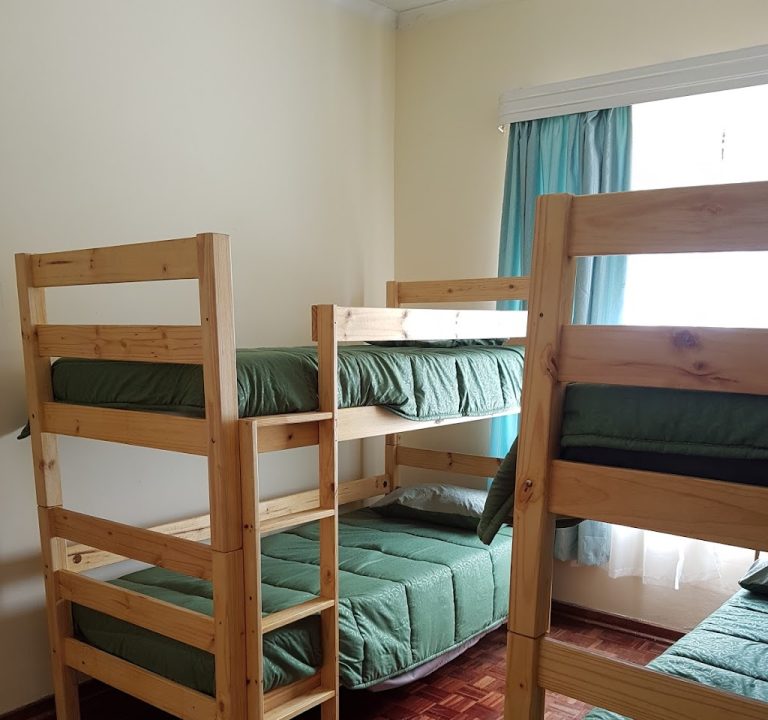
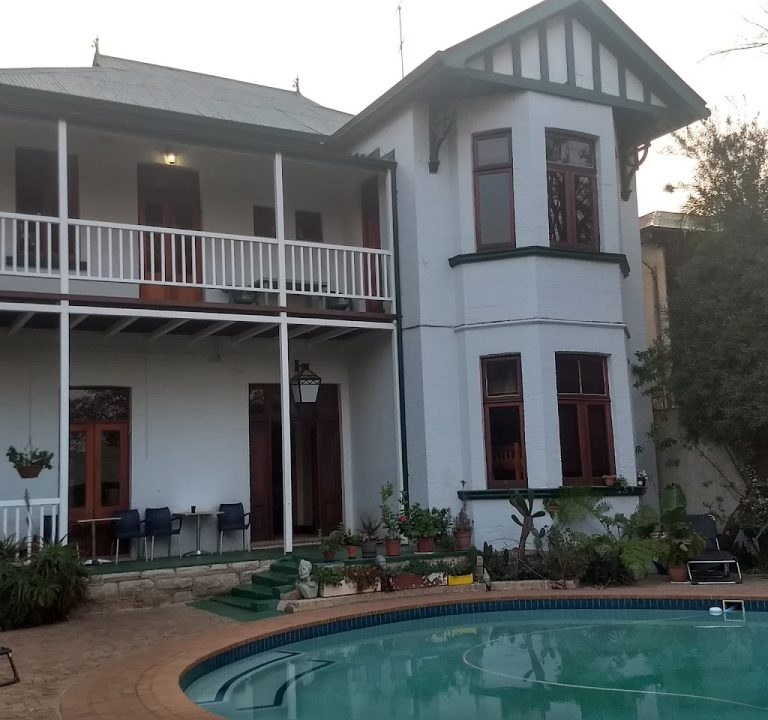
For those seeking lodging with a distinctive character, consider properties that emphasise comfort, accessibility and clean, well‑maintained spaces. A well‑run lodging can provide practical guidance on local transport, must‑see spots, and practical tips for visitors, from recommended routes to visit times for popular districts. An example of a local lodging option is Eastgate Palms Lodge, which offers a thoughtful base for exploring the city and surrounds. Visitors can explore the adjacent precinct for shopping, dining and easy transit links, while returning to a welcoming, well‑equipped room after a busy day. For more information, you can visit the property’s website: Eastgate Palms Lodge.
Tips to help you plan your Jo’burg stay:
- Choose a base with easy access to the city’s major transport links and a safe, walkable neighbourhood after dark.
- Look for flexible booking terms, especially if your plans may shift or you want to extend your stay.
- Check for a balance of communal and private spaces in the accommodation, depending on whether you want social interaction or quiet downtime.
- Assess kitchen facilities if you prefer self‑catering or a quick breakfast before a busy day.
- Plan day trips well in advance if you intend to visit surrounding towns or nature reserves—these can be distance‑ and time‑dependent.
In summary, Johannesburg rewards curious travellers with a mix of comfort, culture and easy navigation. By choosing a well‑located lodging that aligns with your pace, and by planning with practical transport and time in mind, you can make the most of a stay in Gauteng’s vibrant capital. Whether you favour a stylish boutique stay, a family‑friendly lodge or a convenient city centre hotel, the city offers a range of options to make your visit memorable. For practical planning, always check recent guest reviews, confirm what is included in breakfast or dining options, and review the access routes from your chosen accommodation to the city’s key attractions.