Accommodation and Attractions in Johannesburg, Gauteng
Johannesburg is a dynamic gateway to Gauteng, blending a vibrant urban scene with rich history and easy access to the wider province. When planning a stay, consider areas that suit your pace and interests, from the buzzy inner-city precincts to leafy north‑eastern suburbs and culturally rich townships nearby. Whether you prefer a characterful hostel, a boutique guesthouse, or a modern hotel, Johannesburg offers options to match a range of budgets and travel styles.
Areas to consider for accommodation start with central pockets such as Braamfontein, Maboneng and Newtown, which are popular with travellers who want easy access to eateries, nightlife, theatres and street art. Sandton and Rosebank are convenient for business travellers and families seeking a quieter base with well‑established shopping and dining. Parkhurst, Melville and Greenside offer a village‑like atmosphere with dedicated dining streets and boutique stays. For a deeper cultural experience, Soweto and the inner‑city precincts reveal South Africa’s turbulent history and contemporary creativity, though it’s wise to choose well‑appointed, security‑conscious options and to plan your itineraries with transport in mind.
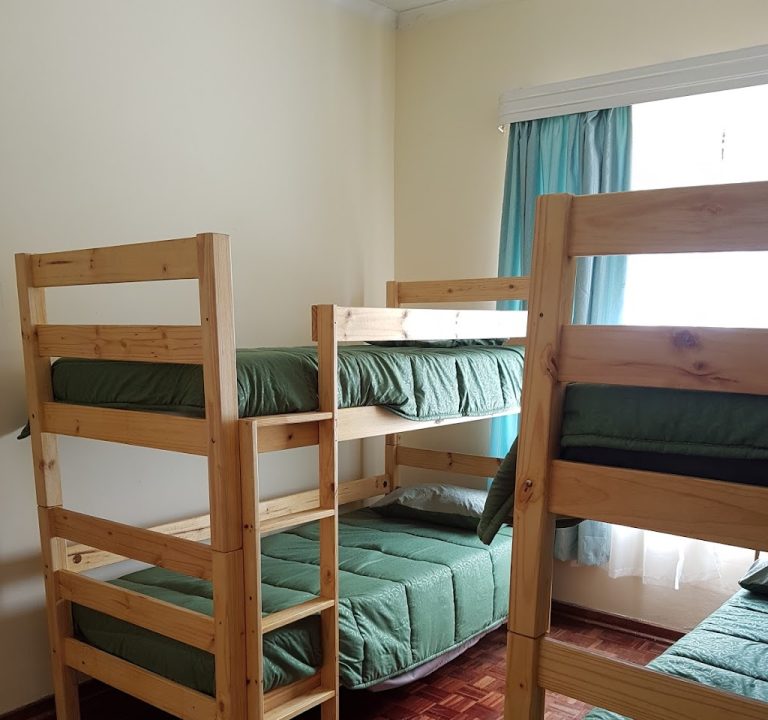
When choosing accommodation, think about what you value most: location relative to your must‑see sights, access to reliable transport, and the level of security and onsite facilities. Many places in Johannesburg provide secure parking, 24‑hour reception, continental breakfasts or self‑catering facilities, and recommendations for local tours. If you are staying in a hostel, you might find shared kitchens and social spaces ideal for meeting other travellers; for families or longer stays, a guesthouse with en‑suite rooms or a small apartment can be more comfortable.
Typical amenities to look for include strong Wi‑Fi, air conditioning or ceiling fans, private bathrooms, laundry facilities, and security features such as controlled access or on‑site security. Practical extras such as a cosy lounge, a well‑stocked kitchen, and reliable transit information can make a big difference to your stay. If you plan day trips, check if the property can help arrange guided tours or airport transfers, or whether there are convenient pick‑up points for popular excursions.
Transport is a key consideration in Johannesburg. The city relies on a mix of rail, road and ride‑hailing services. The Gautrain is a fast, reliable option linking Pretoria, OR Tambo International Airport and Sandton, while Metrorail and other rail services connect often to outlying suburbs. Within central Johannesburg, taxis, ride‑hailing apps and walking can be practical, but it’s wise to plan for longer travel times during peak hours and to stay aware of personal security guidelines when moving around after dark. If you are renting a car, ensure you understand parking rules in your chosen neighbourhood and consider hotel or guesthouse parking policies in advance.
The best time to visit Johannesburg depends on what you want to do. The city enjoys a temperate climate with warm summers and mild, dry winters. Spring (September to November) and autumn (March to May) bring pleasant weather for outdoor exploring and street markets, while the winter months can be cooler and drier. South Africa’s late summer thunderstorms are a feature of the seasonal pattern, so plan outdoor activities with a flexible mindset. For those seeking cultural experiences, aligning stays with local markets, gallery openings, and performances can enrich your visit.
Top experiences and attractions in and around Johannesburg are varied and accessible with sensible planning. Museums, historic sites, and exhibitions provide context to the city’s complex past and present. The city’s historic townships offer guided tours that illuminate daily life, music, cuisine and community projects. In the city centre and surrounding precincts, you’ll find modern art galleries, rooftop bars, and contemporary cuisine that reflects Johannesburg’s creative energy. For families and outdoor lovers, nearby parks, botanical gardens and scenic promenades offer restorative escapes from the urban pace. A visit to a major cultural or heritage site will typically be paired with nearby cafés and casual eateries where you can sample local flavours and unwind after a day of exploring.
Dining across Johannesburg ranges from casual street‑side venues to refined restaurant scenes. In addition to exploring districts known for their culinary diversity, you’ll find eateries that showcase traditional South African flavours alongside international fare. When planning meals, consider trying a neighbourhood café or a casual bistro that uses seasonal ingredients and emphasises relaxed hospitality. If you’re looking for local shopping and dining hubs, many districts offer vibrant markets, casual eateries and creator‑led concepts that celebrate the city’s multicultural energy. For more inspiration and practical planning, you can consult regional tourism resources and city guides online.
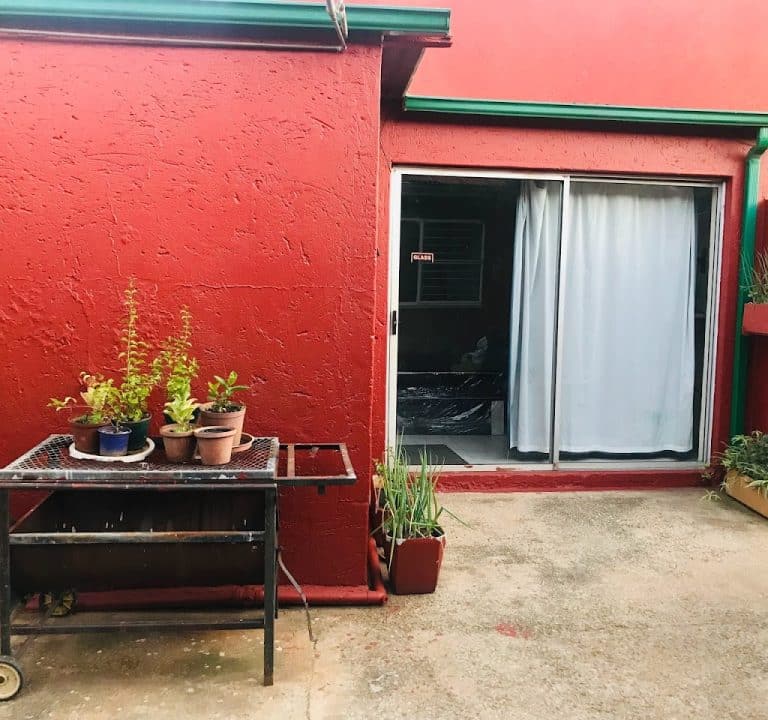
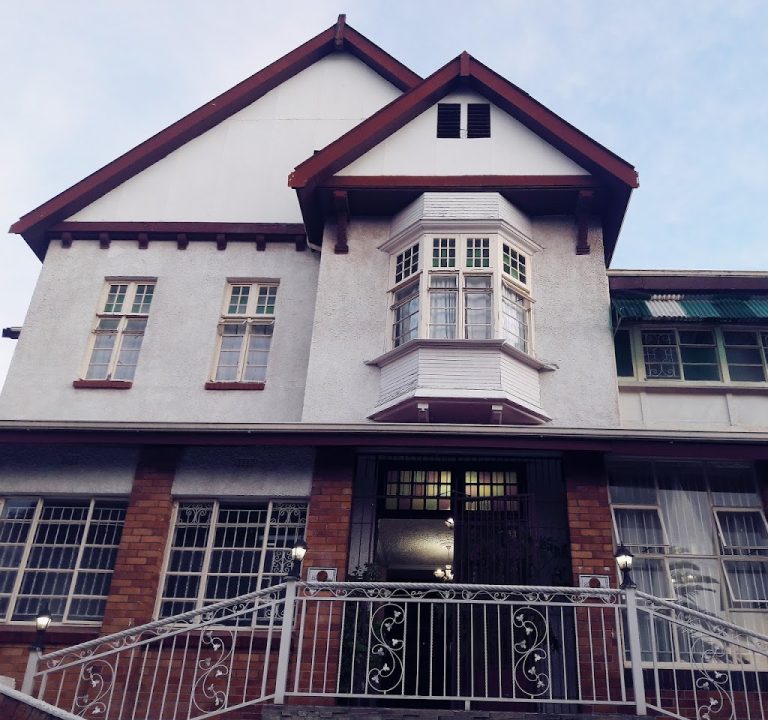
Accommodation options you might encounter include purpose‑built hostels such as those focused on social and budget‑friendly stays, guesthouses that offer a more private and intimate atmosphere, and mid‑range hotels that balance comfort with convenience. Regardless of type, a well‑located property near major transport links or distinctive neighbourhoods can save time and enhance your itinerary. For those drawn to a social, budget‑friendly base with a sense of place, a hostel like 59 on Eighth can offer a convenient starting point within a lively area, while still granting access to the city’s broader highlights. Always review recent guest reviews and safety notes, and check cancellation policies before finalising bookings. For more information on Johannesburg’s attractions and practical travel planning, see regional tourism portals and official city guides: https://www.southafrica.net and https://www.joburgtourism.com
- Plan your stay around a few anchor neighbourhoods to minimise daily travel time.
- Choose accommodation with secure access, reliable Wi‑Fi, and clear information on transport links.
- Pack for changeable weather and avoid peak traffic hours when planning longer trips.