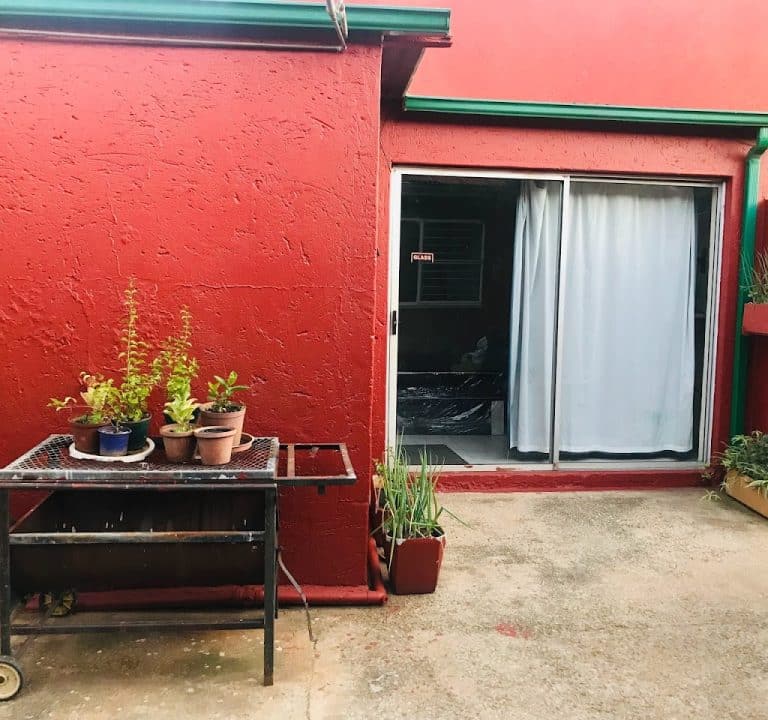
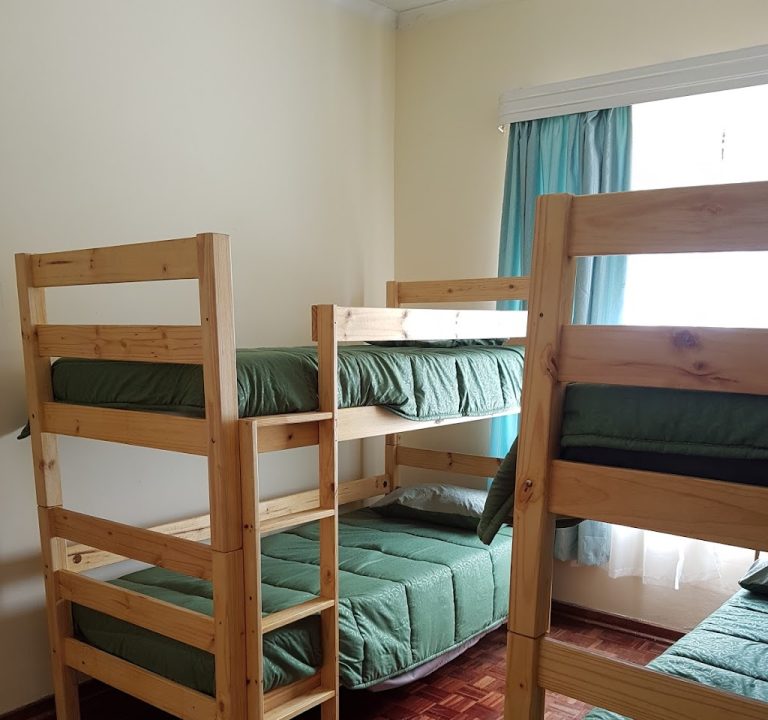
Souse of Shaaron: A guest house in Johannesburg – stay, explore, and dine in Gauteng
Johannesburg offers a vibrant mix of neighbourhoods, cultural energy and easy gateways to the wider Gauteng region. When planning a stay at a guest house or small hotel, travellers benefit from choosing a location that matches their interests—whether it’s the creative buzz of inner-city districts, the upmarket convenience of suburbs with easy access to business hubs, or safer, leafy areas with good transport links. A well-chosen base can make the difference between a rushed itinerary and a relaxed, authentic experience.
Consider starting your search with a few well-connected areas. In the city centre and surrounding districts, you’ll find guest houses tucked above cafes and galleries, offering a neighbourhood vibe and walkable routes to markets, street art, and museums. Sandton and Rosebank provide a polished balance of shopping, dining and easy road or rail links to the northern suburbs. Maboneng and Braamfontein are renowned for their creative scenes, small venues, and lively restaurant clusters, while Newtown combines cultural institutions with a compact, walkable footprint. If you prefer a residential feel with quick access to parks and green spaces, look toward suburban suburbs such as Fourways, Greenside, or Melville, where guest houses often blend comfort with the feel of a local neighbourhood.
What to look for when booking a guest house or small hotel in Johannesburg
- Location and access: Proximity to Gautrain stations, major highways and safe, well-lit streets at night.
- Room types and privacy: En-suite facilities, sound insulation, and the option for a self-contained unit if you value independence.
- Amenities: Reliable Wi‑Fi, secure parking, a good English-speaking staff presence, and practical touches such as a coffee/tea station and a well-equipped kitchenette if staying longer.
- Public transport and transfer options: Easy access to buses, local taxis, rideshare services, and planned day trips to surrounding towns.
- Security and comfort: Adequate lighting, secure entrances, and visible safety measures, particularly in central districts after dark.
- Breakfast and dining options: Whether breakfast is included, and if there are on-site options or nearby cafés and markets for easy daytime dining.
- Flexibility and policies: Clear check-in/check-out windows, cancellation terms, and policies on late arrivals or extra guests.
Typical amenities you might expect in a guest house or boutique hotel in Johannesburg include free Wi‑Fi, daily housekeeping, comfortable bed linens, and a well-appointed communal or dining area. Some properties offer terraces or courtyards, from which you can relax after a day of sightseeing. In the cooler months, a well-placed heater or under-floor heating and thoughtful lighting can make a big difference. For longer stays, a kitchenette or a small lounge area helps guests feel at home. When booking, read guest reviews carefully to gauge the consistency of service, cleanliness, and what recent visitors have found most useful about the property.
Getting around and practical planning tips
Johannesburg’s size means transport planning matters. The Gautrain provides quick connections to Pretoria and OR Tambo International Airport, while local taxis and rideshares are convenient for shorter journeys. If you’re staying in the inner city or central districts, you’ll often be within walkable distance of cafes, markets and galleries, but for day trips to Soweto, the Cradle of Humankind, or the Magaliesberg, a guided tour or a rental car can simplify travel. If you prefer not to drive, check whether your accommodation offers shuttle services or partnered transport options.
When to visit: The city enjoys a temperate climate with a distinct dry season. Spring (September to November) and autumn (March to May) are pleasant for outdoor exploration, with blooming gardens and milder temperatures. Summer can be lively but occasionally hot and rainy, while winter is generally mild with cooler evenings. Consider your plans for outdoor markets, open-air venues, and long daylight hours when choosing dates.
Dining and experiences to consider during your stay
Johannesburg has a thriving dining scene that ranges from modern fusion addresses to casual eateries serving traditional favourites. In central and northern areas, you’ll find small brasseries, popular coffee shops, and diverse cuisines that reflect the city’s cosmopolitan fabric. For a taste of local life, explore markets and street-food stalls that showcase regional produce, artisanal products and unique South African flavours. In addition to meals, many guest houses offer curated experiences such as art walks, neighbourhood tours, or coffee tastings, which can add a memorable dimension to your visit without needing to plan every detail in advance.
Practical tips for a smooth stay
• Pack a light jacket or shawl for evening outings and air-conditioned interiors, which can feel chilly in some venues.
• Carry a small umbrella for sudden showers and a reusable water bottle for day trips.
• Check the property’s policies on late arrivals and access to the building after hours.
• Bring a copy of travel documents and a digital wallet for payments where accepted.
• Respect local safety guidelines and seek advice from your host about areas to visit at night.
For those seeking inspiration and practical planning resources, Johannesburg’s tourism pages and city information sites offer broad overviews of neighbourhoods, safety considerations, and transport options. A well-chosen guest house can be your comfortable base from which to discover the city’s dynamic arts scene, its diverse dining, and the wider Gauteng region. Whether you’re drawn to the urban core or a more relaxed suburban vibe, Johannesburg is a city of contrasts, where thoughtful accommodation choices translate into a richer travel experience. For more ideas, explore general travel suggestions at reputable city or regional tourism sites: Johannesburg Tourism and other official guides online.