Accommodation and Experiences in Johannesburg, Gauteng
Johannesburg is a dynamic hub of culture, history and urban energy, offering a range of stays from stylish boutique hotels to welcoming hostels. When planning a visit, consider the different neighbourhoods and the type of experience you want—from central city convenience to leafy, quieter pockets. A well-chosen base can make day trips and sightseeing feel effortless, with easy access to public transport, dining options and practical conveniences.
Areas to consider include the central core around Braamfontein, Maboneng and Newtown, which offer a vibrant mix of studios, cafés and nightlife, along with easy access to the city’s key museums and markets. Rosebank and Sandton provide a mix of higher-end hotels and modern apartment-style stays, with shopping, galleries and business facilities nearby. For a more laid-back vibe, Melville and Greenside offer a bohemian atmosphere with independent eateries and local character. If you’re seeking easy access to outdoor and nature-based experiences, northern suburbs like Randburg or Fourways can be convenient. When choosing accommodation, assess proximity to your planned sights, as traffic in Johannesburg can be heavy at peak times.
Budget-conscious travellers will find a range of hostels and guesthouses that prioritise communal spaces and social atmospheres, while families and business travellers may prefer modern hotels with reliable amenities such as reliable Wi‑Fi, on-site dining and secure parking. In many areas, you’ll find guesthouses and boutique properties that blend contemporary comfort with local character, sometimes housed in historic buildings. For a starter option, a well-reviewed hostel in a central location can be a practical base for exploring the city, especially if you want to meet other travellers and keep costs contained.
What to look for when booking:
- Accessibility and transport links: proximity to major roads, bus routes, or train stations like the Gautrain stations and city rail networks.
- Security and access: reception hours, secure entry, and on-site staff or security features.
- Room configurations and privacy: options for double or twin rooms, en-suite facilities, or shared facilities in a hostel.
- Amenities: reliable Wi‑Fi, practical workspaces, laundry services, kitchen access, and parking if you’re driving.
- Neighbourhood character: whether you prefer a bustling urban area with nightlife or a quieter residential street near parks and cafés.
Typical amenities you may encounter include 24-hour reception, free or paid Wi‑Fi, communal kitchens or dining spaces, laundry facilities, air conditioning or fans, and sometimes a small on-site café or bar. In central areas, some properties offer compact rooms with compact bathrooms, while boutique properties may provide more spacious layouts and stylistic touches. If you’re planning longer stays, look for self-catering options or apartment-style units that offer additional convenience and cost efficiency.
Transport and getting around are practical considerations. Johannesburg’s public transport includes rail links, buses and ride-hailing services. If you’re renting a car, verify parking arrangements and access routes to the property. For day trips, popular options include the Apartheid Museum, Gold Reef City, the Constitution Hill precinct, and the markets and galleries that characterise the city’s creative districts. A good stay will balance easy local exploration with restful retreat time back at your accommodation.
Best time to visit Johannesburg tends to be in the South African spring and autumn, when temperatures are comfortable and rainfall is lower. However, the city has year-round appeal, with indoor museums and galleries offering reliable experiences during wetter periods. Consider scheduling outdoor experiences for morning hours to enjoy milder temperatures and quieter streets, especially on weekends when popular areas can become busy.
Practical tips for travellers staying in Johannesburg:
- Plan your days around traffic patterns and peak hours, especially if you are on a tight schedule.
- Keep valuables secure and use hotel or hostel safes where available.
- Check local health and safety guidance, and have a plan for weather variations, including sunscreen or rain gear.
- Respect local customs and be mindful of areas that are more residential or quiet after dark.
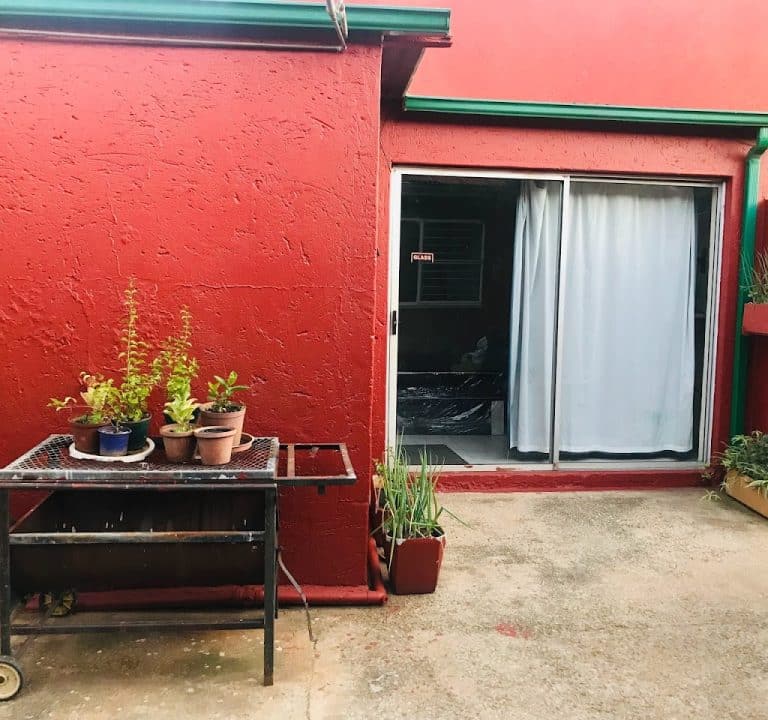
One notable option in the budget to mid-range category is Dusk Till Dawn Backpackers Lodge, a hostel that emphasises community and practical accommodation. It provides a straightforward base with shared spaces and easy access to the city’s core sights. More information can be found on its official website: Dusk Till Dawn Backpackers Lodge.
Food and dining in Johannesburg range from bustling food markets to refined restaurant districts. In the central area and urban precincts, you’ll encounter casual eateries, bistros and local cafés offering everything from hearty South African dishes to contemporary international cuisine. Visitors should allow some time to explore neighbourhoods known for their culinary scenes, where tasting menus, street-food-inspired bites and artisanal coffee can be found in close proximity to boutique shops and galleries.
When planning a stay, consider a balanced itinerary that includes a couple of landmark museums or cultural hubs, a neighbourhood stroll to observe street art, and a relaxed day for markets or green spaces. By pairing well-chosen accommodation with thoughtful day planning, your Johannesburg visit can be comfortable, immersive and conveniently paced, allowing you to experience the city’s dynamic energy while returning to a welcoming home base each evening.