Accommodation and planning for a stay in Johannesburg, Gauteng
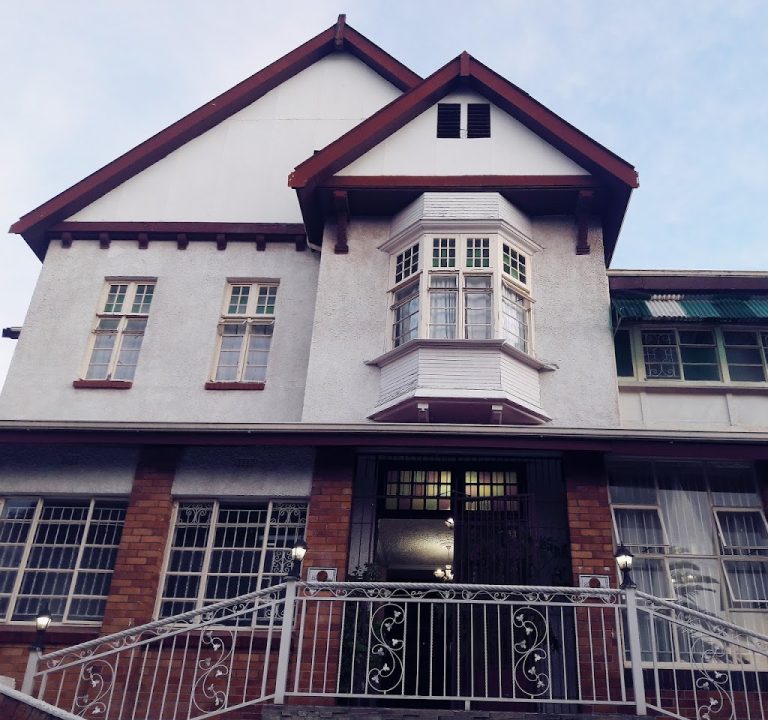
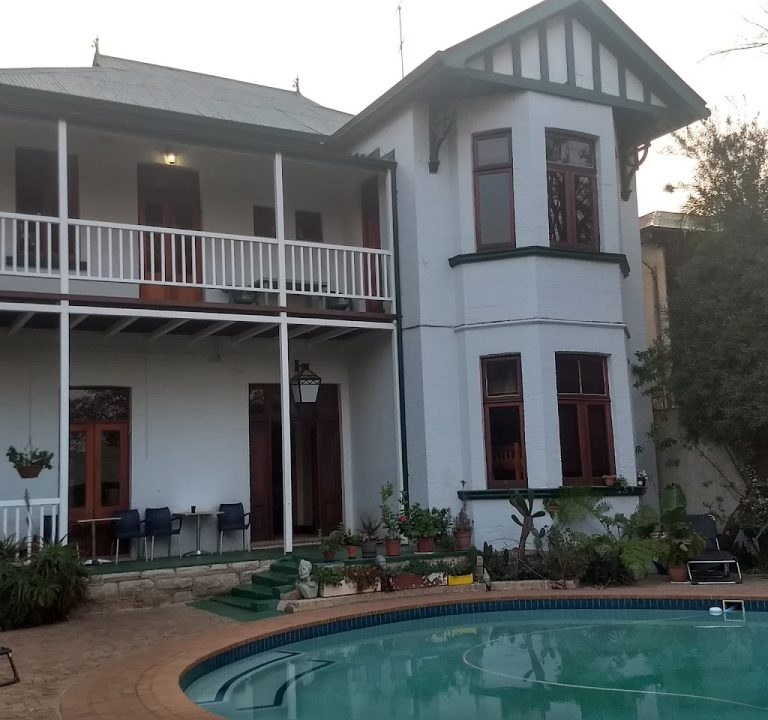
Johannesburg offers a diverse range of places to stay, from boutique guesthouses tucked in leafy suburbs to contemporary hotels in bustling city pockets. When choosing where to book, consider what your stay will prioritise: convenient access to sights, a neighbourhood with eateries and nightlife, or a quieter base for day trips. The city presents a mix of intimate BnBs, stylish guesthouses, and larger lodges, many of which specialise in a hospitable, traveller-friendly experience with a personal touch.
Areas to consider for your stay include the northern suburbs, which tend to offer a polished, well-serviced environment with reliable transport links. For a more urban, up-and-coming vibe, the inner-city districts provide easy access to galleries, markets and local eateries. If you’d prefer a quieter residential feel while still remaining within reach of attractions, look to districts that balance safety with character and easy access to parks and green spaces.
When booking, check for essential amenities that can make a stay smoother. A good guesthouse or boutique hotel will typically offer secure parking or convenient public transport access, free Wi-Fi, air conditioning or heating as appropriate for the season, and a generous breakfast option or tie-ins with nearby cafés. A well-run establishment will also provide clear guidance on local transport, airport transfers or ride-sharing availability, and helpful tips on navigating the city safely.
Below are common features travellers value. Look for these when comparing options to ensure your stay matches your needs:
- En-suite bathrooms with reliable hot water and good water pressure
- Flexible check-in/out arrangements or 24-hour reception
- On-site dining options or curated recommendations for nearby eateries
- Security measures such as secure entrances and parking
- Quiet rooms or soundproofing in busy districts
- Helpful, knowledgeable staff who can provide local tips
Transport is a key planning factor in Johannesburg. If you plan to stay outside the city centre, a car or hire car can be convenient, especially for day trips to nearby attractions. Public transport exists in the form of suburban rail and dedicated Gauteng services, but for most visitors, rideshare apps or organised transfers are practical and widely used. When staying in central or popular zones, many accommodations offer easy access to on-foot exploration and to guided tours. If you intend to explore widely, consider a property near a rail link or a reliable transit hub to minimise daily travel time.
Best time to visit Johannesburg depends on your priorities. The city experiences a warm to hot summer with thunderstorms, and drier, cooler winters. Spring (September to November) and autumn (March to May) are often pleasant for outdoor activities and city walks, while the summer months can be lively with markets and events, albeit with afternoon thunderstorms. If you’re planning outdoor safaris or day trips to nearby nature reserves, check seasonal weather forecasts and plan for afternoon heat or sudden showers. Be mindful of air quality during peak winter inversions in some years, and always have a light layer for cooler evenings in the city’s higher elevations.
Nearby attractions and experiences are easy to weave into a stay. In broad terms, visitors typically balance a mix of cultural venues, markets, green spaces and modern city life. Expect opportunities to learn about the country’s history and contemporary art scenes, enjoy street-food and café culture, and access scenic parks and viewpoints. When planning your itinerary, allow time for both curated tours and independent exploration, so you can discover hidden courtyards, local eateries and craft shops alongside must-see sights common to Johannesburg.
Practical tips for a smooth visit:
- Do some advance research on neighbourhood safety and preferred routes between sites.
- Pack adaptable clothing for warm days and cooler evenings, especially in elevated areas.
- Bring a universal adaptor and a small spare bag for day trips or markets.
- Request a map or guesthouse guide with transit options and top neighbourhood picks.
- Check cancellation policies and any early-check-in options in case of travel delays.
- Respect local customs and modest dress when visiting certain areas or venues.
When it comes to dining and nightlife, Johannesburg offers an abundance of casual and refined options. In general terms, you’ll find lively markets, bistros, and restaurants that emphasise fresh, regional produce and seasonal menus. If you prefer variety, look for accommodation that can point you toward a neighbourhood with a mix of coffee shops, casual cafés and eateries offering quick meals or leisurely dinners. Many properties also host social spaces or provide recommendations for a stroll after dark, with safety considerations in mind.
For more inspiration and practical planning resources, consider browsing official tourism portals and city guides. They can help you identify comfortable, well-reviewed stays and connect you with curated experiences that align with your interests, whether that is heritage walks, art districts, or local cuisine tastings. A well-chosen base in Johannesburg sets the tone for a rewarding visit, enabling you to enjoy the city’s energy while returning to a restful, welcoming home each evening. For further information, you may wish to explore official tourism sites and accommodation directories to compare options and read guest feedback.