Planning a stay in Johannesburg: where to stay, what to expect and how to make the most of it
Johannesburg, often the first glimpse of South Africa for many visitors, is a vibrant city of contrasts: leafy suburbs, dynamic urban precincts, and a rich tapestry of cultural experiences. When choosing accommodation, consider the areas that align with your interests and pace. The northern suburbs tend to offer quiet, secure stays and easy access to good road links; the central and inner-city areas provide a livelier scene with a growing number of stylish boutique stays and hostels; and the southern and eastern districts reveal a more diverse, community‑focused atmosphere with easy transit connections to exciting day trips. For a first visit, a mixed approach—one centrally located base for daily exploration and a quieter neighbourhood for respite—can work well.
When booking, think about what matters most to you. If you’re travelling light and prioritise quick access to sights, a central location with reliable transport links is worth prioritising. For a family or longer stay, mid‑price apartment‑style options with separate living space, a small kitchen and laundry facilities can offer real convenience. For travellers on a budget, hostels and guesthouses provide social atmospheres and practical amenities, often at a lower rate than full-service hotels. Always check recent guest reviews for consistency on cleanliness, security and noise levels, and verify what is included in the rate (breakfast, parking, 24‑hour reception, security measures).
Typical amenities to look for include free Wi‑Fi, air conditioning or heating suitable for Johannesburg’s seasonal changes, on‑site security or controlled access, a well‑equipped kitchen or kitchenette if you plan to cook, and convenient parking. A robust breakfast option can save time in the mornings, while a 24‑hour reception or a secure access system makes late arrivals less stressful. If public transport is important, choose properties that are near taxi routes, bus lines or rail links, and confirm whether the establishment offers airport transfers or shuttle services. A useful tip is to ask about nearby supermarkets, pharmacies and late‑opening eateries so you can maximise every day without unnecessary detours.
Transport in Johannesburg is varied. The city has a network of roads, Metrorail and a growing ride‑hailing footprint. If you plan day trips—such as visiting large parks, museums, or certain historical neighbourhoods—check the transport options from your base. Some neighbourhoods are best explored on foot or by short rides, while others benefit from a car or reliable rideshare access. For guests who intend to spend evenings out, ensure your accommodation offers safe pedestrian routes or easy late‑night transit options back to your room. Practical planning also includes knowing local safety considerations and keeping valuables secure, particularly in busy city areas.
The best time to visit Johannesburg depends on your priorities. Spring (September to November) and autumn (March to May) offer mild weather and quieter crowds, making sightseeing pleasant. Summers can be warm and occasionally rainy, which suits travellers who enjoy vibrant outdoor markets and parks, while winter (June to August) is cooler and drier, with crisp mornings ideal for city walks and museum visits. If your schedule is flexible, consider mid‑week stays, which can yield better room rates and a calmer base for exploring.
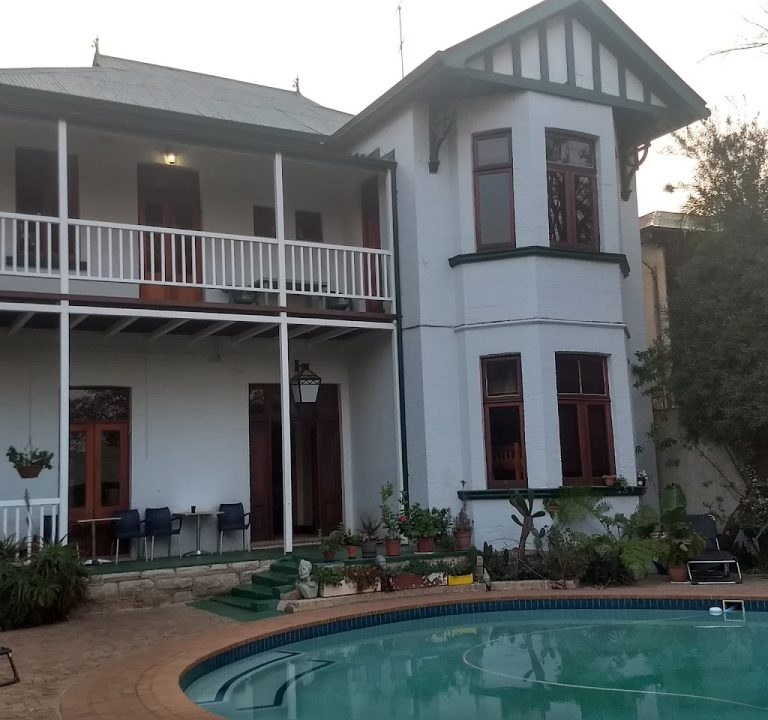
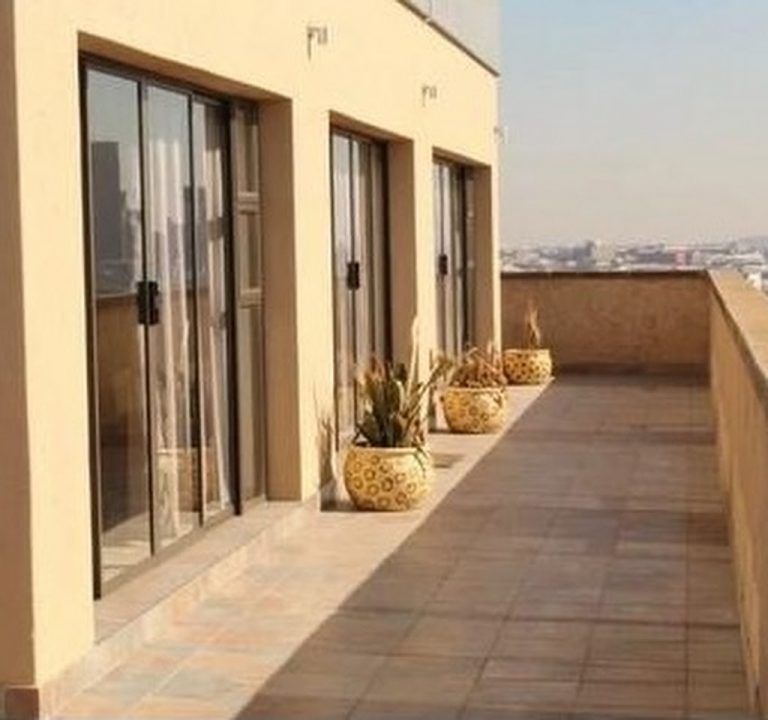
Accommodation types vary to match different tastes and budgets. Boutique guesthouses and stylish B&Bs often provide characterful rooms, personalised service, and a chance to connect with local hosts who can offer insider recommendations. Hostels and budget‑friendly offerings are good choices for solo travellers or groups wanting social spaces and shared facilities. For families or longer trips, serviced apartments or self‑catering lodges in secure complexes offer space and convenience. When you book, confirm the security provisions of the building, whether there is 24‑hour reception, and what the cancellation policy is in case plans shift.
Eating out in Johannesburg ranges from casual bistros to contemporary eateries that showcase South African and international flavours. In general, you’ll find vibrant markets, coffee culture, and diverse dining options near many accommodation hubs. If you’re self‑catering, look for locations with accessible grocery stores nearby and consider a place with a small kitchen or kitchenette. For evenings out, plan to spend a little on transport or arrange a safe route back to your base, particularly in unfamiliar neighbourhoods after dark. Johannesburg’s food scene rewards curiosity: try a mix of local favourites and modern interpretations, and leave space for dessert and coffee to round off the day.
Optional: practical planning checklist
- Location: central access to sights versus quiet residential comfort
- Transport: proximity to rail, bus, or rideshare options
- Security: secure access, well‑lit streets, and safety reviews
- Amenities: Wi‑Fi, kitchenette, laundry, parking, and breakfast options
- Cancellation policy and safety of the neighbourhood
- Nearby conveniences: grocery stores, pharmacies, and late‑night eateries
Finally, start planning with a flexible itinerary. Johannesburg has a variety of visitor experiences that fit different interests—from engaging museums and historical precincts to parks, markets, and galleries. By choosing a well‑located base, booking with a clear sense of your must‑see sights, and keeping a practical transport plan, you can enjoy a comfortable stay and a deeper sense of the city’s character. For more ideas and official visitor information, you can consult regional tourism resources and reputable travel guides online.