Where to Stay and What to Do in Johannesburg: A Practical Guide for Visitors
Johannesburg, often simply called Jo’burg or Jozi, offers a lively mix of modern hotels, stylish guesthouses and comfortable, characterful suburbs that make planning a stay enjoyable rather than overwhelming. When choosing accommodation, consider the neighbourhoods that suit your itinerary, access to transport, and the kind of experience you want to maximise—whether it is business convenience, cultural immersion, or family-friendly exploration.
One option to consider is mid-range and contemporary hotels that balance location with modern amenities. A well-situated hotel can act as a reliable base for day trips and short commutes to business districts, museums and markets. For travellers seeking a boutique feel, guesthouses and smaller hotels in trendier districts offer personalised service, often with breakfast included and a sense of local character. If you’re planning a longer stay or travelling with family, serviced apartments can provide ample space and self-catering facilities, helping you to feel at home while you navigate a busy city.
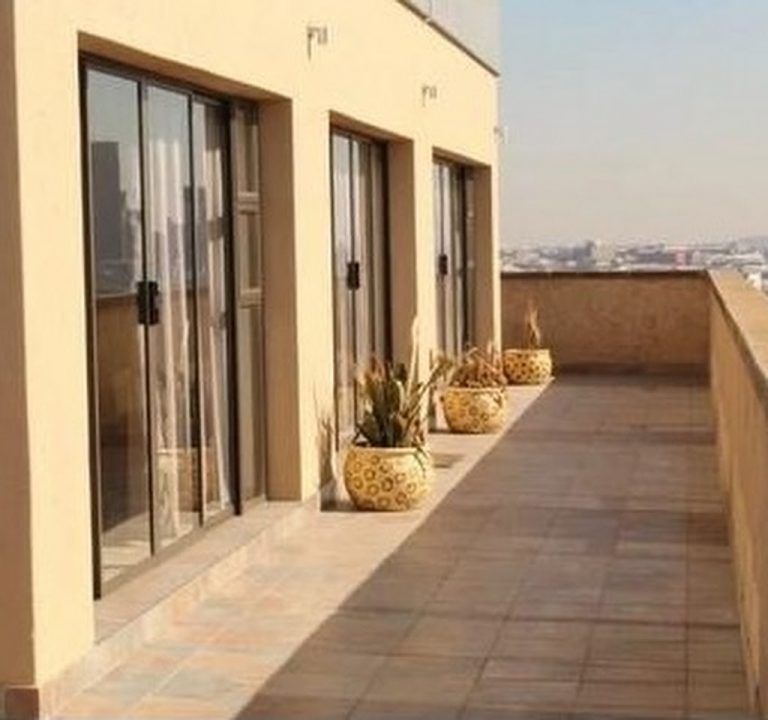
Hotel Oribi, a recognised option within the city’s hotel category, presents a practical example of how to combine comfort with convenience. For potential guests, exploring the property’s official site can offer insight into room configurations, dining options and proximity to notable transport hubs. When reviewing any property, consider how easy it is to reach your planned activities and whether the hotel can assist with transfers or local tips.
Areas to consider when booking your stay include central and business districts for ease of access to meetings and museums, northern suburbs for safer, tree-lined streets and upmarket dining, and the trendy inner-city and township-adjacent zones for a sense of authentic Johannesburg life. Each area has its own vibe, safety considerations, and transport connections, so map out your days and pair them with a suitable base.
- City centre and northern corridors for accessibility to business facilities, major museums and galleries
- Johannesburg’s northern suburbs for stylish hotels and planned shopping zones
- Historical and cultural corridors such as the inner-city areas and their neighbouring townships
- Suburban pockets offering family-friendly stays and easier parking or vehicle access
What to look for when booking includes reliable housekeeping, solid security measures, and clear information about parking and accessibility. If you’re driving or hiring a car, confirm on-site parking arrangements and whether there are any access restrictions in certain areas. For travellers relying on public transport, check proximity to major transport nodes such as train stations or bus routes, and whether the property can arrange safe transfers during late hours.
Typical guest-facing amenities worth prioritising are a good-quality bed setup, in-room climate control, reliable Wi-Fi, a well-equipped kitchenette or continental breakfast, and a responsive front desk. Many properties in Johannesburg also offer on-site dining options, fitness facilities, and small meeting rooms, which can be handy if you’re combining work with leisure. If you’re visiting with children, ask about family rooms, child-friendly menus, and safe play areas nearby.
Transport in Johannesburg is varied and accessible. The city is well-served by a rail network and ride-hailing services, which can be convenient for short hops between sights and dining areas. For visitors staying in central or northern zones, plan your days with a mix of walking and ridesharing to balance time and energy, as traffic can be unpredictable. Consider staying near major shopping centres or business precincts to cut down on transit time.
The best time to visit Johannesburg is associated with its temperate, dry winter season, typically from May to September. These months usually bring cooler evenings and sunny daytime temperatures, making sightseeing and outdoor markets pleasant. The rainy season runs roughly from October to April, and storms can be sudden; still, summer can offer lush landscapes and lively street life. Pack layers, a light rain jacket and comfortable walking shoes, and adjust plans to the weather if you’re exploring outdoor attractions or markets.
When it comes to things to do, Johannesburg offers a rich spectrum of experiences without leaving the city limits. You can explore national heritage and world-class galleries, spend time at large urban parks and gardens, and wander through neighbourhoods known for their street art, cafés and craft markets. Museums and historic sites provide context for the country’s past and present, while modern venues showcase design, fashion and emerging cuisine. In terms of dining, expect a diverse mix of casual eateries, bistros and more refined establishments that reflect the city’s multicultural influences. Rather than focusing on single venues, look for districts with clusters of options so you can stroll between meals and find something new each day.
Practical tips for a smooth trip include booking accommodation with clear cancellation policies, especially if your plans may shift. Read guest reviews focusing on service quality, soundproofing, and cleanliness, and verify access to essential information such as maps, local transport tips and nearby conveniences. If you’re planning day trips to broader Gauteng destinations, consider how your base can reduce daily travel time, and whether the property can assist with organising guided tours or private transfers. Above all, approach Johannesburg with an open itinerary: a city of contrasts where modern amenities sit alongside storied horizons, and where good planning can turn a stay into a memorable experience. For more information on potential stays and options, you can visit the official site of Hotel Oribi. Hotel Oribi offers a useful starting point for understanding how a well-situated hotel can anchor your Johannesburg visit.