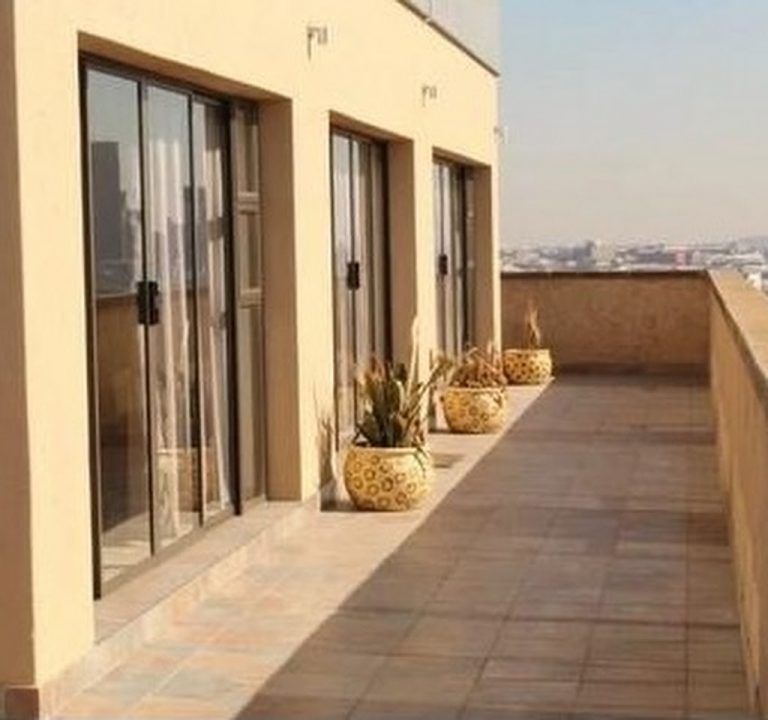
Johannesburg accommodation and exploring the city: where to stay, what to see, and practical planning tips
Johannesburg, often simply called Jo’burg or Joburg, is a sprawling, vibrant gateway to South Africa’s Gauteng province. When planning a stay, many visitors look for accommodation that balances easy access to attractions with a sense of neighbourhood character. Options range from stylish guest houses and boutique hotels to modern aparthotels and self‑catering apartments. A well‑located base can cut transit time and let you focus on exploring the city’s museums, markets, galleries, and diverse dining scene.
Areas to consider when booking a stay include central districts such as the IA (intra‑urban core) and upmarket enclaves in Rosebank and Sandton, which offer straightforward links to business districts, shopping, and dining. Maboneng Precinct is popular for those who want a more urban, walkable experience with cafes, street art, and easy access to the city’s pulse. Braamfontein, Newtown, and Yeoville offer buzzy nightlife and cultural venues, while Soweto provides meaningful day trips that sit just outside the central city and reveal another layer of Johannesburg’s history and resilience. For a calmer, residential vibe, the northern suburbs, including Rosebank and Dunkeld, can provide convenient access to parks and leafy streets. Villa Siesta Guest Lodge, as an example of a guest house option, can illustrate how a smaller property might balance personal service with comfortable amenities near convenient transport links.
When booking, look for practical amenities that support a smooth stay. Key features include reliable Wi‑Fi, secure parking or easy public transport access, a self‑contained kitchen or kitchenette if you prefer casual meals, and good blackout options for restful sleep. A pleasant outdoor area or a shared lounge can add to the stay, especially if you are travelling with family or friends. Properties with flexible check‑in arrangements and clear policies about security, housekeeping, and local guidance tend to ease planning, particularly if you are juggling a busy itinerary.
Transport is a central consideration in Johannesburg. The city has a mix of forms of travel, from the Gautrain rapid rail network connecting to O.R. Tambo International Airport and major hubs to Uber and local taxis. Some neighbourhoods provide better walkability and shorter trips to dining and entertainment. If you plan day trips to Soweto or beyond, verify whether a property can assist with arranged tours or has trusted recommendations for reputable guides. For guests seeking more independence, a serviced apartment or boutique guest house with easy parking and transit options can be especially convenient.
Typical amenities at well‑regarded accommodation include comfortable beds with quality linens, climate control, a well‑equipped kitchenette or pantry, and a clean, well‑stocked bathroom. Breakfast offerings vary from continental to cooked options, with some properties providing options for guests with dietary needs. Reception services, laundry facilities, secure entry, and on‑site staff who can share local tips about current markets, exhibitions, and events add value to the stay. If you are visiting during the city’s rainy season or the hotter months, a property with reliable heating or cooling and good drainage around outdoor spaces is practical to look for.
Understanding the best time to visit Johannesburg hinges on weather and crowds. The city enjoys a warm, subtropical‑like summer from November to February, with afternoon thunderstorms possible. Autumn and spring (March to May and September to November) offer milder conditions and fewer crowds, which can be ideal for exploring outdoor markets, parks, and the neighbourhoods on foot. Winter (June to August) is cooler and drier, which can be pleasant for city sightseeing, provided you pack a warm layer for early mornings and evenings. Major events and markets may shape crowd levels, so checking the local calendar ahead of a trip can help with planning. If you are seeking to combine a city break with a safari day trip or a cultural experience, you’ll find that day tours from central locations are common and helpful for organising logistics.
When planning activities, mix cultural experiences with pausing for meals at a variety of restaurants. Johannesburg’s dining scene spans traditional South African flavours, modern international cuisines, and vibrant bryanwood cafés and eateries. In addition to eating out, consider markets and street food hubs where you can sample a variety of regional dishes and vendors. Museums and galleries cover a wide swath of history, art, and design, while theatres and live music venues offer evening entertainment. For families or curious travellers, guided tours that illuminate the city’s origins, urban development, and diverse communities can be particularly rewarding.
Practical tips to help you make the most of a stay in Johannesburg:
- Choose accommodation with clear security measures and well‑lit access, especially if you plan evening activities.
- Plan transit in advance for longer day trips; taking a reputable ride‑hailing service or pre‑arranged transport can reduce wait times.
- Pack an adaptor for South Africa’s plugs and a light rain layer for summer storms.
- Book accommodation with flexible cancellation policies in case your plans shift.
- Discuss local tips with the host or property manager—many guest houses offer tailored guidance on neighbourhood highlights and safe routes.
For more information on Johannesburg’s neighbourhoods and typical itineraries, consider official tourism resources and local visitor guides. A well‑chosen home base, combined with a thoughtful plan for transport and activities, can make a Johannesburg stay comfortable, engaging, and distinctly memorable.