Johannesburg: a guide to accommodation and experiences in Gauteng
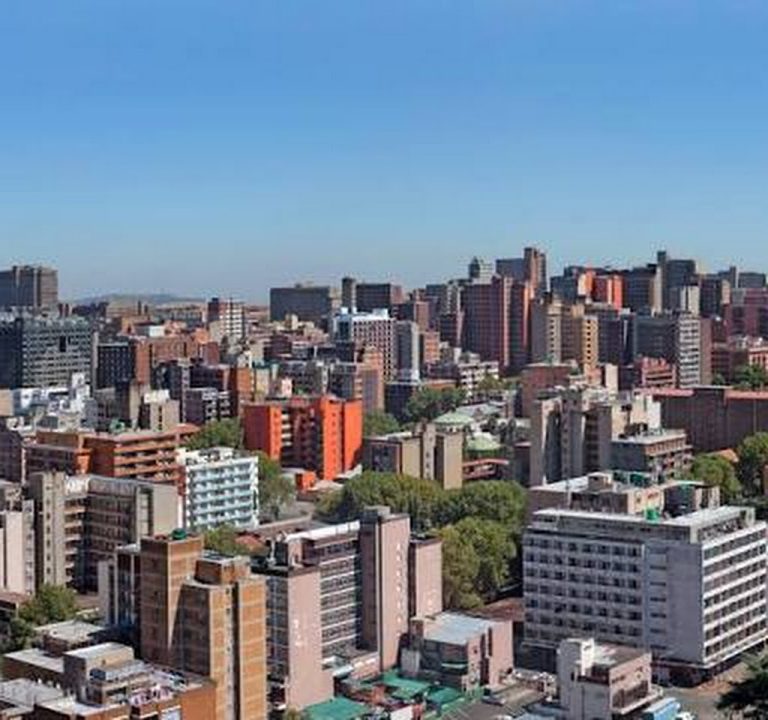
Johannesburg is a dynamic gateway to Gauteng, offering a wide range of stays from boutique hotels to modern lodges. When planning a visit, consider the area that best fits your pace and interests, then match it with the kind of accommodation that suits your travel style. The city’s mix of business districts, arts precincts, and historic neighbourhoods means you can balance comfort, convenience, and South African flair in one trip.
Areas to consider for accommodation
- Sandton: Johannesburg’s finance and shopping hub, home to high-rise hotels, stylish boutique properties, and easy access to the Gautrain. It’s convenient if you’re in the city for meetings or prefer a polished corridor with major malls and fine dining nearby.
- Rosebank: A lively, well-connected quarter with a mix of guesthouses and mid-range hotels. It’s well positioned for access to the airport via bridges of public transport and offers a village-like feel with markets, cafés and galleries.
- Melville and Jeppestown: Quieter, more residential pockets with a range of guesthouses and smaller hotels. These areas are ideal for travellers seeking a local, laid-back vibe close to eateries and live music venues.
- Braamfontein and the Maboneng Precinct: For design seekers and travellers who value hip, walkable streets, art studios, and independent cafés. Expect contemporary hotels and stylish lodges that are well-placed for city exploring.
- Soweto and the inner-city heritage routes: If you want a deeper cultural experience, staying near historical sites can give you an authentic perspective of the city’s revolutionary past and vibrant community life.
What to look for when booking
Key factors to consider include location relative to the places you plan to visit, proximity to transport links, and the type of experience you want. If you rely on public transport, check whether your accommodation offers easy access to rail or bus connections, and whether it’s safe to walk at night in the area. For business travellers, confirm express Wi‑Fi, meeting spaces, and quiet rooms. For leisure stays, amenities such as a reliable air‑conditioning system, on-site dining, a pool, and secure parking can make a big difference. Reading guest reviews can provide practical insights on proximity to attractions, service quality, and noise levels.
Typical amenities and practical tips
Most mid-range and above hotels in Johannesburg offer en-suite rooms, air conditioning, free Wi‑Fi, and 24-hour reception. Look for properties that offer well-equipped workspaces, generous breakfast options, and convenient transfer services to the airport or railway stations. Some lodges and guesthouses emphasise a personalised experience, with hosts who can tailor local recommendations to your interests, whether you’re after a food-focused itinerary, a culture-rich day, or a safari-style day trip beyond the city limits.
Transport and getting around
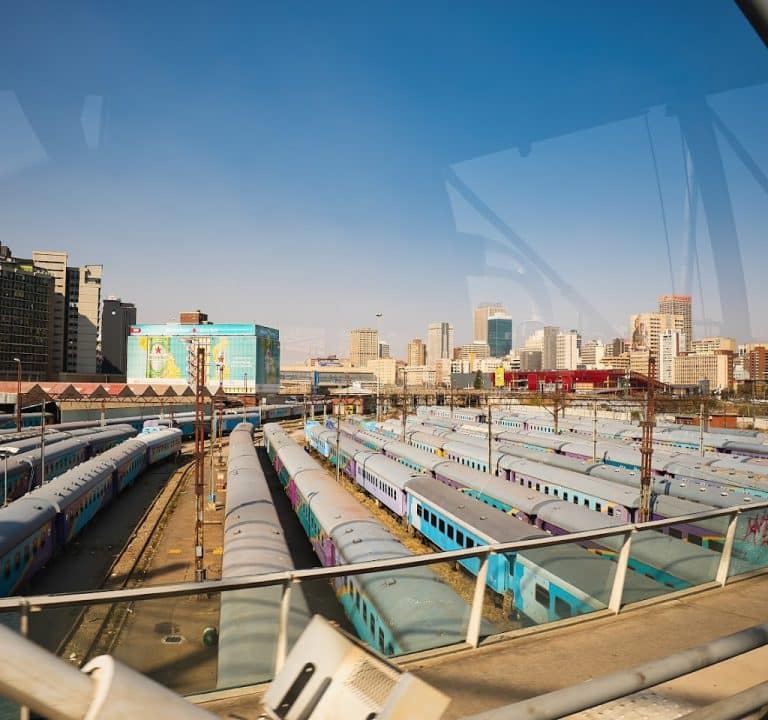
Johannesburg is well connected by road and rail, and the Gautrain provides quick links to Pretoria and the airport. If staying in central or northern districts, you can often walk to cafés, markets, and museums, with rideshares or taxis available for night-time returns. For guests exploring broader Gauteng, many hotels offer airport transfers or can arrange reputable guided day trips. Car hire is another option, but plan for peak-hour traffic and secure parking in busy areas.
Best time to visit and practical planning tips
Johannesburg experiences mild winters and warm summers. May to September tends to be drier and cooler, making it a pleasant period for outdoor exploration and city strolls. The spring and summer months bring lush parks and frequent activity in outdoor markets and precincts. When planning a stay, consider booking in advance during peak travel periods and weekends, especially in popular precincts such as Sandton and Rosebank. If you’re seeking a quieter base, look for boutique hotels or guesthouses a little further from the city’s central hubs. It’s worth checking cancellation policies and whether breakfast is included in the rate, as these can influence everyday planning.
Dining and experiences to cue into
Johannesburg’s culinary scene ranges from modern African-inspired cuisine to casual neighbourhood cafés that buzz with energy on weekends. In terms of experiences, visitors often combine a city day with a cultural visit to museums and heritage sites, followed by an evening in a lively precinct with live music and diverse dining options. For a taste of local life, markets and street food stalls offer an informal but delicious snapshot of the city’s flavours. If you’re considering a stay at Drifters Lodge, it represents a modern hotel option in the city-centre style landscape, with straightforward access to transport links and the surrounding neighbourhoods. For further inspiration, visit official tourism sites such as South Africa’s national tourism portal or city-specific guides for Johannesburg.
Sample accommodation reference
Drifters Lodge is a representative example of a city-centre hotel option within Johannesburg’s lodging spectrum. It can serve travellers seeking a central base with convenient transport links and straightforward access to neighbourhood highlights. When researching, compare several properties in the same area to balance price, comfort, and proximity to the sites you want to explore.
Further information and planning resources
For practical planning and up-to-date ideas on attractions and dining, consult reliable travel guides and official tourism pages. They offer current recommendations on venues, public transport routes, maps, and seasonal events to help you tailor a stay to your interests. Visit https://www.southafrica.net or local tourism portals for Johannesburg to start building your itinerary.