Johannesburg: where to stay, explore and dine in the City of Gold
Johannesburg, or Jo’burg as many locals call it, is a dynamic base for visitors exploring Gauteng. A stay here can be focused around historic neighbourhoods, modern business districts, and creative hubs that pulse with life after dark. When planning a visit, consider choosing one or two contrasting areas to balance easy access to sights with immersion in the city’s character. The right accommodation can act as a convenient hub for day trips, cultural experiences, and memorable dining.
Accommodation options in Johannesburg range from stylish boutique hotels and secure serviced apartments to traditional guesthouses and contemporary city hotels. Many properties cater to both short breaks and longer stays, offering essentials such as daily housekeeping, comfortable workspaces, reliable Wi‑Fi, and on-site dining. Some venues provide beginner-friendly guides to the city, help with arranging tours, or easy connections to public transport. If you’re travelling with family or colleagues, look for larger rooms, family suites, or self-catering facilities to make a stay more versatile.
Key areas to consider:
- Sandton: known for its business district, upscale shopping, and comfortable, polished hotels with easy access to the Gautrain rail link.
- Rosebank and Parkview: leafy streets, boutique stays, and proximity to markets, cafés and the rail for convenient commuting.
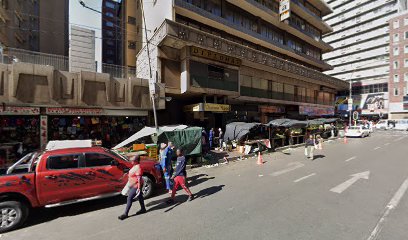
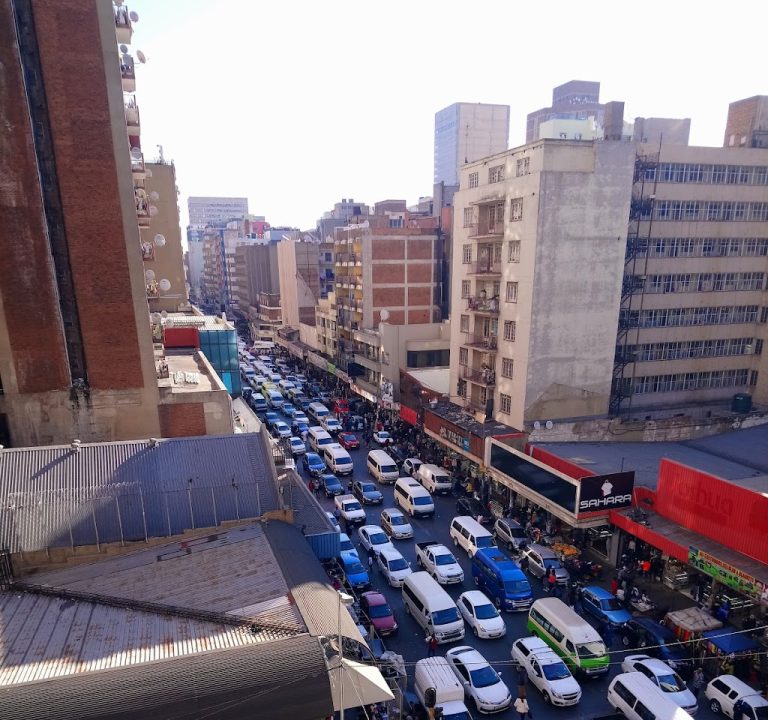
- Maboneng and the Inner City: a creative and vibrant precinct offering characterful stays close to galleries, studios, street-food markets and nightlife.
- Braamfontein and Newtown: lively, student-friendly quarters with cultural venues, theatres and a range of affordable to mid-range lodgings.
- Soweto (outer areas): a gateway to historical tours and authentic community experiences, best reached with a guided day trip from central hotels or guesthouses.
What to look for when booking:
- Security and access: check 24‑hour reception, controlled access, and well-lit surroundings after dark.
- Transport links: proximity to rail or bus routes, or easy taxi/ride-hailing access, helps with planning day trips to the Apartheid Museum, Constitution Hill, or nearby townships.
- Breakfast and dining: a good continental or full breakfast can save time in the morning, with some properties offering regional buffet options or on-site cafés.
- Workspace and Wi‑Fi: reliable connectivity is valuable for business travellers or longer stays; ask about bandwidth and quiet areas.
- Amenities: expect comfortable bedding, climate control, secure parking if driving, and available laundry facilities for longer visits.
- Flexibility: cancellation policies and the possibility of extending a stay can be important if travel plans are not fixed.
Practical planning tips for a smooth stay:
- Best time to visit: Johannesburg’s climate is generally mild, with summer thunderstorms (roughly November to March) and drier winters (May to August). Outdoor attractions are popular during the drier months, but be prepared for occasional heat in peak summer. Pack layers for the variable conditions and flexible plans for afternoon showers during summer.
- Safety and awareness: stay in well-regarded neighbourhoods, use reputable transport, and avoid walking alone at night in unfamiliar areas. Store valuables discreetly and use safes where available.
- Getting around: the Gautrain offers fast connections to the city and other Gauteng towns. In the city, ride-hailing apps and licensed taxis are commonly used; many hotels can arrange transfers or reliable guided day trips.
- Money matters: debit and credit cards are widely accepted, but it’s prudent to carry a small amount of local currency for markets and smaller shops.
- Cultural etiquette: a friendly greeting goes a long way; local markets and eateries might be busy but welcoming. Respect queueing norms in popular spots and markets.
Attractions and experiences to plan for include reflections on the city’s history, design and culture. You might allocate time for museums and heritage sites that showcase South Africa’s journey, and pair shifts in the day with a stroll through urban districts known for galleries, street art and markets. For a balanced itinerary, consider day trips that offer a window into nearby townships, contemporary art spaces, and green spaces where residents spend time with family and friends.
When it comes to dining, Johannesburg’s restaurant scene ranges from traditional South African kitchens to modern global-leaning menus. Many venues emphasise seasonal ingredients, shareable plates and vibrant atmospheres that suit groups and gatherings. Whether you’re seeking a relaxed brunch, a stylish supper spot, or a casual eatery with a view, there are options across the city to suit different budgets and occasions. For a formal dining evening or a casual bite after a day of exploring, it’s worth reserving ahead in busier districts, particularly on weekends.
In addition to restaurants and nightlife, plan for a mix of experiences: guided heritage tours, street-art strolls, markets with crafts and local produce, and family-friendly attractions. Your chosen accommodation can often help tailor a personalised itinerary, arranging reputable guides or curated city walks that match your interests, pace and accessibility needs. With careful planning, a Johannesburg stay can be as relaxed or as eventful as you choose, creating a well-rounded experience of this energetic Gauteng city.
For practical booking ideas and inspiration, reputable travel guides, guest reviews, and official tourism sites can offer updates on neighbourhood highlights, transport options and seasonal events. If you would like, I can help tailor an example 3–4 day plan around a preferred area, travel style and budget, including suggested durations at key sights and dining options.