Accommodation and Experiences in Johannesburg, Gauteng
Johannesburg, often referred to as Jo’burg or Joburg, offers a diverse range of places to stay that suit everything from stylish city breaks to longer, business-friendly visits. Whether you prefer a boutique guesthouse tucked away in a leafy neighbourhood, a modern hotel near the city centre, or a comfortable lodge on the edge of the suburbs, there are options to match most itineraries and budgets. Plan your stay around the city’s vibrant districts to get the most out of your visit, while ensuring easy access to transport links and attractions.
When planning a stay in Johannesburg, consider the area carefully. The city is large, and different neighbourhoods have distinct atmospheres, amenities, and safety considerations. If you value easy access to business or nightlife, the central and northern suburbs are popular; for a more relaxed, family-friendly vibe with green spaces, the northern suburbs around Sandton, Rosebank, and Melrose offer a mix of hotels and guesthouses. For an artsy, cultural feel and a strong neighbourhood identity, Maboneng Precinct, Newtown, and Braamfontein present a walkable urban experience with a range of dining options and convenient transport links.
Key factors to look for when booking your accommodation include safety and security, reliable transport access, and the availability of on-site conveniences such as Wi‑Fi, parking, and 24-hour reception. If you plan to explore extensively by public transport, choose properties near major routes or within easy reach of the Gautrain stations, Metrorail networks, or reputable ride-hailing options. For those driving, check on-site parking arrangements, including whether there is secure, supervised parking and whether it is complimentary or charged per day. If you’re visiting for a short city break, a central location with good walkability can help you maximise your time.
Typical amenities you might expect to find include air conditioning, en-suite bathrooms, a comfortable workspace, and reliable Wi‑Fi. Breakfast options vary, from continental spreads to full hot meals prepared on-site. Many boutique hotels and guesthouses offer personalised service, with helpful recommendations on local dining, day trips, and transport. If you’re travelling with family or a group, look for family rooms or suites, and ask about limits on the number of guests per room. Accessibility is another practical consideration; some properties provide lift access, ramps, or in-room facilities that make stays easier for guests with mobility needs.
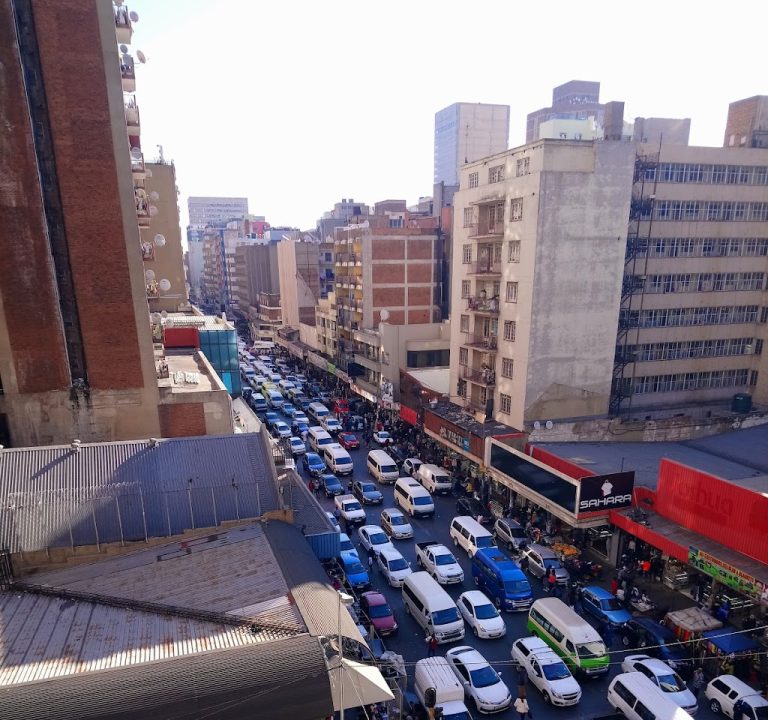
Transport in Johannesburg is practical but can feel busy. The Gautrain offers fast connections between Johannesburg and Pretoria, with stations in Sandton and Rosebank that link to the broader metro network. Taxis and ride-hailing services are widely available, and many accommodation options can arrange airport transfers or provide guidance on safe, reliable local transport. If you plan day trips to nearby natural attractions or markets, check whether your hotel can assist with guided tours or provide advice on the best transit routes. For short stays, a well-located base reduces transit time and helps you fit in cultural highlights, markets, and dining.
The best time to visit Johannesburg generally aligns with the South African winter and spring seasons. May through August tends to be dry and mild, offering comfortable conditions for exploring outdoor attractions and city streets. Spring and early summer bring warmth and green spaces in bloom, though sudden showers can occur. Consider your preferred climate and any major local events when choosing dates. If you’re visiting for business or conferences, coordinating your dates with the venue is wise, as Johannesburg can get busy during large events, which can affect availability and price.
Practical tips to enhance your stay:
- Research a few different neighbourhoods before booking to balance safety, accessibility, and atmosphere.
- Ask about on-site security features, such as controlled access and 24-hour reception.
- Verify transport options from your accommodation to the places you plan to visit, especially late in the evening.
- Look for flexible booking terms in case your plans change, and check cancellation policies before finalising your stay.
- Explore nearby markets, cafés, and casual eateries to experience the city’s diverse food scene without travelling far.
- Consider day trips to nearby natural parks or heritage sites to balance urban and outdoor experiences.
- Pack a light jacket or shawl for cooler evenings, even in warmer months, and comfortable walking shoes for city streets and markets.
Attractions and experiences in Johannesburg span history, culture, and modern city life. You might spend time exploring architectural landmarks and museums, strolling through arts districts, or enjoying panoramic views from high points around the city. Dining ranges from modern bistros to traditional eateries offering a taste of regional flavours. While exact venues and prices change, the city typically provides a mix of casual spots and refined dining, with options to suit varied appetites and budgets. For planning resources and inspiration, consider visiting official tourism information online or reputable travel guides to identify current exhibitions, markets, and seasonal happenings that align with your dates.
Ultimately, a well-planned Johannesburg stay blends a comfortable base with easy access to distinctive neighbourhoods, transport links, and a curated set of day experiences. By choosing a strategically located accommodation, you can maximise your time exploring Gauteng’s capital, enjoy a broad range of dining and cultural options, and return each day to a welcoming space that suits your travel style. For ideas and practical planning, you may wish to explore accommodation options and itineraries at a dedicated local tourism page or the site of a reputable hotel or guesthouse platform.