Where to Stay in Johannesburg and How to Plan a Memorable Visit
Johannesburg, packed with museums, markets, parks and a dynamic food scene, rewards thoughtful planning when you choose a place to stay. The city is spread across several distinct neighbourhoods, each with a different rhythm and set of highlights. A well‑chosen homestay, hotel or guesthouse can act as a friendly base for exploring the wider Gauteng region, while offering comforts that suit both short breaks and longer stays.
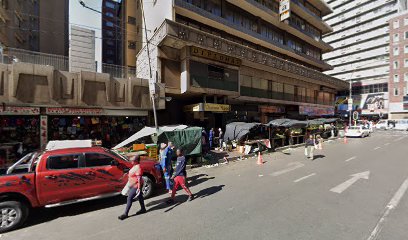
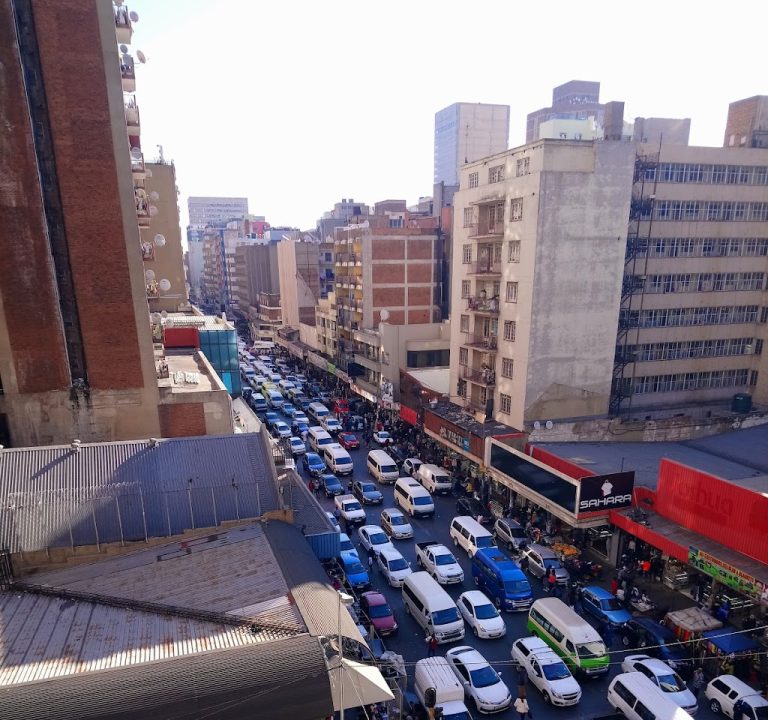
Consider starting your search with the inner-city energy of Maboneng or Braamfontein, where stylish lofts, guesthouses and boutique stays often sit within easy reach of galleries, cafés and nightlife. For a more relaxed, mixed‑use vibe with modern conveniences and leafy streets, Rosebank and Greenside provide tree-lined avenues, shopping centres and easy transport links. If you’re chasing a business‑friendly base with robust transport connections, Sandton is a strong contender, while Newtown offers cultural pockets and a central position closer to museums and theatres. For a more residential feel, suburbs like Parktown or Randburg can offer quieter stays with straightforward access back into the city core or to the northern belt of Gauteng.
When booking, look for a place that clearly communicates the basics: clean, secure accommodation, responsive hosts or management, and transparent policies on check‑in and check‑out. If you’re travelling with family or a small group, a homestay such as a well‑managed apartment or a guesthouse that offers private spaces alongside shared areas can be both cost‑effective and welcoming, with opportunities to chat with hosts about local tips. A good host will often point you to nearby eateries, markets and simple transport routes that save time and hassle.
Typical amenities to expect include reliable Wi‑Fi, secure on‑site parking or easy access to safe street parking, air‑conditioning or heating as appropriate for the season, and a well‑equipped kitchen or kitchenette for longer stays. Many Johannesburg properties provide a continental breakfast or access to self‑catering facilities, which can be convenient after early flights or long days spent sightseeing. Look for in‑room conveniences such as a safe, a quiet room, and plenty of plugs for devices since many visitors rely on phones for navigation and information on the go. If you are travelling with a vehicle, confirm parking arrangements in advance and check whether there are any access restrictions in the building or estate system.
Transport is an important planning factor. The Gautrain offers an efficient link to Sandton and OR Tambo International Airport, and Uber or other ride‑hailing options are widely available in the city. If you intend to explore beyond the central districts, staying somewhere with easy access to main roads and major bus routes can save time. Ask hosts or reception about the best nearby routes, and whether a car is necessary for the stay. For shorter visits, a well‑located property can make most attractions walkable or easily reachable by a quick ride.
The best time to visit Johannesburg depends on what you want from your trip. The city enjoys mild winters and warm summers, though late spring and early autumn can be particularly pleasant for outdoor exploring and day trips to nearby natural spots. If your plan includes markets and outdoor dining, you’ll want to align with weekends and public holidays when venues tend to be livelier. For those sensitive to seasonal rain, keeping an eye on local forecasts during the summer months is sensible, as afternoon showers can be common.
When it comes to planning activities, Johannesburg offers a broad spectrum without requiring a lengthy itinerary. Cultural institutions, markets, and hillside viewpoints are easy to weave into a few days: you might dedicate mornings to museums or galleries, afternoons to markets or parks, and evenings to casual dining or seasonal performances. General tips include pacing your days to balance indoor experiences with outdoor time, leaving room for spontaneous discoveries, and allowing for flexible meal plans if you need to adjust to long queues or closures. A well‑chosen accommodation plan can anchor your schedule and reduce transport stress, letting you make the most of the city’s varied offerings.
For a practical example of staying with a hospitality‑driven approach, consider Barclay Flats, a homestay style option that can provide a friendly and local flavour to your visit. Such stays are often well located for easy access to different parts of the city and can offer the comfort of a personal space with communal areas for socialising or planning day trips.
Eating out ranges from vibrant street‑food markets and casual cafés to modern bistros and traditional kitchens. In general terms, you’ll find menus that reflect the city’s cosmopolitan mix, with grilled meats, fresh salads, and hearty favourites alongside contemporary vegetarian and modern South African dishes. When planning meals, it’s often worth asking hosts or reception for nearby eateries that represent the neighbourhood’s character, as many places depend on local recommendations rather than prominent signage alone.
- Book in advance during peak periods and consider flexible options if plans change.
- Ask about security, especially if staying in central or higher‑density areas.
- Check what transport options are most convenient for your planned itinerary.
- Clarify the exact neighbourhood and walkability around the property to match your interests.
With thoughtful selection of where you stay and a flexible plan, Johannesburg can be a comfortable, walkable, and engaging base for exploring Gauteng. A well‑chosen accommodation can help you navigate the city’s energy while giving you the space to unwind after busy days spent discovering its attractions and flavours.