Johannesburg: Where to Stay, What to Do and How to Plan Your Visit
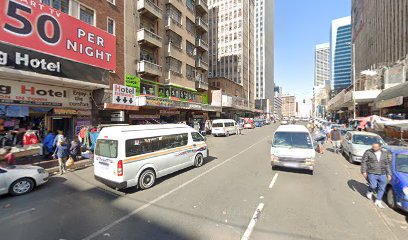
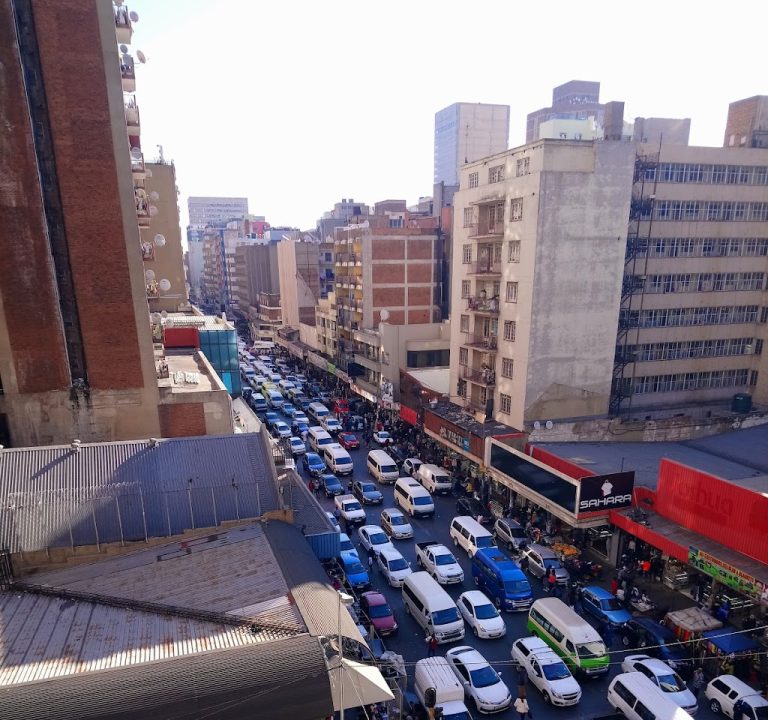
Johannesburg, or Jo’burg as many locals call it, offers a vibrant mix of culture, history and contemporary city life. When planning a stay, consider the different neighbourhoods and how they align with your interests, whether you’re seeking easy access to museums, a buzzy urban scene, or a quieter base from which to explore the wider Gauteng province. Hotels, B&Bs and guesthouses range from convenient city-centre options to stylish boutique stays in leafy suburbs. One well-known example in the city’s hotel category is Ben Suites, a name that evokes comfortable, well-equipped accommodation and a central position within reach of many attractions.
Areas to consider for a stay include:
- Johannesburg CBD and Braamfontein: Great for first-time visitors who want to be near museums, galleries, theatres and a growing dining scene. It’s also convenient for quick access to the airport shuttle routes and major highways.
- Newtown and Maboneng Precinct: Known for their creative energy, street art, markets and cafés. A good base for travellers who enjoy day-to-night activity within walking distance of many venues.
- Rosebank and Sandton: Ideal for shoppers and business travellers, with easy access to modern malls, business districts and efficient transport links to other parts of the city.
- Melrose Arch and Mellville: A mix of upmarket accommodation, stylish eateries and a relaxed vibe, suitable for visitors who want a more boutique experience.
- Suburban options around Rosebank and Parktown: Often offer a quieter stay with leafy streets, comfortable rooms and straightforward access to the city centre by taxi or rail.
What to look for when booking a property:
- Location relative to your planned activities and the ease of getting around at night.
- Security features, including controlled access, good lighting in public areas and reliable reception staff.
- Room layout and amenities such as air conditioning, reliable Wi‑Fi, in‑room safe and a well-equipped ensuite bathroom.
- On-site facilities like a restaurant, gym, parking options and a comfortable common area for travellers to meet others.
- Transparency about transport options, including proximity to Gautrain stations, cycle routes or taxi/ride-hailing access.
Typical amenities you can expect in Jo’burg stays include 24-hour reception, daily housekeeping, continental or full breakfast options, and sometimes lounge areas with beverages. In the larger multi‑storey hotels you may also find conference facilities and business lounges, while boutique properties tend to emphasise character, personalised service and local artwork. If you’re staying in a guesthouse or B&B, you may enjoy personalised recommendations from hosts about safe neighbourhood routes, markets and walking tours.
Transport and getting around the city:
- The Gautrain network links Johannesburg with Pretoria and the OR Tambo International Airport, offering fast, reliable transfers to several key hubs. From a Gautrain station, local taxis or ride-hailing apps can help you reach your accommodation and attractions.
- In the city centre and inner suburbs, Uber, Bolt and other ride-hailing services are widely used. Always agree on an estimated fare or confirm in-app before you travel, particularly late at night.
- Public buses and local minibus taxis operate in some corridors, but for visitors unfamiliar with the routes, private transfers or rides from your accommodation can be a safer, more convenient option.
Best time to visit and practical planning tips:
- Johannesburg experiences a mild winter from June to August and a hot summer from November to February. The dry winter months are a pleasant time to explore outdoor attractions, but always prepare for chilly evenings, especially in the city’s higher-altitude areas.
- Plan day trips to nearby Gauteng highlights such as the Cradle of Humankind and the Lesedi Cultural Village, which can be reached by car or via organised tours.
- Safety is a practical consideration. Keep valuables out of sight, use secure transport options after dark, and ask hosts or reception staff for recommended safe routes and neighbourhood tips.
- Currency is the South African rand. Cash is useful for markets and small vendors, while many venues also accept cards. Some neighbourhoods have mobile payment options that are widely used by local businesses.
- Weather-appropriate clothing is wise; air conditioning and heating in accommodation can differ, so pack layers for variable conditions.
Dining and local experiences:
Johannesburg’s dining scene spans elegant restaurants, casual eateries and bustling markets. Look for places that showcase contemporary South African cuisine, with generous ingredients and an inviting atmosphere. In many areas, you’ll find cafés and bistros perfect for a relaxed brunch or an evening meal. For a broader taste of the city, join guided walking tours, street-food rounds and markets that emphasise neighbourhood life, craft, and music. Museums and galleries provide context to the city’s stories, from its complex history to its dynamic contemporary culture. While exact venues and prices may change, many visitors value a balanced itinerary that combines cultural sites with downtime in parks and lively entertainment districts.
Planning a stay in Johannesburg is about balancing convenience with character. Choose an accommodation that aligns with your pace—whether you want a central hub that cuts down travel time or a quieter suburb with easy access to green spaces and modern dining. With a little organisation, you’ll be able to enjoy the city’s energy, uncover its stories and return refreshed after each day of discovery.
For more general planning and current practical information, you can explore official tourism resources and city guides online. They provide up-to-date neighbourhood highlights, transport tips and suggested itineraries to help you tailor your stay to your interests.