Johannesburg: Where to Stay, What to Do and How to Plan a Grown‑up City Break
Johannesburg, or Jo’burg as it is affectionately known, offers a mix of energetic city life, rich history and convenient access to natural beauty in Gauteng. When planning a stay, travellers should consider the city’s distinct neighbourhoods, from leafy northern suburbs offering easy access to malls and museums, to the city centre’s architectural landmarks and the tree-lined avenues of the south. Accommodation ranges from boutique lodges and guesthouses to modern hotels and larger complexes, each with its own character and proximity to the city’s drawcards.
One useful approach is to base your stay around a few core areas. The central business district puts you near museums, theatres and the Gautrain link to the airport, though it is best to choose well-reviewed properties with strong security and daytime activity. The northern suburbs offer a calmer environment, often with contemporary comforts, spa facilities and easy access to parks and golf courses. For a more cultural immersion, consider stays in areas that are convenient for the Maboneng Precinct or nearby arts districts, where you’ll find eateries, markets and galleries a short stroll from your doorstep. If you’re planning family travel or longer holidays, a lodge or guesthouse in a listed neighbourhood can provide a hospitable base with a personal touch.
When booking, look for practical amenities that suit your itinerary. Reliable Wi‑Fi, secure parking (especially if you’re exploring by car or relying on rideshares), 24‑hour reception or a staffed desk, and a reputable housekeeping schedule all make a big difference. Many lodges and guesthouses in Johannesburg balance modern comforts with a personalised feel, offering generous breakfasts, communal lounges and staffed curations of local tips. If you value self‑catering options, seek out properties with kitchen facilities or a shared kitchen, which can be convenient for longer stays.
Transport is a key planning factor. Driving is common, but traffic patterns can be unpredictable. If you’re not renting a car, check access to safe, well‑lit taxi or rideshare options, and whether the property provides convenient shuttle services or easy access to tram or rail links. Proximity to major routes and to a Gautrain station can dramatically shorten transfer times to the airport or other cities in South Africa. For day trips, a centrally located base helps you maximise time—think comfortable mornings, a few afternoon excursions, and evenings spent exploring local dining scenes rather than long commutes.
Best time to visit Johannesburg is broadly year‑round, with two standout considerations. The autumn and spring months bring milder temperatures, making outdoor activities and city walks more pleasant. The rainy season tends to be in the late summer; while showers can be brief, plan for occasional downpours and keep an adaptable itinerary. If your visit is to coincide with cultural events or markets, check calendars in advance, as these can provide memorable experiences without requiring long journeys.
When it comes to what to do, Johannesburg’s attractions offer a broad spectrum. Cultural highlights include world‑class museums that cover the city’s complex history and contemporary art scenes. You’ll also find opportunities to explore the nearby natural scenery, whether by a short day trip to nature reserves or a more relaxed city park day. Food lovers will discover a diverse restaurant landscape, from cafés and bistros to more formal dining rooms, often with a modern South African flavour. For a balanced itinerary, mix a few cultural visits with leisurely meals, a stroll through markets, and a daytime excursion to nearby countryside or wildlife experiences. Always check opening hours and booking requirements ahead of time to make the most of your plans.
Consider this practical checklist as you prepare your stay:
- Verify security and reception hours, especially in central areas.
- Choose accommodation with clear access routes, good lighting and convenient transport links.
- Request a room away from street noise if you are sensitive to sounds.
- Plan a mix of indoor and outdoor activities, allowing for weather changes.
- Explore local dining options outside tourist zones to sample genuine flavours.
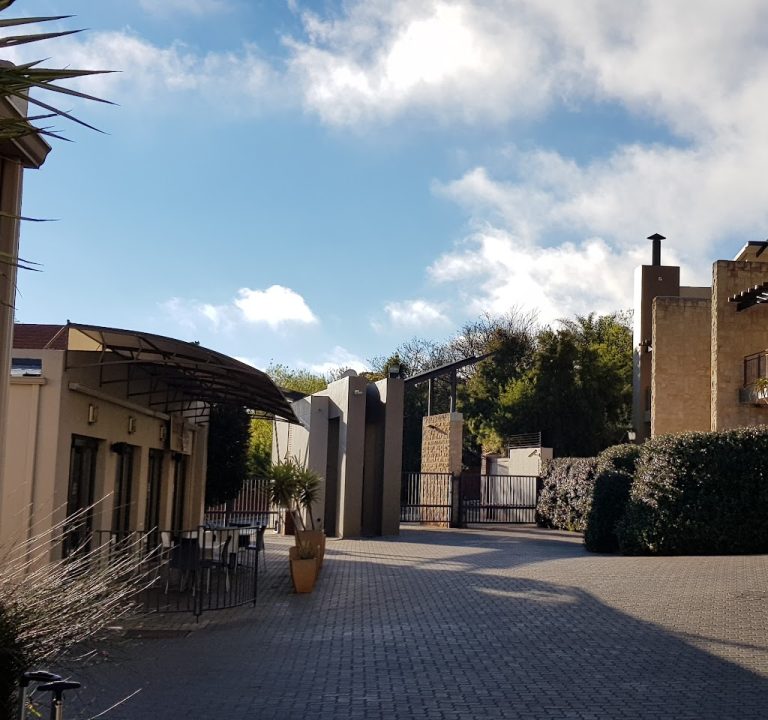
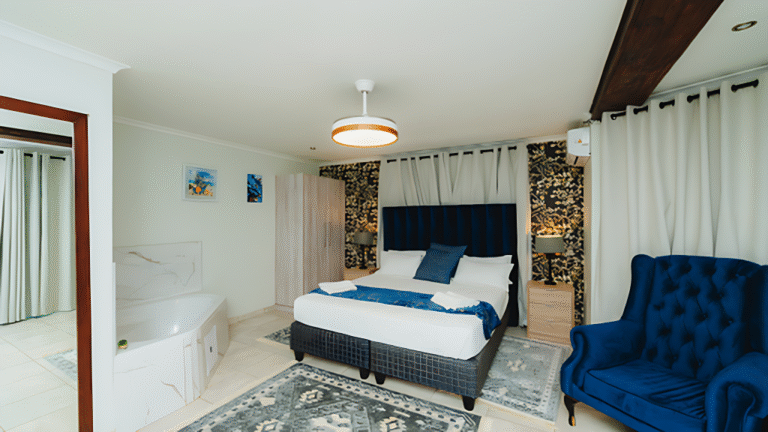
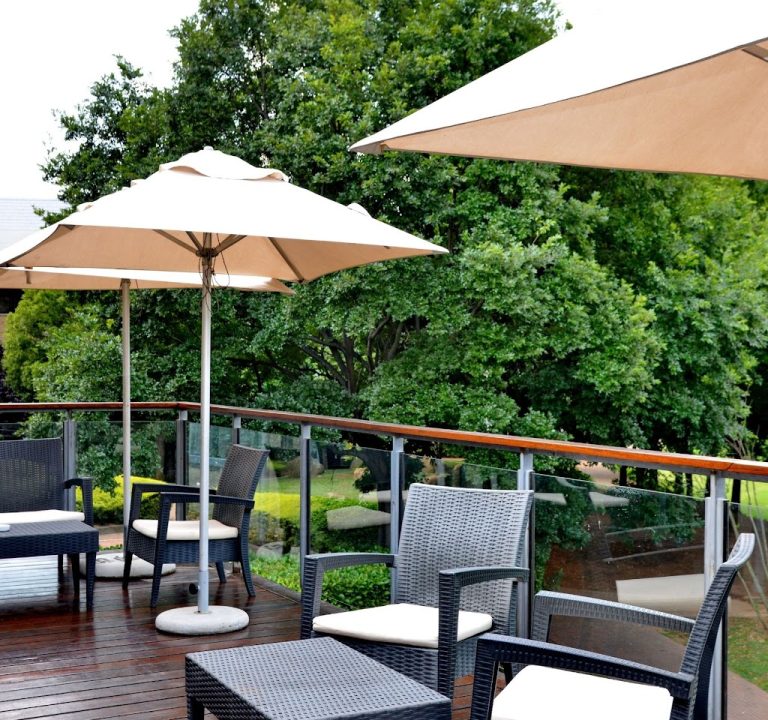
As a sample accommodation option that embodies the lodge experience and traveller‑friendly hospitality, Didiloni Lodge in Gauteng offers a convenient base with the warmth of a guesthouse atmosphere. While each guesthouse or lodge will have its own distinctive ambience, Didiloni Lodge illustrates how a well‑located property can combine comfortable rooms, communal spaces and practical amenities to enhance a stay. Visitors can discover nearby attractions and easy day trips, while enjoying thoughtful touches that lend a personal touch to a city break. For more information, prospective guests can visit the lodge’s website: Didiloni Lodge.
Finally, plan your stay with a flexible mindset. Johannesburg is a large, multi‑faceted city whose attractions and dining scenes continually evolve. Book accommodation that offers clear cancellation policies and responsive service, and keep a few alternate days or activities in mind in case of weather or shifts in opening times. With a thoughtful approach to where you stay, how you move around, and what you choose to do, a visit to Johannesburg can be both enriching and comfortable, delivering a balanced blend of urban energy, cultural insight and practical convenience.