Accommodation and Attractions in Johannesburg, Gauteng: Planning Your Stay
Johannesburg is a dynamic gateway to Gauteng, offering a mix of leafy neighbourhoods, modern high-rise precincts and historic townships. When planning a stay, consider where you base yourself to balance ease of access with the kind of atmosphere you prefer. For a first visit, central areas such as Rosebank, Sandton, Braamfontein and Parkhurst provide walking-friendly streets, easy transport links and a good range of eateries and amenities. If you want a quieter retreat, suburbs on the northern rim or in suburbs with scenic parks can offer a calmer pace while still putting you within reach of the city’s major attractions.
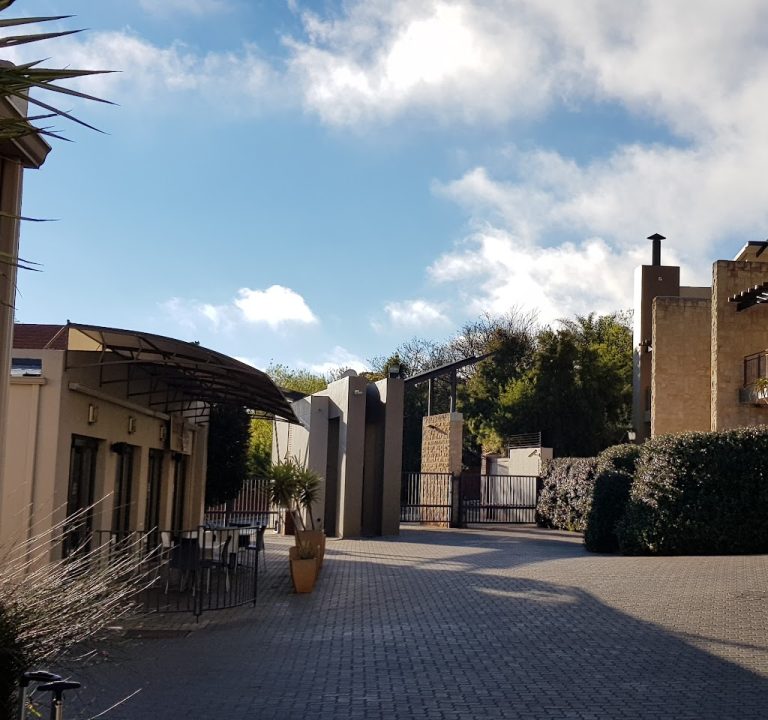
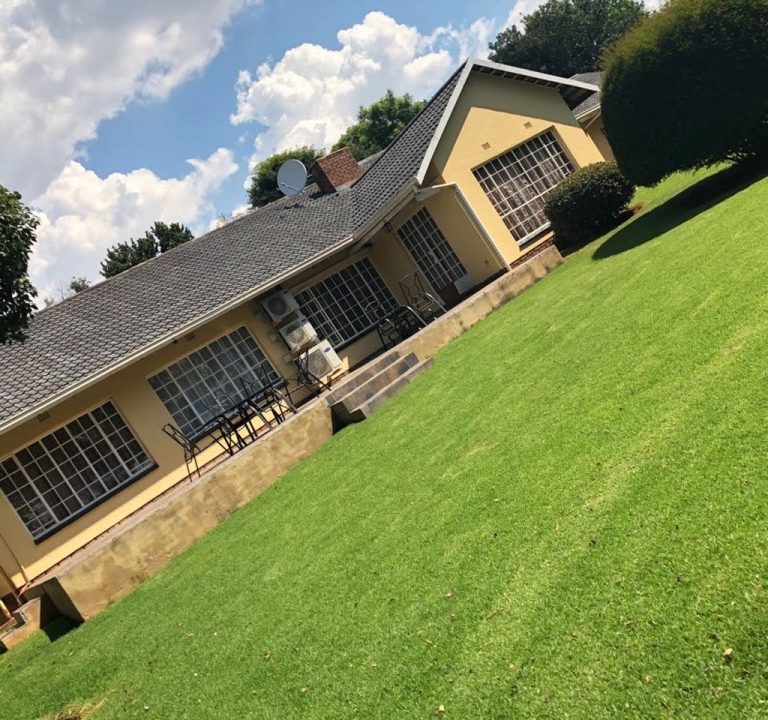
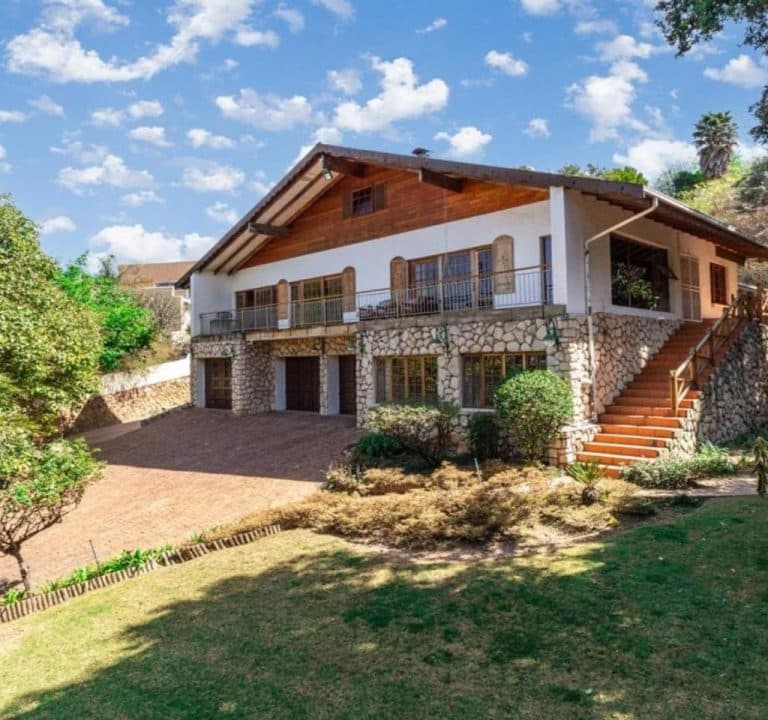
In choosing accommodation, look for a few practical features. A guest-focused option with flexible check-in, secure parking or easy access to public transport is advantageous. Consider the distance to major sights you plan to visit and whether the property can assist with advice on local routes. If you value a personal touch, a guest house or boutique hotel often provides a more curated experience than a large chain. A good example is Isaacs Residence, a guest house that tends to emphasise hospitality and convenient access to central Johannesburg, which can be ideal for travellers wanting a balanced base from which to explore.
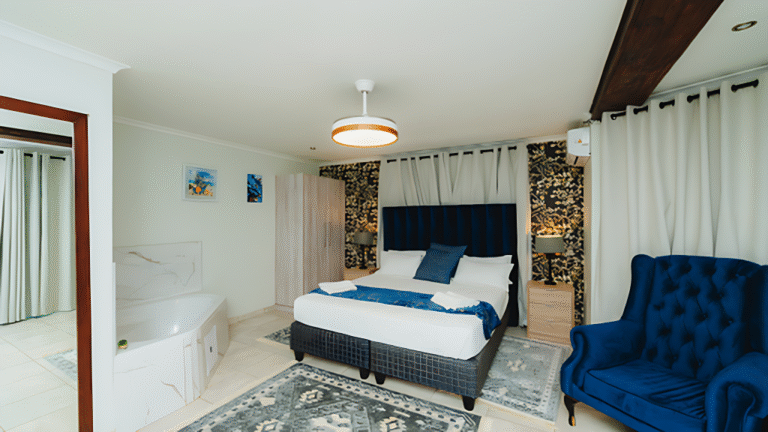
Typical amenities that enhance convenience include reliable Wi‑Fi, secure storage for luggage, on-site parking, and breakfast options. Rooms with air conditioning or ceiling fans are particularly useful given Johannesburg’s warm summers and cooler evenings. If you plan day trips, ask about late check-out or packaged experiences that cover nearby markets, museums and nature spaces. Public transport is well developed in the city core, with bus routes, a growing metro rail network in the broader Gauteng region, and ride‑hailing commonly available. For longer stays, a location near a Gautrain station can dramatically cut transit times to Pretoria and other destinations.
To make the most of your stay, consider the best time to visit. Johannesburg enjoys warm summers with afternoon thunderstorms and cool, dry winters. Many travellers prefer late spring (September to November) or autumn (March to May) when temperatures are comfortable and activity levels in parks and outdoor spaces are high. If your trip focuses on outdoor activities, plan around weather windows and be prepared for occasional showers in the shoulder seasons.
Accommodations span a spectrum from boutique guest houses and design-led lodges to well-appointed apartments and modern hotels. When booking, ask about access to public spaces, safety and security provisions, and what sets the property apart—whether it is personalised city guidance, included breakfasts, or easy access to popular districts. For families, check size and layout of rooms, as well as whether the property can offer family-friendly dining arrangements or quiet areas for downtime after busy days of sightseeing.
Attractions and experiences in Johannesburg cover galleries, markets, nature spaces and heritage sites. Within the city you’ll find compelling museums and cultural hubs that explore South Africa’s complex history, alongside vibrant neighbourhoods where street art, craft stalls, and cafés create a lived-in sense of place. Outside the urban core, green spaces and viewpoints offer opportunities for a slower pace, such as scenic reserves and botanical spaces. If you’re seeking a taste of the wider region, day trips can include nearby townships that provide context through guided community visits, markets and traditional cuisine experiences. When planning excursions, check opening times and whether guided tours are available, as these can add depth and safety to your visit.
Restaurants in Johannesburg mirror its multicultural fabric, ranging from casual eateries and coffee spots to more formal dining rooms. In central and suburban hubs you can expect varied menus featuring South African favourites, international comfort food and contemporary fusion dishes. It’s common for eateries to operate with seasonal menus and varying hours, so a quick check on opening times before heading out helps you to make the most of your day. If you’re planning evenings out, consider areas with a concentration of venues to minimise travel time and maximise convenience after sunset.
Travel tips to keep in mind:
- Plan your days around a few anchor sights and use quick, efficient transport options to connect them.
- Book accommodation with easy access to major roads or public transport to avoid long commutes.
- Allow time for unexpected discoveries in markets, galleries and local neighbourhoods.
- Check the seasonal weather forecast and pack for warm days and cool evenings.
- Ask your host or accommodation manager for local recommendations on safe routes, cafés and day trips.
In short, Johannesburg rewards thoughtful planning: a well-situated base, flexible amenities, and an itinerary that balances iconic sites with time to soak up the city’s neighbourhoods. Whether you’re drawn to the polished pulse of contemporary precincts or the historic texture of townships and markets, a carefully chosen stay can anchor a memorable South African trip. As you map your travel, keep the essentials—location, accessibility, and comfort—front and centre, and you’ll find that Johannesburg is both welcoming and richly rewarding for visitors seeking culture, cuisine and a sense of place.