Accommodation and Experiences in Johannesburg, Gauteng
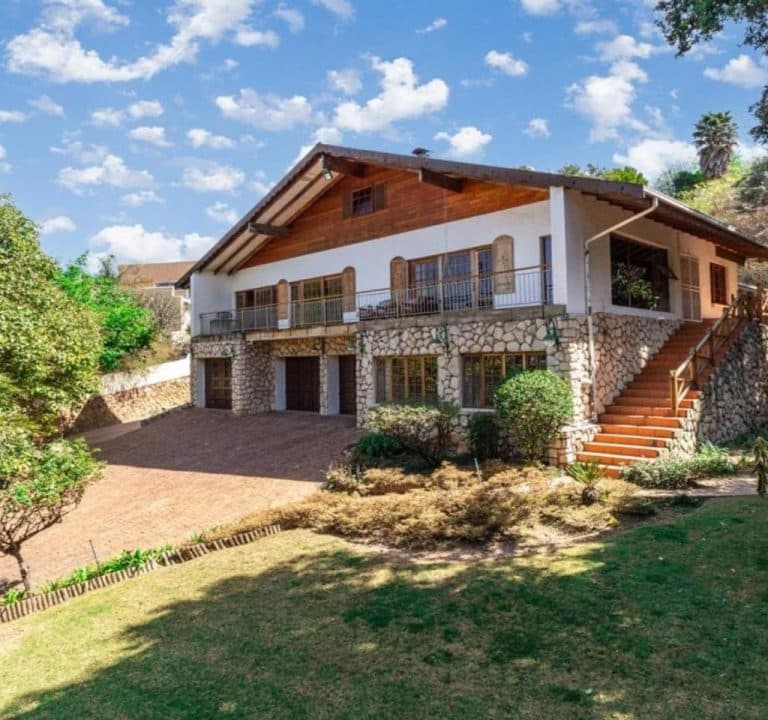
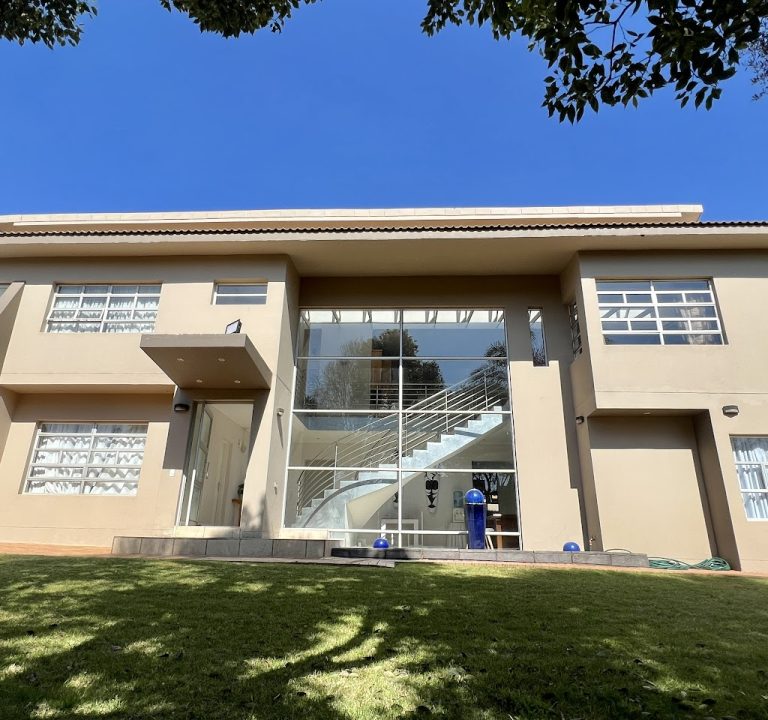
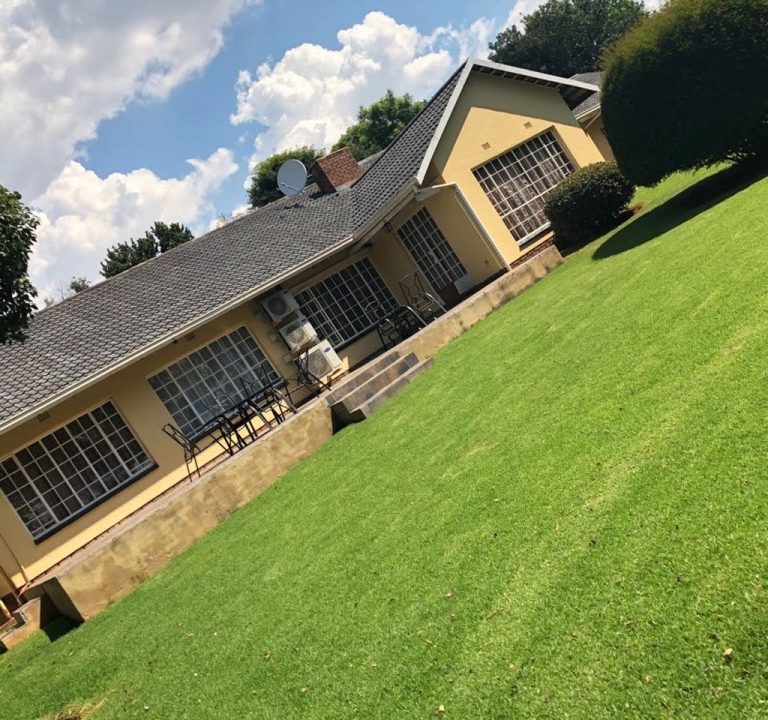
Johannesburg, a dynamic gateway to Gauteng, offers a wide range of places to stay that suit every traveller, from intimate guest houses to stylish boutique hotels and self‑catering apartments. The city’s neighbourhoods each bring a distinct flavour, so planning a stay around areas like Northcliff, Rosebank, Braamfontein, Melville or Sandton can help you tailor your experience to your interests—whether you’re here for culture, shopping, or culinary delights. A well‑located guest house, such as Northcliff Cottages, can provide a comfortable base while you explore the surrounding streets and quick access routes to the city centre and northern suburbs.
When choosing accommodation, consider factors such as security, convenience, and whether the space offers the right balance of privacy and hospitality. Look for guest houses or boutique keepsakes that emphasise thoughtful touches—comfortable en-suite rooms, reliable Wi‑Fi, secure parking, and options for breakfast or self‑catering. If you’re travelling for business, proximity to transport links or business districts can save time, while leisure visitors might prioritise easy access to markets, cafés and cultural venues.
Typical amenities in Johannesburg’s guest houses and small hotels often include complimentary breakfast, air conditioning or heating, private or shared lounge areas, and sometimes a small garden or pool. Many properties provide secure off‑street parking and thoughtful extras such as dressed beds, daily housekeeping, and advice on local transport. Requests for late check‑in, airport shuttles, or guided local tours can frequently be accommodated, subject to advance notice.
Transport in Johannesburg is practical, with several options to suit different itineraries. If you prefer independence, renting a car offers flexibility to explore beyond the city centre and into the northern suburbs or nature reserves. For sustainable travel and quicker hops between hubs, consider the regional rail and dedicated express services where available, or reliable ride‑hailing options. Staying within a short stroll or drive from major transport links can reduce overall transit time and make day trips easier.
The best time to visit Johannesburg tends to centre around its dry, mild winters and warm summers. May to August tends to be cooler and drier, ideal for city walking tours, museum visits, and outdoor markets during pleasant days. Summer months bring longer daylight and the possibility of afternoon thunderstorms, which can be dramatic but refreshing. If you’re hoping for outdoor experiences in nearby parks or nature reserves, plan with weather patterns in mind and allow a little flexibility in your schedule.
When planning a stay, think about how you’ll balance time in the city with lighter days spent exploring markets, galleries and dining districts. If you enjoy a culinary scene that ranges from casual cafés to refined eateries, Johannesburg’s restaurant landscape emphasises flavourful, diverse options without fixed pretensions. In general terms, you can expect places that highlight local produce, wood‑fired dishes, and modern takes on traditional flavours, often with a lively, cosmopolitan atmosphere. For a broad sense of the city’s dining, it’s common to find venues clustered in particular neighbourhoods where you can stroll between cafés, bistros and small bistros in the evenings.
- Book well in advance for popular periods or large events.
- Check security and accessibility features, including secure parking and 24‑hour reception if available.
- Ask about breakfast options, kitchen facilities, and the availability of self‑catering or communal spaces.
- Consider proximity to the Gautrain or other rail links if you plan day trips outside the city centre.
- Plan a range of activities—museums, markets, cultural districts and scenic drives—to avoid long days behind the wheel.
For ideas on what to see and do, many travellers combine a few core experiences: visiting museums and historical sites to understand the city’s past, wandering vibrant neighbourhoods with street‑level culture, and enjoying parks or nature reserves on longer days. In terms of dining, look for expressive, contemporary eateries that showcase hospitality and local produce, while keeping an eye out for places with buzzing evenings and comfortable, relaxed atmospheres. As you book, review guest comments about quiet rooms, reliable housekeeping, and responsiveness of hosts, all of which contribute to a smoother stay.
Practical tips for a smooth visit: arrive prepared with a flexible itinerary and a clear sense of your preferred areas, especially if using rideshares or taxis late at night. Pack adaptors for local power outlets and a light jacket for cooler evenings, even in warmer seasons. When staying in smaller guest houses, you’ll typically find a friendly, personalised approach to hospitality, with staff ready to help you tailor day trips, arrange local experiences or provide guidance on safe, efficient transport routes. For more ideas and practical planning, you can explore official tourism resources and city guides at trusted sites.
Johannesburg rewards thoughtful preparation with easy access to a wide array of experiences. By choosing accommodation that aligns with your priorities—security, location, and amenities—you can make the most of your visit to Gauteng’s vibrant capital. For inspiration and practical planning, see the local tourism pages and consider a stay that balances comfortable rest with energising exploration.