Staying, Exploring, and Eating in Johannesburg: Accommodation and Activity Guide
Johannesburg, or Jo’burg as many locals call it, is a vibrant gateway to South Africa’s Gauteng province. Its energy comes from a mix of modern business districts, historic neighbourhoods, and a diverse cultural scene. When planning a stay, think about areas that suit your pace and interests, from leafy suburbs with easy access to parks to inner-city precincts buzzing with markets, galleries and eateries. The right choice of accommodation can set the tone for your trip, whether you’re here for culture, business, or a longer break.
Areas to consider include the central and northern suburbs, where many hotels and guesthouses cluster near business hubs, theatres, and dining spots. If you prefer a boutique atmosphere with a cosmopolitan vibe, you might opt for properties in or near the northern suburbs such as Sandton and Rosebank. For a more artistic, walkable scene with converted factory spaces, Braamfontein and Maboneng offer stylish stays close to galleries, cafes and small parks. Families or travellers seeking quieter streets and easy parkland access may look to nearby Greenside or Melville, where guesthouses and small hotels often feel less rushed while still being convenient to the city centre. For a glimpse of history and culture, Soweto offers a different rhythm and a range of guesthouse options that emphasise warmth and storytelling.
When you’re choosing accommodation, consider a few practical factors. First, check access to reliable transport: near main transport corridors, easy highway routes, or access to the Gautrain station can save time if you’re moving between the airport, city centre, and surrounding suburbs. Second, think about on-site amenities that matter for you—strong Wi‑Fi, secure parking, air conditioning, self-catering facilities, a pool, a gym, or a restaurant on site. Third, assess safety and reception hours; many places offer 24-hour reception or contactable staff, which can be reassuring for late arrivals or early departures.
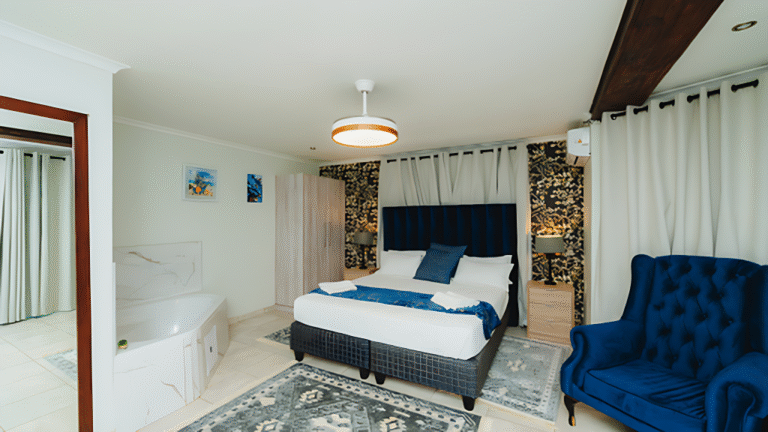
Typical hotel, guesthouse, or lodge features in Johannesburg include comfortable bedding, en-suite bathrooms, and climate control. A number of properties provide continental breakfast or full meal options, while others offer kitchenettes or access to shared lounges. In family-friendly stays, look for kid-friendly spaces and flexible room configurations. If you’re travelling for business, you may value well-equipped workspaces, in-room desks, and quiet lounge areas. For longer stays, an apartment-style suite with a kitchenette can be a practical choice, giving you flexibility to prepare meals or snacks after a day’s exploring.
Transport and getting around the city are straightforward with a mix of self-drive, rideshare, and public options. If you’re planning day trips to neighbouring attractions or markets, a central base with easy access to major routes can be advantageous. The city’s public transport network is expanding, but ride-hailing services are commonly used by visitors for convenience and safety. Remember to budget for potential traffic, especially during peak hours, and allow extra time when you’re heading to busy attractions or business districts.
The best time to visit Johannesburg spans spring through autumn in the southern hemisphere, roughly September to May. Summers (October to March) can be warm with periodic storms, while winter (June to August) is generally mild and drier. If you’re organising a stay that includes outdoor experiences, mornings and late afternoons are often the most pleasant for parks and walking tours. For those curious about the local calendar, late-year months offer a chance to feel the festive mood in city precincts and markets, though popularity for accommodation and dining can rise then, so booking ahead is wise.
When planning activities, Johannesburg offers a broad mix. Cultural highlights typically include museums and historical sites that reflect the country’s past and its present-day creative energy. You can expect guided or self-guided tours that cover architecture, neighbourhood histories, and public art. For a broader sense of the city’s flavour, consider markets, street food stalls, and cafés in enlivened precincts where you can sample dishes that showcase both local ingredients and international influences. Outdoor options range from city parks and viewpoints to nearby nature reserves and golf courses. Family-friendly attractions and day trips can be a relaxed way to balance a city stay with wider experiences.
Dining in Johannesburg tends to be a lively mix of flavours and styles. In the city you’ll find everything from modern bistros and casual cafés to traditional eateries and contemporary fusion venues. Many hotels and guesthouses partner with nearby restaurants or offer in-house dining, which can be convenient after a busy day of sightseeing or business meetings. As with any trip, it’s useful to read recent guest reviews to gauge the consistency of service and the atmosphere, and to check where reservations are recommended, especially at peak times.
Booking tips:
- Read recent guest reviews to understand safety, cleanliness, and service consistency.
- Check proximity to your planned activities and how you’ll move around the city.
- Confirm included amenities (air conditioning, Wi-Fi, parking) and any additional fees.
- Ask about access to breakfast, dining options, or self-catering facilities if needed.
- Consider a property with flexible cancellation policies in case plans change.
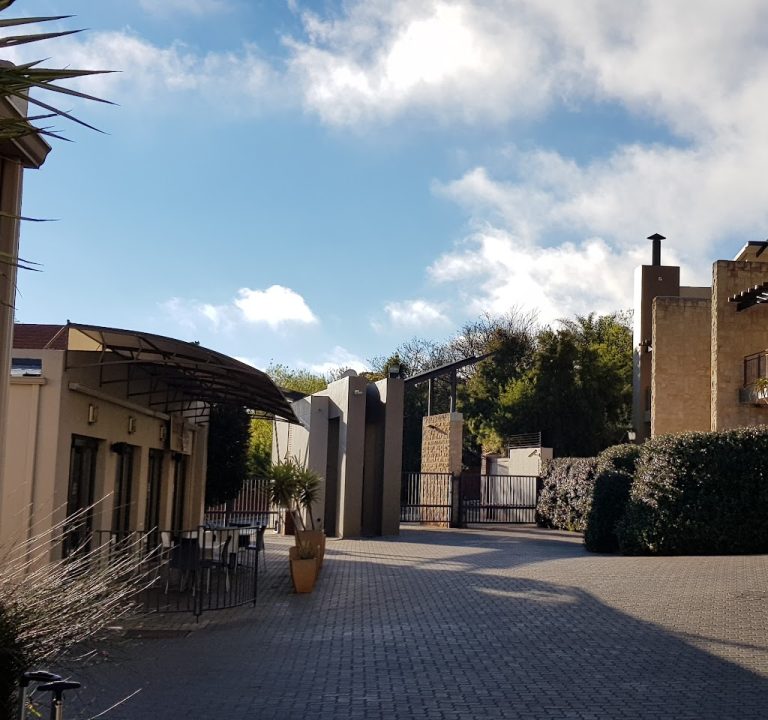
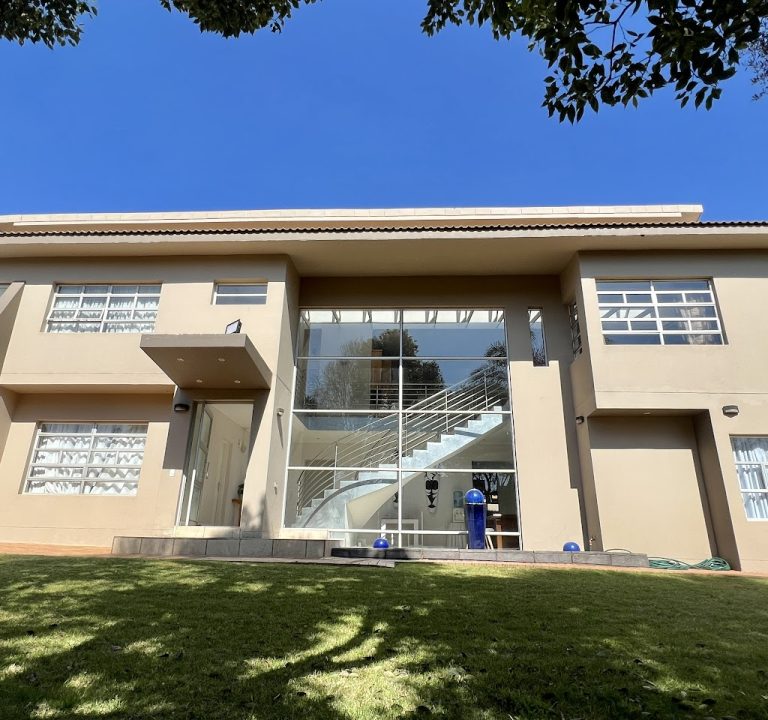
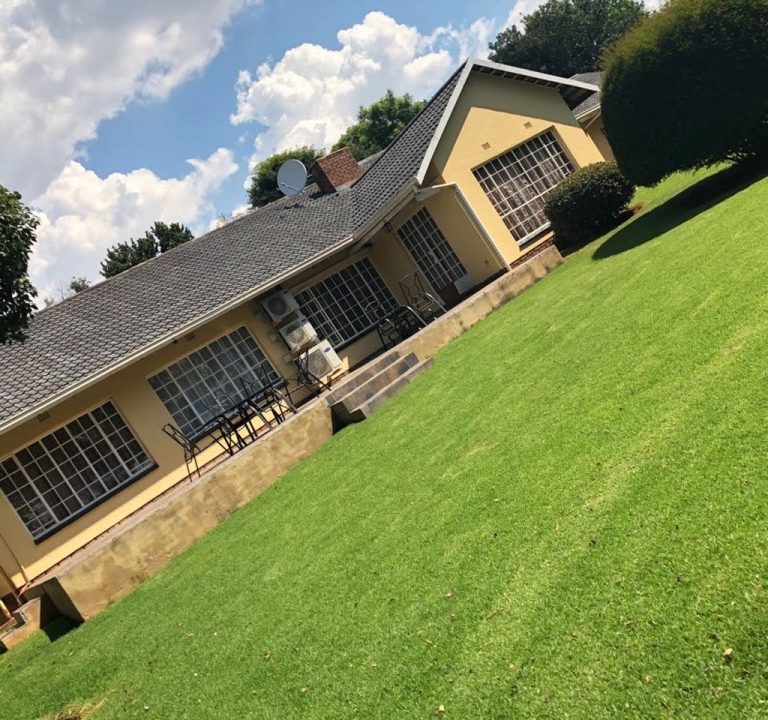
If you’re considering a stay at All Suite on 14th, you might look for how the property balances central access with comfortable suites, parking, and daily housekeeping, while noting nearby dining and light transport links. A well-planned itinerary that combines a few longer city days with a couple of quieter neighbourhood strolls can help you soak up Johannesburg’s energy without feeling rushed. With careful selection of where to base your stay and which activities to pursue, Johannesburg can offer a memorable blend of culture, cuisine and vibrant urban life.