Johannesburg: where stylish stays meet dynamic city life
Johannesburg, or Jo’burg as many locals call it, blends cosmopolitan energy with easy access to nature and culture. When planning a stay in Gauteng’s largest city, think about split stays—a base in a central, well-connected neighbourhood for city days, plus a quieter option nearby if you prefer a slower pace in the evening. From modern hotels to characterful guesthouses and well-appointed BnBs, the city offers a range of accommodation to suit different budgets and styles. Transport connections are a key consideration, with easy access to the motorway network, major highways, and a variety of public transport options. For a first visit, a central area with good road links and walkable dining options can simplify day trips and evening meals.
Popular areas to consider include the central Business District and the northern suburbs, where many contemporary hotels and guesthouses are located. The northern suburbs, including areas such as Sandton and Rosebank, are known for their shopping centres, dining scenes and safer, well-lit streets at night. Areas like Maboneng and Braamfontein offer a more vibrant, artsy atmosphere with stylish boutique stays and a strong local flavour, while Roodepoort and surrounding neighbourhoods provide affordable options and convenient access to northern Gauteng. If you plan to visit the city’s landmarks and museums, staying near major routes or in a well-connected hub can cut down on travel time and make spontaneous evenings easier.
Key features to look for when booking include room size and layout, in-room amenities, and the availability of secure parking. Modern hotels often provide reliable Wi-Fi, on-site dining options, fitness facilities, and 24-hour reception. Guesthouses and BnBs may offer breakfast included in the rate, personalised service, and a more intimate atmosphere. When booking, check the cancellation policy, as flexible options can be valuable for uncertain travel plans. Consider whether you need a 24-hour front desk, on-site parking, and proximity to public transport hubs or ride-sharing pick-up points. For family trips or groups, look for multiple bedrooms or suites, and facilities such as a kitchenette or common areas for socialising.
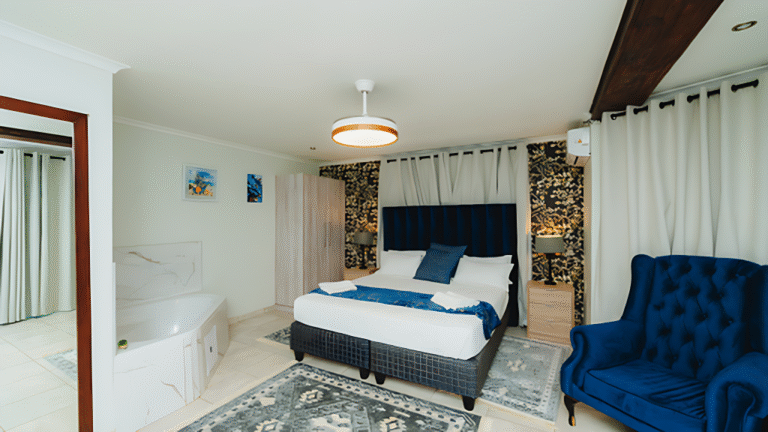
Typical amenities to expect include air conditioning, comfortable bedding, adequate storage, and reliable security features. In a Southern African city, a well‑equipped air-conditioned room can be a blessing during hot summer days. If you prefer a more boutique feel, you may find design-led interiors, curated art, and distinctive touches that reflect Johannesburg’s creative scene. For those who travel for business, proximity to conference centres and business districts can save time, while leisure travellers may prioritise proximity to dining and nightlife.
Transport options are worth planning in advance. Johannesburg’s roads can be busy, particularly during peak hours, so allow extra time when travelling between suburbs. If you prefer public transport, the Gautrain offers rapid connectivity to Pretoria and the Sandton area, though local taxi services or rideshare apps are widely used for shorter hops. Depending on your stay, a rental car can give you the flexibility to explore beyond the city centre, including nearby nature reserves and higher‑lying viewpoints for panoramic city views. For those who enjoy walking, some central districts feature pedestrian-friendly streets and lively street markets, especially on weekends.
The best time to visit Johannesburg for accommodation value tends to be during the shoulder seasons, when the weather is pleasant and popular areas aren’t as crowded as during peak holidays. Summers can be hot and humid with afternoon thunderstorms, while winters are generally mild, with cooler evenings. Regardless of the season, mornings and late afternoons are ideal for sightseeing, with many attractions offering outdoor spaces that are pleasant when the weather cooperates. Plan for occasional rain in the summer months and keep an eye on local event calendars to avoid peak accommodation days if you’re sensitive to crowds.
When it comes to activities, consider a mix of cultural exploration, city views and relaxed dining. Johannesburg offers galleries, markets, and museums that capture the city’s diverse heritage. A visit to local dining districts provides opportunities to sample a range of cuisines—from modern South African tasting menus to international fare and casual street‑style eateries. Many neighbourhoods also feature vibrant coffee shops, bakeries, and casual bistros that are friendly to travellers seeking relaxed daytime breaks or late-night meals. If you enjoy guided experiences, look for walking tours that focus on street art, history, and local stories, which can enrich your time in the city.
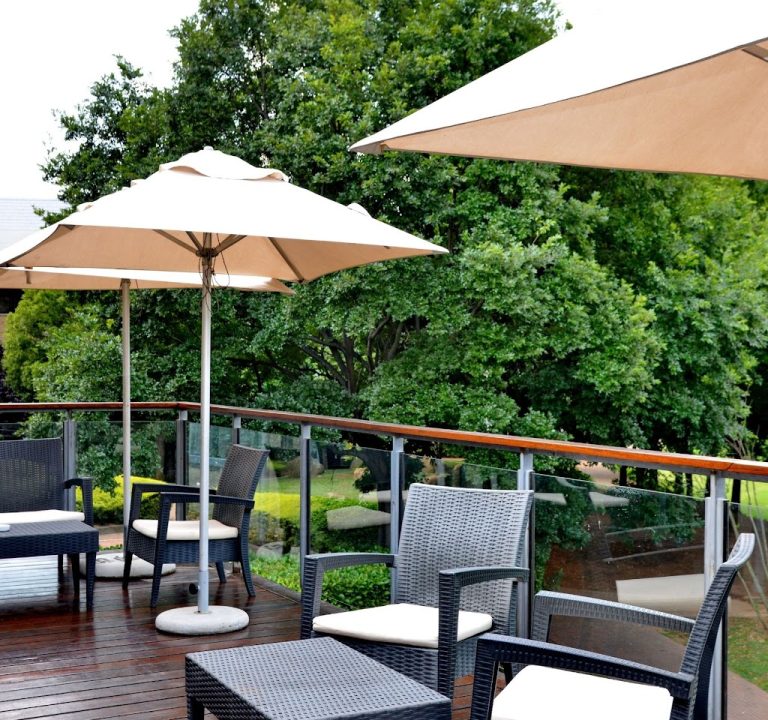
For a practical example of accommodation in the city, consider hotels within roading hubs that combine comfort with easy access to transport links. One example is ANEW Hotel Roodepoort Johannesburg, which represents the kind of modern, well‑furnished option available in the broader Johannesburg area. The hotel’s website provides details on location, facilities, and booking options, and can be a useful starting point when planning a stay that balances business convenience with relaxed leisure time. Visit the hotel’s official site at https://anewhotels.com/hotels/roodepoort/ for more information and to compare with other neighbourhoods and styles.
In short, plan a stay in Johannesburg with a focus on a central, well-connected base, an amenity mix that suits your rhythm (work-friendly spaces plus comfortable rest), and a mix of indoor and outdoor activities. With careful selection, you can enjoy a city that feels energetic by day and welcoming by night, all while using your base as a reliable springboard to the wider Gauteng region.