Johannesburg: accommodation, areas to consider and making the most of a stay
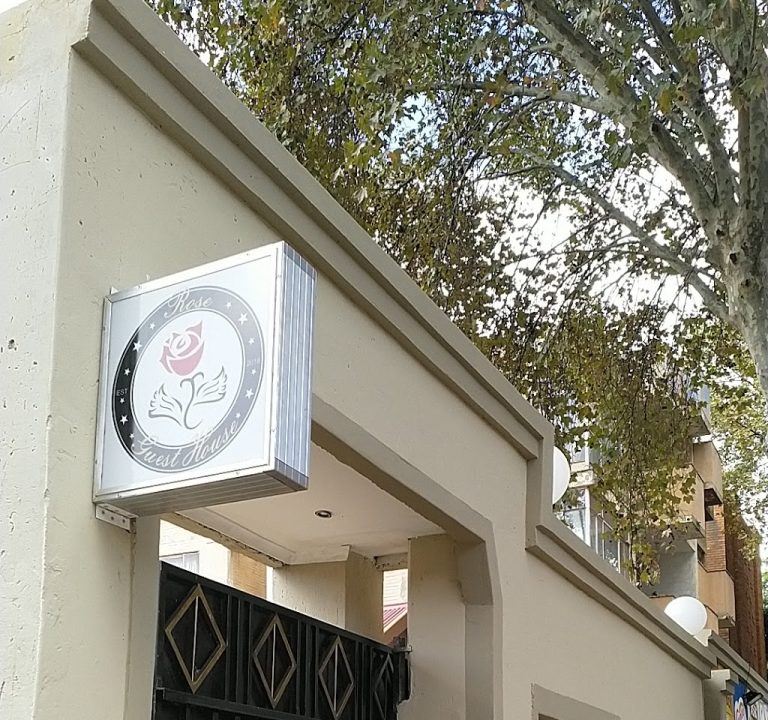
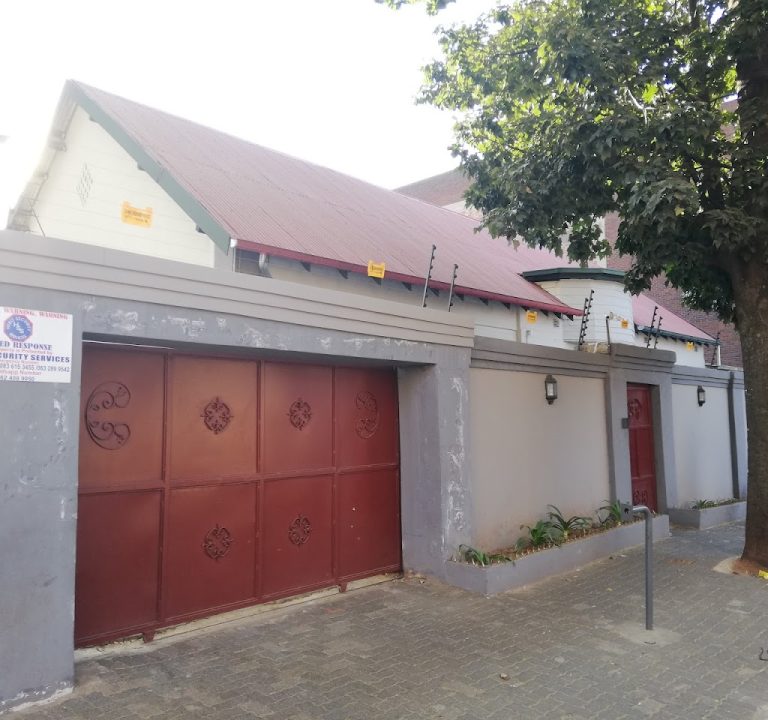
Johannesburg, Gauteng, is a dynamic gateway to South Africa’s cultural heritage, modern electronica of urban life, and a thriving dining scene. When planning a stay, consider choosing a neighbourhood that aligns with your interests, whether that means easy access to business hubs, vibrant arts districts, or quieter residential streets with a friendly guesthouse atmosphere. For travellers seeking a personal touch, a guest house such as dejazzy guest house can offer a cosy base with local insights, while a boutique hotel or lodge may provide a touch more luxury and purpose-built services.
Areas to consider
- Sandton: Known for its business district and upmarket shopping, Sandton is convenient for longer stays with easy access to the Gautrain and major highways. It suits travellers who value modern rooms, security, and proximity to corporate venues.
- Rosebank: A well-connected hub with markets, malls and a strong dining scene. Rosebank is walkable, safe, and convenient for exploring on foot or using rideshare services.
- Maboneng and Braamfontein: For culture enthusiasts, these inner-city districts offer galleries, street food, and a lively night-time atmosphere. Hotels and guest houses here tend to be stylish and design-forward.
- Newtown and Melville: A balance of nightlife, independent cafés, and historical character. These areas are great for visitors who want a more intimate, neighbourhood feel while staying close to central attractions.
- Johannesburg North and other leafy suburbs: If you prefer a calmer stay, consider guest houses in safer residential areas with easy access to parks and leafy streets, while still being within reach of the city centre by car or rail links.
What to look for when booking
- Safety and access: Look for well-lit entrances, reliable security, and clear advice on safe transport options, especially if you plan evening outings.
- Location relative to your plans: Consider proximity to your must-see attractions, business meetings, or transport hubs such as the Gautrain stations.
- Amenities and configuration: Check room layouts, soundproofing, air conditioning or heating for varying weather, reliable Wi‑Fi, and a comfortable workspace if you need to work during your stay.
- Breakfast and dining: Many guest houses offer continental or full breakfast; some offer dinner options or easy access to nearby eateries. If you have dietary needs, enquire in advance.
- Transport access: Confirm whether parking is available if you’re driving, and whether the property can assist with safe airport or city transfers.
- Reviews and host interaction: Guest experiences can highlight real-world comfort, helpful host recommendations, and the level of service you can expect during your visit.
Typical amenities you might find
- Clean, comfortable bedrooms with en-suite bathrooms or dedicated shared facilities
- Daily housekeeping and fresh towels, with options for additional cleaning on request
- Free Wi‑Fi and workspaces, sometimes with a dedicated lounge or courtyard
- Common areas such as a garden, veranda or courtyard for relaxing after a day out
- On-site or near-site parking, secure access systems and reliable security
- Concierge-style help with local recommendations, tours, and restaurant reservations
Transport and getting around
Johannesburg is a sprawling city, and planning transport is essential. The Gautrain is a rapid rail option that connects Johannesburg with Pretoria and OR Tambo International Airport, offering a fast alternative to road travel for certain routes. In the city centre and northern suburbs, rideshare apps are a common choice for short trips and evenings out. If you stay in a guest house with parking, you may opt to drive, but be mindful of peak-hour traffic and limited parking in busy districts. When arriving, ask for the best routes to your planned attractions and whether your accommodation offers shuttle services or airport transfers.
Best time to visit and practical tips
Johannesburg enjoys a mild climate with distinct wet and dry seasons. Many travellers prefer the drier months (typically late autumn to early spring in UK terms), which tend to offer clearer days and fewer thunderstorms. If you travel during the summer, pack light clothing for heat and a rain jacket for sudden showers. Plan outdoor days to include early morning or late afternoon hours to enjoy parks, markets and open-air art installations without the peak noonday heat.
Practical tips for a smooth stay
- Book in advance for popular periods and consider a stay near a transport hub to simplify onward travel.
- Check cancellation policies and whether breakfast or other meals are included as part of your stay.
- Ask hosts or guest house managers for safety tips and recommendations for authentic dining and local experiences.
- Pack sunglasses, a light scarf, and comfortable walking shoes, especially if you plan to explore on foot in the city centre or design districts.
- Explore a mix of experiences, from markets and art galleries to parks and historic sites, to gain a well-rounded sense of the city.
Attractions and experiences in general terms
While this article does not name every venue, Johannesburg offers a blend of cultural precincts, vibrant markets, museums and parklands. Visitors commonly enjoy exploring city views from vantage points, discovering street art in urban districts, and sampling a spectrum of dining anywhere from casual eateries to sophisticated eateries. For a sense of the area’s energy, walkable precincts with galleries, cafés, and live music are typically rewarding. When planning, consult official tourism resources for current exhibitions, seasonal performances and guided tours that suit your interests.
For guests considering a stay with a personal touch, a guest house such as dejazzy guest house can offer a welcoming base with insights from local hosts. For more information on Johannesburg’s accommodation options, practical travel tips, and current attractions, you may wish to visit regional tourism pages or city guides that cover Gauteng’s capital city. Useful starting points include national and provincial tourism sites and regional visitor information portals.