Johannesburg: Accommodation, attractions and planning your stay in Gauteng
Johannesburg, or Jo’burg as many locals affectionately call it, offers a diverse mix of stays that suit a range of budgets and styles. Whether you favour a stylish lodge on the edge of the city, a boutique guesthouse in a leafy suburb, or a modern apartment near the buzz of a restaurant and nightlife scene, there are options to fit most itineraries. When planning a stay, think about which area best reflects the experience you want, how you will move around, and what you hope to see and eat during your visit.
Key accommodation areas include Sandton, Rosebank and the northern suburbs for convenience to business districts and shopping, plus a wider selection of contemporary lodges and guesthouses. Maboneng and Braamfontein offer a more urban, artsy vibe with easy access to eateries, markets and galleries. For a culturally rich and historic perspective, Soweto provides a different pace and plenty of story-filled streets. If you are visiting for family-friendly activities or theme parks, the Gold Reef City area can be a practical base with relatively straightforward transport to central Johannesburg and beyond.
When choosing where to stay, consider:
- Proximity to the sights you plan to visit and access to reliable transport options.
- Whether you prefer a quiet residential feel or the energetic bustle of a city stay.
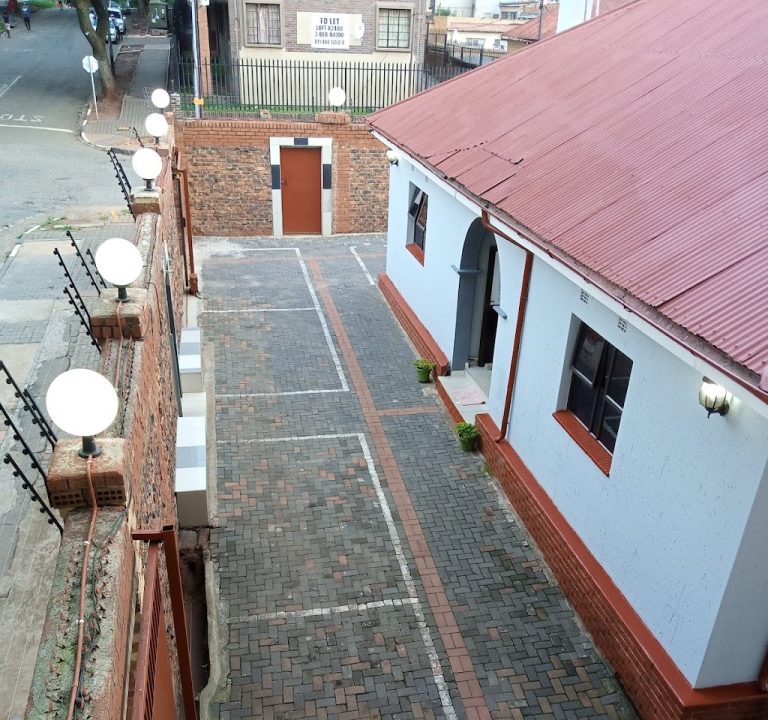
- Parking facilities if you are driving, or proximity to ride-hailing services for convenience.
- Guesthouse or lodge amenities that matter to you, such as a swimming pool, on-site dining, or strong Wi‑Fi for work or streaming.
- Access to safe and well-lit areas for evening strolls and dining nearby.
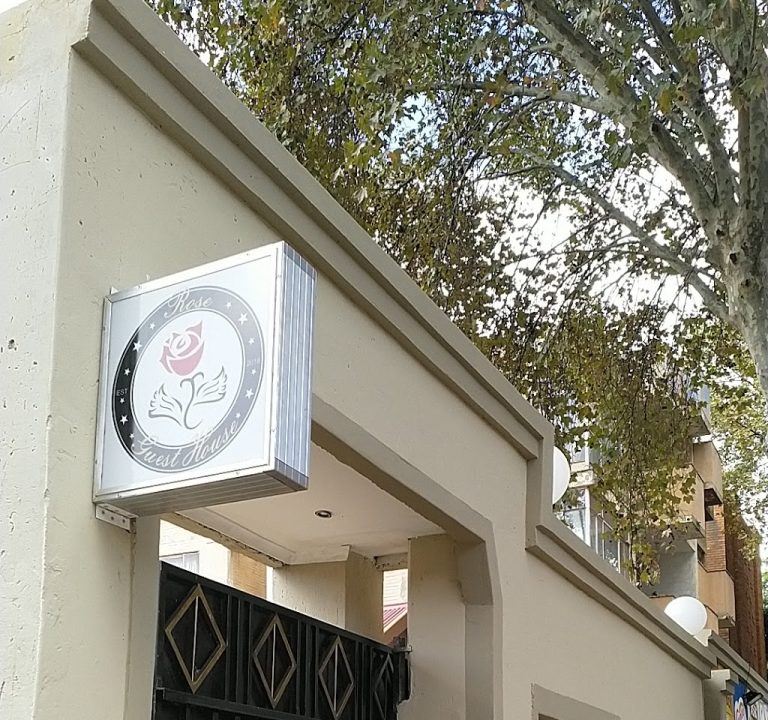
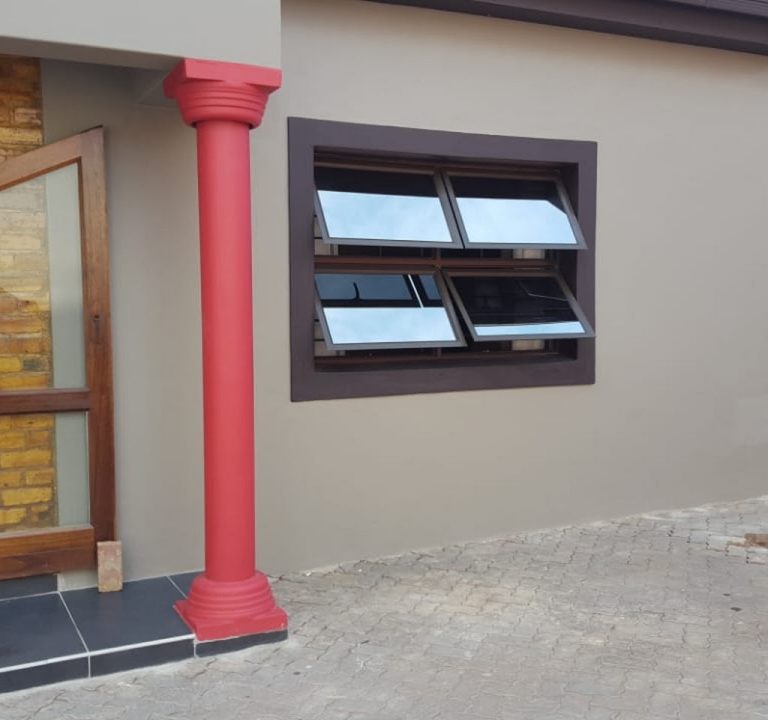
Typical amenities you might encounter include a welcoming reception, daily housekeeping, continental or cooked breakfast, and options for self-catering. Lodges in Johannesburg often offer well-appointed rooms, serene gardens, and thoughtful touches like guest lounges or outdoor seating areas. Boutique guesthouses may provide personalised service, with staff able to recommend local eateries, markets and hidden courtyards that showcase the city’s personality. When booking, confirm details such as check-in procedures, whether meals are included, and if there are any curfews or noise policies that could affect your plans.
Transport is an important planning factor. The city’s layout spread means you’ll ideally have a car or access to reliable ridesharing. Some areas, like central Johannesburg and northern suburbs, are well served by a range of taxi and ride-hailing options, while others are more residential and require pre-arranged transfers. If you prefer not to drive, look for accommodation with easy access to main routes and, if possible, proximity to a convenient rail or bus link. Major arteries can experience heavy traffic at peak times, so planning morning and late-afternoon trips with some padding is wise.
Best time to visit Johannesburg tends to be during the South African autumn and spring—roughly March to May and September to November—when temperatures are comfortable and skies are often clear. The city’s vibrant indoor and outdoor scenes are a draw year-round, but you may wish to avoid the peak heat of midsummer or the rainy spells of winter depending on your comfort with the elements. If you plan to explore outside the city, allowing a little extra time for travel can pay off, given the occasional delays on busy routes.
Attractions and experiences in and around Johannesburg cover nature, history, culture and gastronomy. Iconic city viewpoints, parks and nature reserves offer green respites, while museums and heritage sites reveal South Africa’s turbulent but inspiring past. Food lovers can sample a spectrum of cuisines—from modern, market-style eateries to traditional and contemporary South African fare—often in lively districts with social and artistic energy. For a well-rounded visit, pair a day of shopping or gallery hopping with a calmer afternoon at a garden or café, followed by an evening meal in a vibrant neighbourhood that suits your pace.
Practical tips to help your stay run smoothly:
- Book a property with clear photos, recent guest reviews, and transparent cancellation terms.
- Check if the listing offers convenient breakfast options or full catering if you prefer not to eat out every day.
- Ask hosts or staff about the safety of area walking routes at night and recommended dining options nearby.
- Prepare for variable traffic and plan arrival and departure times to avoid peak congestion.
- Consult official regional resources for up-to-date events, markets and seasonal activities.
A notable lodge option to consider for a focused stay in Johannesburg’s broader setting is De-Fountain Lodge, which sits within the lodge category and can provide a relaxed base from which to explore the area. If you would like more details or current availability, you can browse the lodge’s official site or consult general tourism information at Gauteng’s official pages for Johannesburg, which offer tips on routes, sights and seasonal happenings.
For inspiration and practical planning, explore a few trusted online guides and regional tourism pages before you travel. A well-planned itinerary balances accommodation, transit times and downtime, ensuring you experience the city’s energy while enjoying comfortable, friendly lodgings. With thoughtful choices, Johannesburg can feel both comfortably familiar and excitingly new, making your Gauteng stay memorable rather than merely practical.