Johannesburg: Where to stay, what to do, and how to plan a great visit
Johannesburg, or Jo’burg as many locals call it, is a sprawling metropolis with a mixture of modern city hotels, stylish guest houses, and character-filled neighbourhoods. When planning a stay, consider both convenience and character: a well-situated base can cut travel time and put you close to a favourite blend of culture, cuisine, and history. The city’s diverse districts each offer a different flavour, from tree-lined suburbs with boutique accommodation to energetic urban precincts framed by galleries, markets, and vibrant dining scenes.
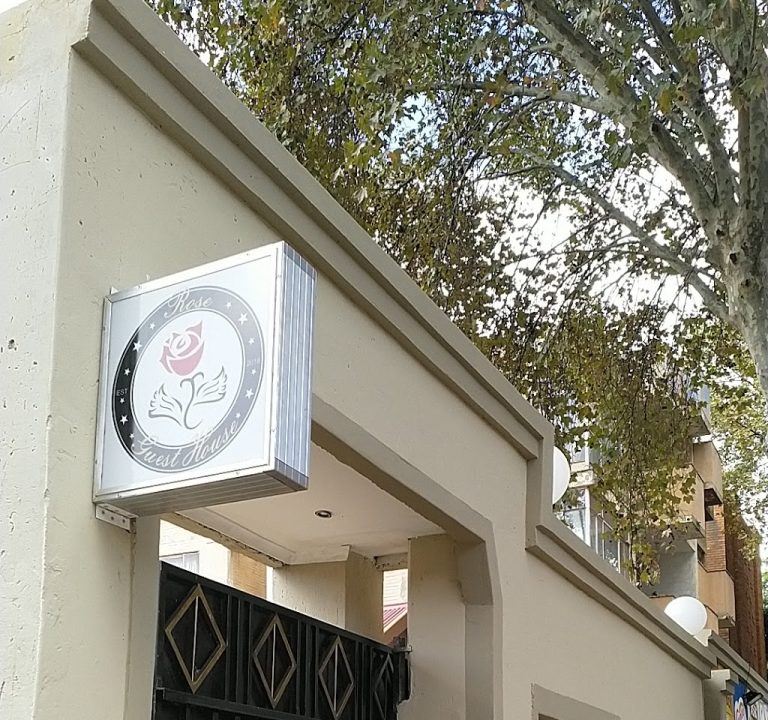
Accommodation options range from chic guest houses to contemporary hotels and serviced apartments. For a personalised touch, guest houses such as those run by local operators often combine comfortable rooms with breakfast and a friendly, neighbourhood atmosphere. If you value proximity to business hubs, consider areas near Sandton or Rosebank, while those seeking street art, market culture, and nightlife may prefer Braamfontein or Maboneng. For a more intimate experience, a well-run guest house in a quieter residential area can offer a restful retreat after a day of exploring the city’s highlights.
What to look for when booking includes a clear sense of security, especially if you’re travelling after dark. Check whether the property has secure parking or easy access to public transport. Ask about the rooms themselves—en-suite bathrooms, air conditioning or heating, reliable Wi‑Fi, and adequate storage are common, but it’s worth confirming. If you have mobility needs, verify access and lift availability. A thoughtful host or staff team can be invaluable in helping you plan day trips, book tours, or point you toward reliable transport options.
Typical amenities to expect in quality accommodation include continental or full breakfast options, a comfortable communal lounge, and helpful guides or maps to make the most of your stay. Some guest houses extend their hospitality with curated experiences, from neighbourhood walks to introductory tastings of local coffee or cuisine. If you’re staying in a self-contained unit, you’ll usually find a kitchenette or at least a tea and coffee station, which can be convenient after long days of sightseeing.
Transport in Johannesburg is straightforward but requires a bit of planning. The city has a rail link known as the Gautrain in certain corridors, plus a dense network of buses and minibus taxis that connect major hubs. Taxis and rideshare apps are widely available, making it easy to travel between neighbourhoods, cultural sites, and dining districts. If you prefer self-guided exploration, a car can offer the most flexibility, but be mindful of traffic, peak hours, and parking situations in busier areas. In many central areas, walking is feasible for short trips, and some districts are best explored on foot to soak up street life, markets, and architecture at a comfortable pace.
The best time to visit Johannesburg depends on your priorities. The city enjoys warm summers with afternoon thunderstorms and cooler, dry winters. If you’re chasing outdoor experiences and longer daylight hours, the spring (September to November) and autumn (March to May) months are pleasant. Winter travel (June to August) brings crisp mornings and mild days, which can be ideal for city walks and museum visits, though evenings can be cool. If you plan to combine a game drive day trip or a visit to nearby natural attractions, consider booking those activities in advance, especially during peak school holiday periods.
Neighbourhoods to consider for accommodation and exploring include:
- Sandton and Rosebank: business-friendly districts with upmarket dining, shopping, and easy access to rapid transit links.
- Braamfontein and Newtown: close to museums, galleries, theatres, and a lively nightlife scene.
- Melville and Parkhurst: more relaxed, bohemian corners with boutique shops and café culture.
- Soweto: a historic heartland offering guided tours, cultural insights, and a sense of the city’s broader story.
- Hillbrow and the northern suburbs: vibrant urban life with diverse dining and an evolving arts scene (safety considerations apply; join guided experiences for comfort).
Practical tips to help you make the most of your stay:
- Book in advance for popular dates and consider a place that offers flexible cancellation in case plans shift.
- Ask hosts about recommended local eateries, markets, and safe transport options for evenings.
- Pack layers for variable weather and comfortable walking shoes for urban exploration.
- Confirm the dining arrangements, especially if a cooked breakfast or on-site restaurant is part of the package.
- Respect local customs and safety guidance, and keep valuables secure in busy areas.
When it comes to planning activities, Johannesburg’s attractions are rooted in both history and contemporary culture. Expect experiences centred on South Africa’s past, modern art and neighbourhood vibes, and access to natural escapes a short drive away. Dining ranges from classic South African cuisines to cosmopolitan menus reflecting a global palate. Rather than tying yourself to specific names or prices, use a mix of museum days, guided walks, and street-food explorations to shape your itinerary. If you seek a more intimate lodging option with a personable touch, a guest house such as HisandHers Guesthouse could provide a comfortable base from which to discover the city, while supporting hosts who can tailor recommendations to your interests and pace.
In short, Johannesburg rewards thoughtful planning and flexibility. Choose a neighbourhood that aligns with your interests, prioritise security and reliable transport, and balance indoor cultural experiences with outdoor or market-based explorations. With the right base and a well-paced plan, you’ll experience a dynamic city that blends history, art, cuisine, and the warmth of South African hospitality.