Johannesburg: a travellers’ guide to accommodation, sights and dining
Johannesburg, Gauteng’s bustling economic heart, offers a wide range of places to stay that suit city explorers, business travellers and families alike. From design-forward boutique hotels to comfortable guesthouses and well-appointed lodges, you can choose a neighbourhood that aligns with your plans, whether you crave easy access to museums and markets or a more relaxed base close to parks and green spaces.
When planning a stay, consider areas that match your priorities. Sandton is a bright, modern hub with high-end shopping, financial institutions and excellent transport links. Braamfontein and Maboneng offer a hip, arts-driven vibe with coffee roasters, galleries and lively nightlife, while Rosebank provides a convenient mix of shopping and easy access to public transport. Soweto, with its expansive history and community-led experiences, offers a different pace and perspective, often at a more accessible price point. If you prefer a quieter, leafy feel with easy access to central sights, suburbs such as Melville or Greenside can be appealing. For those arriving by air, proximity to OR Tambo International Airport or convenient Gautrain connections can influence the choice of base.
Typical amenities to look for when booking include reliable Wi‑Fi, air conditioning or heating for all seasons, a comfortable workspace if you’re travelling for business, and good security. Breakfast options, on-site eateries, or a well‑equipped kitchenette can be a big plus, as can on-site parking or easy access to safe public transport. Modern hotels often provide a fitness area, small business centres, and guest lounges, while boutique properties may emphasise unique design, personalised service and curated local experiences. If you’re travelling with family, check for family rooms, cribs or connecting rooms, and whether the property can assist with child-friendly dining options or activities nearby.
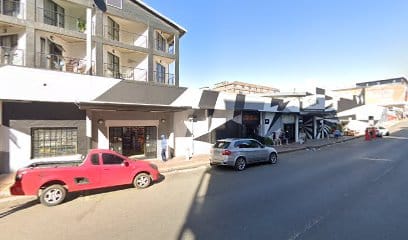
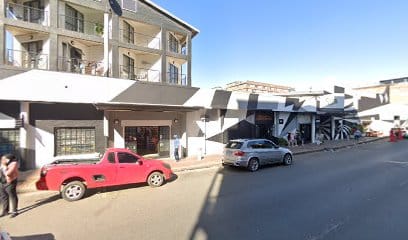
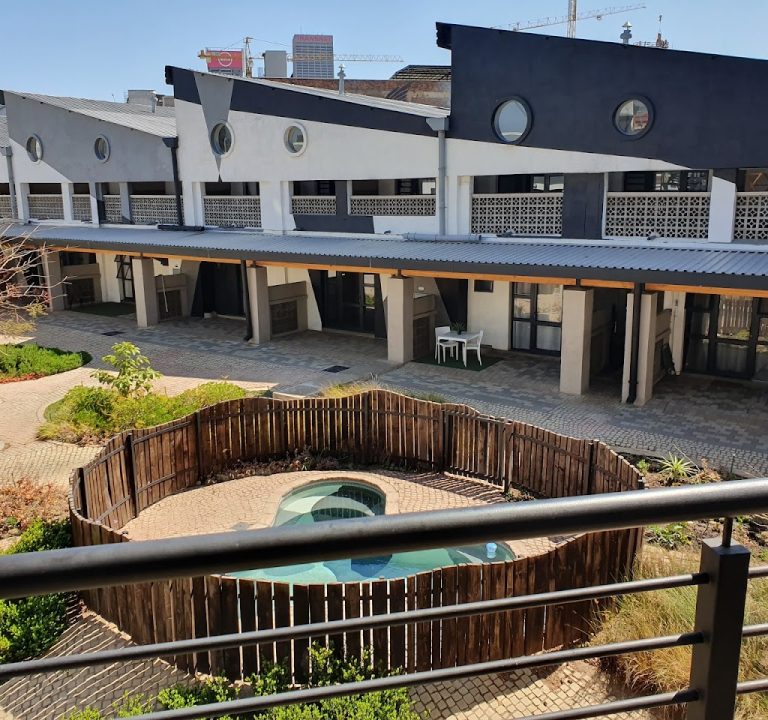
One example of accommodation with a distinct character is Craftmanship Hotel, a city-centre option that blends comfort with thoughtful design. It can serve as a comfortable home base for exploring the urban core, while offering convenient access to transport links and nearby neighbourhoods. When researching a stay, read recent guest reviews to gauge things like noise levels, staff attentiveness and how well the property handles peak times during weekends or events.
Good transport links can make a big difference to your Johannesburg visit. The city benefits from the Gautrain network, which connects airports and the northern suburbs to central areas efficiently. In central Johannesburg, Uber, Bolt and metered taxis are common, and many hotels offer shuttle services or parking options. For those who enjoy a slower pace, walkability and short rides to museums, markets and city parks can be a practical choice, especially in the central business district and the LGBTQ+ friendly zones. If you’re planning day trips, consider a base with easy rail or road access to Soweto or the nearby Cradle of Humankind for half-day or longer excursions.
Top sights and experiences fall into a few broad categories: world-class museums and galleries, revived inner-city districts, markets and street food scenes, and green spaces that provide a respite from the urban pace. The city’s museums tell compelling stories of South Africa’s past and present, while entertainment districts and craft markets showcase local creativity. Architectural contrasts—from historic sandstone edifices to modern glass towers—visually reflect the country’s diverse heritage. For many visitors, a guided or self-guided township or city tour adds depth and context to the stay, offering insights into daily life, music, art and food.
When it comes to dining, Johannesburg’s offerings range from casual eateries serving vibrant street-style flavours to refined dining rooms focusing on contemporary South African cuisine. In most neighbourhoods you’ll find friendly casual spots for breakfast or brunch, and a handful of well-regarded restaurants that showcase seasonal ingredients and modern techniques. Reservations are wise for popular weekends or special occasions, and many establishments post menus and opening hours online, making it easy to plan ahead. If you’re exploring markets or neighbourhood eateries, budget-friendly meals often deliver excellent value and a window into local life.
Practical planning tips for a smooth stay in Johannesburg:
- Choose a base with clear access to your planned activities and reliable transport options.
- Check for security features such as 24-hour reception, secure parking or safe in-room storage.
- Pack layers for variable weather: Johannesburg can be cooler in the evenings, even when days are warm.
- Lightweight, comfortable walking shoes are useful for district explorations and market strolls.
- Stay aware of your surroundings, particularly in busy urban areas; keep valuables secure and avoid flashing cameras or jewellery at night.
- Plan restaurant visits with a mix of casual and more formal options to suit different days and moods.
- Book in advance for popular attractions and consider guided experiences to gain deeper insights into the city’s history and culture.
Best time to visit Johannesburg tends to be during the austral winter months of May to September, when daytime temperatures are pleasant and rainfall is low, though evenings can be chilly. The southern hemisphere summer (October to March) brings warmer days with the possibility of late-afternoon showers, which can be perfect for museum days or market visits when the city is lively with events and markets. Whatever the season, a well-planned itinerary balanced with downtime in parks or cafés helps make the most of a Johannesburg stay.