Johannesburg: Accommodation, Attractions and Practical Tips for Visitors
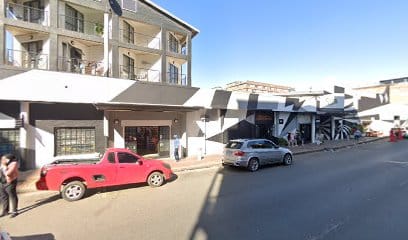
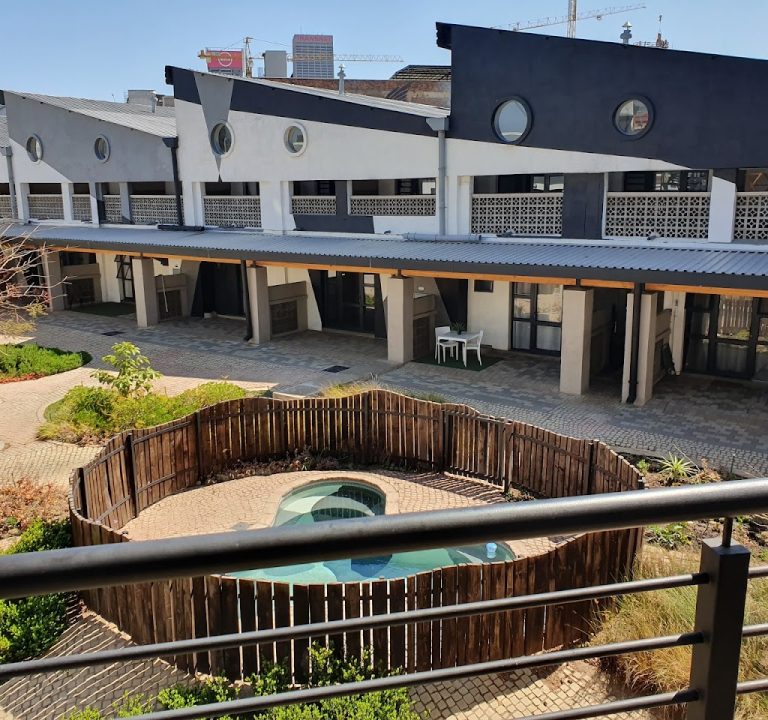
Johannesburg, the vibrant gateway to South Africa’s Gauteng province, offers a wide range of places to stay for every traveller. From intimate bed & breakfasts in buzzy inner-city districts to modern hotels set against city skylines, the city provides options that suit both short breaks and longer stays. For guests seeking a more personal experience, a few well chosen B&Bs can feel like a stylish home away from home. An example to consider is a boutique bed & breakfast located in The Heart of Maboneng, often described as a lively neighbourhood where art, dining and design converge. Such a base can place you close to galleries, cafés and markets, while still keeping the pace of city life manageable.
When planning a stay, start by identifying the area that best matches your interests and travel style. The central business district and surrounding precincts tend to offer excellent access to transport routes, late-night eateries and cultural venues. Suburbs with leafy streets and guesthouses near parks, or near the Sandton business district and northern suburbs, can provide a calmer atmosphere with easy access to shopping centres and business facilities. If you are after a cinema, theatre and food-focused experience, consider neighbourhoods that blend vibrant street life with comfortable lodgings.
Booking considerations are worth weighing carefully. Look for properties with clear descriptions of room types, bed configurations and breakfast arrangements. For B&Bs, confirm whether breakfast is included, and whether it is served socially in a dining room or offered as a continental option that can be taken to your room. Check the level of privacy and whether shared facilities suit you. In all cases, read recent guest reviews to gauge consistency in areas such as cleanliness, security and responsiveness of the host or management.
Typical guestroom amenity expectations include comfortable beds with good quality linens, en suite bathrooms or well appointed shared facilities, reliable Wi-Fi, air conditioning or efficient cooling, and secure entry. Parking availability is a common requirement for visitors who plan to hire a car or explore by private transfer. If you rely on taxis or ride-hailing services, confirm proximity to major routes or pedestrian-friendly streets, and whether the property can assist with coordinated pickups for day trips.
Transport within Johannesburg is best planned with an eye to safety and convenience. The city is well served by a rail link to the airport and other urban nodes, including a regional express network known to some travellers as a fast route to the suburbs. Within the city, rideshare apps and local taxi services are common modes of getting around, and many hotels and guesthouses offer shuttle arrangements or parking on site. When you book, check whether the area has well-lit streets at night and whether public transport frequencies align with your planned activities. If you intend to explore beyond the central areas, a car can be a practical option, especially for day trips to nearby towns and attractions.
The best time to visit Johannesburg depends on your plans. Winters (May to August) are dry and mild, with cooler nights, making it comfortable for city walking tours and outdoor sightseeing in daylight. Spring (September and October) brings a burst of colour as jacaranda trees bloom, while the late summer months (February and March) can be warmer with afternoon thunder showers. If you are visiting for business or a festival, align your stay with event calendars and consider booking well in advance for peak periods.
Attractions and experiences in Johannesburg are as diverse as the city itself. You can expect world-class museums and galleries, engaging historical sites, and markets or dining precincts that showcase South Africa’s culinary diversity. Many visitors enjoy guided tours that explain the country’s complex history and contemporary culture, paired with opportunities to sample regional dishes in a relaxed setting. For those who prefer a more leisurely pace, pleasant parks, viewpoints, and leafy neighbourhoods offer ample opportunities for strolling, photography and café hopping. In the evenings, neighbourhood dining spots and casual eateries provide a range of flavours, from traditional favourites to modern fusion fare.
Dining in Johannesburg spans quick bites to refined meals, with a strong emphasis on fresh ingredients and innovative presentations. Local eateries commonly offer dishes inspired by a mix of influences, including regional staples and contemporary international trends. When planning meals, consider trying a few different precincts to experience the city’s culinary breadth, from street-side cafés to more formal restaurants. If you are staying in a B&B or guesthouse, ask hosts for recommendations or a shortlist of trusted venues nearby, as people who live in the area often know hidden gems.
Practical tips for a smoother stay include keeping a small daypack with essentials, coordinating with hosts about check-in and check-out times, and having a rough plan for mornings and evenings. Always secure valuables and use safes where available. If you are organising day trips, check weather forecasts and transport options in advance, and factor in travel times to avoid missing pre-booked activities. It’s wise to book popular experiences through reputable platforms and request written confirmations to avoid last‑minute changes. Finally, be open to adjusting plans on the ground; Johannesburg’s energy shifts with the neighbourhood and the time of day, so a flexible approach can lead to memorable discoveries.
- Consider staying in central or arts-focused areas for convenient access to dining and culture.
- Check what is included with your stay, particularly breakfast and parking.
- Assess transport options and proximity to rail links and major routes.
- Look for properties with quality reviews on cleanliness and security.
- Plan a mix of indoor and outdoor activities to fit the climate and daylight hours.