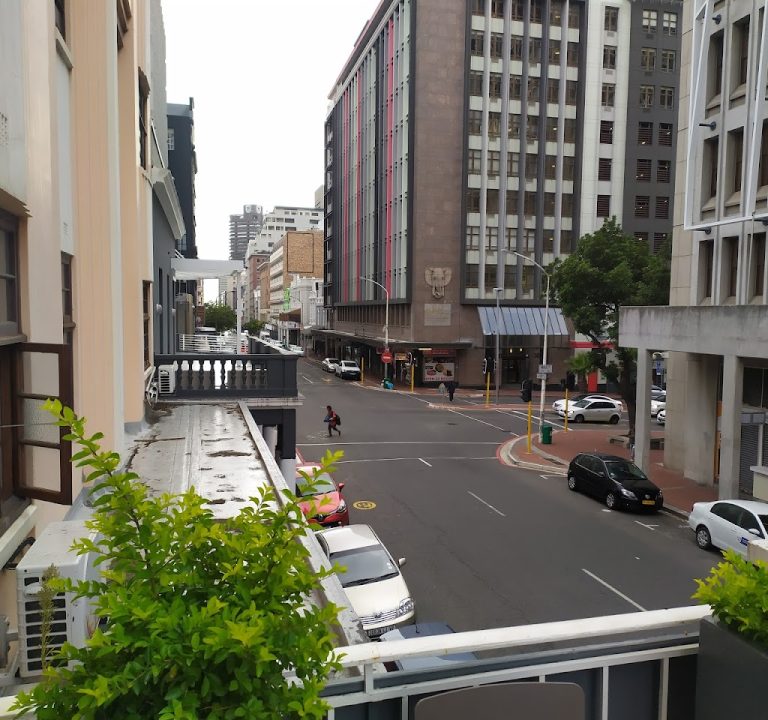
A Traveller’s Guide to Accommodation and Experiences in Cape Town
Cape Town blends dramatic landscapes with a vibrant city life, making it a prime destination for a stay that combines shoreline relaxation, mountain adventures and cosmopolitan culture. When planning where to stay, think about the experience you want: panoramic sea views, easier access to the city centre, or close proximity to the wine routes and coastal trails. From chic boutique guesthouses to spacious family-friendly apartments and stylish hotels, there is a wide range of options to suit different budgets and preferences.
Neighbourhoods to consider include the V&A Waterfront and the central business district for convenience and social energy; the Atlantic Seaboard, with its beachside suburbs such as Sea Point and Camps Bay, for stunning ocean views and easy access to scenic walks; and the iconic Green Point and De Waterkant areas for a lively mix of dining, nightlife and culture. If you prefer a quieter base near nature, the Constantia Valley offers leafy estates and easy access to wine routes, while the southern peninsula around Simon’s Town and Kalk Bay presents ocean scenery and calmer oceanside vibes.
When booking, look for a few practical amenities that can make a big difference to your stay. A reliable Wi‑Fi connection, a well-equipped kitchen or coffee station, secure parking or easy transport links, and flexible check-in options are particularly useful. If you plan longer stays or travel with family, consider serviced apartments or guesthouses with self-catering facilities, as these offer convenience and a more home-from-home feel. For couples or small groups seeking privacy, boutique hotels or guesthouses with en-suite rooms and intimate lounge spaces can be ideal. If you’re visiting during busy periods, check whether the property offers breakfast as part of the rate or parking arrangements for guests, and verify the distance to your planned activities and transport options.
Public transport and getting around Cape Town are straightforward, though some routes may be more convenient with a car. The MyCiTi bus network covers many parts of the city, including the city centre, the Atlantic Seaboard and the southern suburbs. For waterfront and city sights, short rides by Uber or traditional taxis are commonly used. If you’re exploring the Cape Peninsula by road, renting a car gives you flexibility to visit coastal towns, Table Mountain viewpoints, and the Constantia wine route at your own pace. Many guesthouses and hotels can arrange airport transfers or provide guidance on the best local transport options for your itinerary.
The best time to visit Cape Town depends on what you want from your trip. The spring and autumn months (September–November and March–May) offer milder temperatures and fewer crowds, making it ideal for outdoor activities such as hiking up Table Mountain, visiting Kirstenbosch Gardens, or exploring the city’s coastal paths. Summer (December–February) brings warm, dry weather perfect for beaches and harbour outings, though popular sites can be busier. Winter (June–August) is cooler and wetter, but offers dramatic skies and cosy meals in atmospheric eateries. If you’re planning a wine-tasting excursion in Constantia or França Valley (nearby), consider shoulder seasons for more relaxed experiences and easier reservations.
Typical accommodations in Cape Town span a spectrum from period-houses with historic charm to contemporary city-centre hotels and stylish boutique stays. You may encounter amenities such as:
- Complimentary breakfast and light refreshments
- Spacious rooms with en-suite bathrooms and walk-in showers
- City or sea views, sometimes both from higher floors
- Well-equipped kitchens or kitchenettes and tea/coffee facilities
- In-room safes, smart TVs, and secure Wi‑Fi
- Outdoor terraces, gardens, or rooftop lounges
- On-site or nearby fitness spaces and swimming pools
- Concierge services or locally themed experiences and tours
When it comes to planning activities, Cape Town offers a wide array of experiences beyond its famous landmarks. You can arrange a day exploring the nearby Cape Peninsula’s coastal viewpoints, take a cable car up to a dramatic city-facing summit, stroll through historic districts with artisan markets, or join a guided food and wine walk to sample regional flavours. For nature lovers, nearby nature reserves and coastal trails provide opportunities for wildlife watching, penguin viewing, and dramatic photo opportunities of ocean vistas and mountain backdrops. Dining ranges from casual bistros with fresh seafood to more refined establishments offering contemporary takes on South African cuisine—perfect for lingering meals after a day of sightseeing.
Practical tips to help you enjoy Cape Town smoothly:
- Pack layers: the coastal climate can be changeable, with cool mornings and evenings even in warmer months.
- Carry a card or small note with emergency contacts and your accommodation address, even if your phone is reliable.
- Book popular attractions and restaurants in advance during peak seasons to secure preferred timeslots.
- Check if your accommodation provides parking or easy access to public transport to save time.
- Be mindful of safety in busy urban areas; stay in well-reviewed neighbourhoods and use reputable transport options.
- Plan a mix of activities to balance outdoor adventures with downtime in comfortable spaces, like a harbour-side terrace or a boutique lounge.
For those seeking more information online, you can explore official tourism resources and accommodation providers that highlight local experiences, maps, and tips for staying in and around Cape Town. A well-chosen base, a balanced itinerary and a sense of exploration will help you unlock the city’s remarkable scenery, culinary versatility and welcoming hospitality.