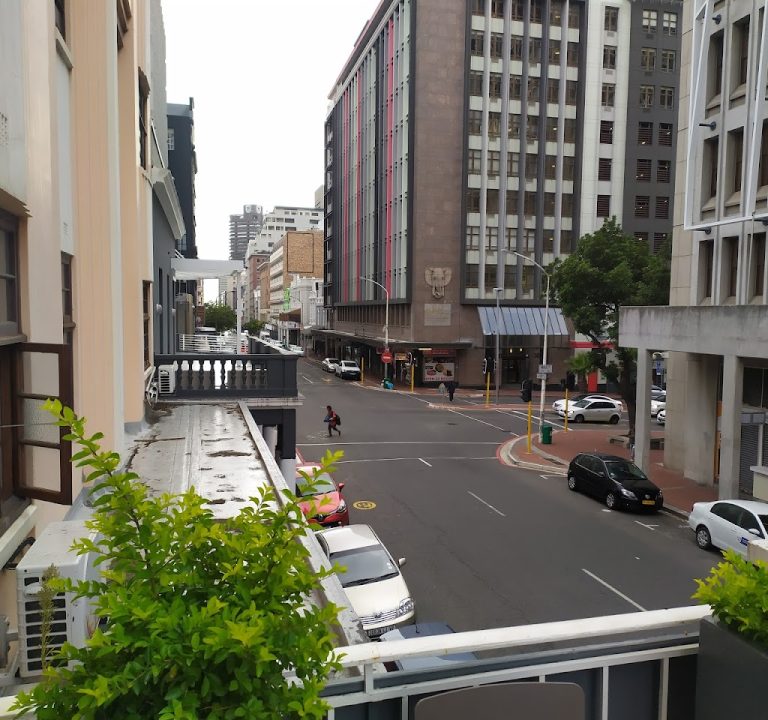
Cape Town: A guide to accommodation, attractions and planning your stay
Cape Town offers a dynamic blend of urban culture, coast and mountains, making it a top destination for visitors to the Western Cape. Choosing where to stay can shape your whole experience, from how you move around the city to the kinds of day trips you can comfortably enjoy. Whether you favour stylish city centres, coastal splendour, or leafy hillside retreats, there are options to suit different rhythms and budgets.
When planning an itinerary, consider staying in one of Cape Town’s well-connected neighbourhoods. The City Bowl places you close to museums, markets and contemporary dining, with easy access to the Cableway for Table Mountain. The Atlantic Seaboard, from trendy seaside neighbourhoods to quieter coves, offers spectacular views and longer walks along the beachfront. Constantia, with its green hills and easy access to wine estates, suits those who want a calmer pace and a touch of countryside within easy reach of the city. For a more historic atmosphere, Bo-Kaap provides colourful streets and proximity to the Green Market Square area. Each area has a distinct feel, so think about what balance of comfort, scenery and convenience you want for your stay.
Typical accommodation types range from boutique hotels and guesthouses to self-catering apartments and lodges. Many properties offer features that make longer stays more comfortable, such as en-suite bathrooms, well-equipped kitchens or kitchenettes, on-site parking, reliable Wi‑Fi, air‑conditioning or heating, and sometimes a pool or communal terrace. If you are travelling as a family or with a group, a serviced apartment or self-catering option can provide flexibility and cost savings, while boutique hotels often offer structured services and a sense of local character. An example of an accommodation with a distinctive style is Daddy Long Legs Art Hotel & Self-Catering Apartments, which combines artistic design with practical self-catering facilities and convenient access to central sights. You can explore its offerings at the official site: http://www.daddylonglegs.co.za/.
Transport in Cape Town is straightforward, though planning ahead helps. The MyCiTi bus network is a popular, affordable option for discovering the city centre and outer districts. Car hire offers maximum freedom for day trips to the Cape Peninsula, Constantia wine routes or wine estates, and smaller towns beyond the city limits. Ride-hailing services are widely used, particularly for evening outings or when you want to maximise time without worrying about parking. If you plan to visit popular natural attractions, starting early in the day can help you avoid crowds and find parking more easily. For adventurous explorers, guided tours can provide context and logistics for minutes spent at viewpoints or historical sites.
The best time to visit Cape Town varies with what you want to experience. Spring (September to November) and autumn (March to May) are often pleasant, with milder temperatures, blooming gardens and fewer peak-season crowds. Summer days can be sunny and lively, ideal for beach time and outdoor dining, while winter brings cooler, wetter weather that still offers rich indoor experiences such as museums, markets and culinary courses. Pack layers: a sun hat for the day, a light jacket for evenings, and comfortable walking shoes for hills and coastal paths. If you are sensitive to wind or cooler coastal breezes, plan harbour or Table Mountain activities for afternoons when the breeze tends to ease slightly.
Top experiences span nature, culture and cuisine. Iconic viewpoints and natural pauses include Table Mountain or the surrounding plateau, which reward visitors with sweeping urban panoramas and sea vistas. The nearby coastline and beaches offer dramatic scenery and protected coves for a stroll or an ice-cream stop. The V&A Waterfront is a hub for shopping, dining and waterside walks, while Robben Island offers a sobering reminder of history with ferry trips and guided tours. Gardens such as Kirstenbosch provide a serene refuge with mountain backdrops, and the Cape Peninsula drive is famed for its dramatic coastal routes and lookout points. Alongside natural wonders, Cape Town’s culinary scene emphasises fresh seafood, multicultural influences and seasonal produce, with countless restaurants offering informal eateries as well as refined dining experiences.
When booking, consider these practical tips to optimise your stay:
- Check the property’s cancellation policy and what is included in the rate (some listings include cleaning, electricity or parking).
- Look for transport-friendly options near MyCiTi stops or with easy car parking if you plan day trips.
- Read guest reviews for insights on noise levels, room layouts and the reliability of amenities like Wi‑Fi and kitchens.
- Ask about access to outdoor spaces if you enjoy breakfasts on a balcony or courtyard or a pool area for sunny days.
- Consider the layout and accessibility of the accommodation if you are travelling with children or luggage-heavy groups.
For a well-rounded stay, pair your chosen base with a mix of activities: a morning ascent or cableway ride up Table Mountain, a day exploring markets and historic streets, a coastal drive to the Cape Peninsula, plus a few hours in a botanical garden or wine estate. Cape Town’s diverse neighbourhoods invite you to tailor your days—savouring casual seaside cafés one day, and enjoying a more formal dining setting the next—without losing sight of practical travel needs.