Cape Town Stay: Finding the Right Accommodation and Making the Most of the City
Cape Town in the Western Cape combines dramatic landscapes with a rich mix of cultures, cuisines, and outdoor adventures. Whether you are seeking a chic apartment in a bustling neighbourhood or a tranquil serviced residence with space to work and relax, there are options to suit every length of stay. For longer visits, serviced accommodation providers such as Long Stay Africa offer flexible, well-equipped options that feel like a home away from home while keeping you close to the city’s highlights.
When planning a stay, the neighbourhood matters as much as the room type. The city’s downtown and the surrounding City Bowl areas offer easy access to cultural centres, markets, and nightlife, with pleasant views and walkable streets. The Atlantic Seaboard, from near Sea Point to Camps Bay, provides postcard-worthy seascapes, beach access, and a more laid‑back pace. For vineyard lovers, Constantia and the southern suburbs deliver a green escape with easy drives to wine estates and scenic trails. If you want affordability and easy transit to beaches, areas such as Muizenberg and the false bay coast are worth considering. Each area has its own rhythm, dining options and transport links, so think about what kind of days you plan to fill—city sightseeing, beach days, or day trips into the winelands—and choose a base accordingly.
What to look for when booking a stay in Cape Town:
- Space and layout: A serviced apartment or guesthouse with separate living areas, a kitchen or kitchenette, and reliable high‑speed wifi is ideal for longer stays or families.
- Safety and access: Check building security, street lighting, and access to a lift if you have mobility considerations or heavy luggage.
- Proximity to transport: Look for options near MyCiTi bus stops, trains, or reliable ride‑hailing pickup points to reduce travel time around the city and to the surrounding attractions.
- Amenities: On‑site parking, laundry facilities, a comfortable workspace, and a enough utensils and cookware can save time and money.
- Guest services: Housekeeping frequency, concierge support, and recommendations for local experiences can greatly enhance a stay, especially for first‑time visitors.
- Transport to key sights: Some areas provide easy access to Table Mountain, the V&A Waterfront, Robben Island tours, Kirstenbosch Gardens, and coastal footpaths; consider how you will allocate your days to balance beach time, hiking, and cultural sites.
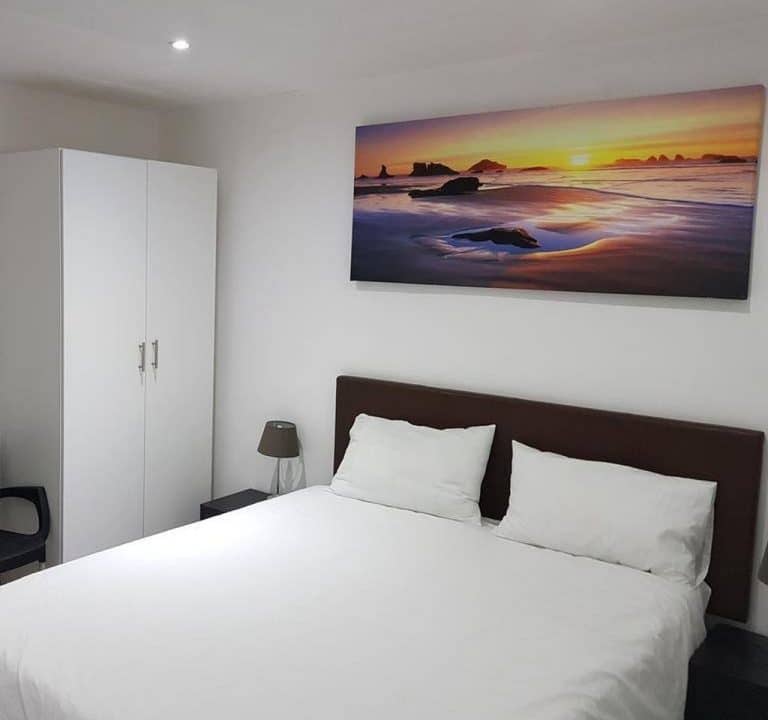
Typical amenities you can expect in well‑appointed Cape Town accommodation include secure entry, a well‑-equipped kitchen, comfortable bedding, climate control or good heating, daily or weekly housekeeping, and reliable internet. Most properties offer flexible booking options for longer visits, with options to extend or adjust stays as plans evolve. If you are arriving with family or a group, look for larger suites, multiple bedrooms, and burner‑friendly lounges with room to relax after a day of exploring.
Getting around is straightforward but requires some planning. The city has a range of transport choices, from car hire and airport shuttles to public buses and ride‑hailing services. If you plan to explore beyond the city centre—such as the Cape Peninsula routes or the winelands—car hire or organised day tours can be practical. For shorter hops within the City Bowl or along the Atlantic Seaboard, walking and cycling are pleasant, especially on scenic coastal paths and through historic streets. A note on safety: while Cape Town is welcoming to visitors, it’s sensible to stay aware of your surroundings, keep valuables secure, and use reputable transport or trusted recommendations for night activities.
The best time to visit Cape Town depends on what you want from your trip. The summer months (November to February) offer warm days perfect for beaches and outdoor markets, but can be busy. Spring (September to November) and autumn (March to May) bring milder weather and fewer crowds, ideal for hiking in the mountains or wine‑region excursions. Winter (June to August) is cooler and wetter, yet still offers cultural events and fewer tourists, with the possibility of dramatic, moody coastlines. Consider shoulder seasons for good value and pleasant conditions if your plans revolve around outdoor activities and tasting rooms.
Attractions and experiences in general terms include iconic viewpoints, coastal walks, and guided tours that showcase the city’s natural beauty and cultural heritage. Visitors typically plan time for a cable car or hike to Table Mountain, visits to historic sites and markets, marine experiences along the coast, and day trips to the Cape Winelands or penguin colonies on the False Bay coastline. Dining in Cape Town runs from casual seaside eateries to refined restaurants emphasising South African flavours and fresh local produce. Look for venues that highlight seasonal menus, farm‑to‑table ingredients, and neighbourhood favourites for a sense of place, rather than relying on putative “must‑see” lists.
If you are weighing accommodation options, a serviced place such as Long Stay Africa can help simplify logistics for longer visits. Their properties typically focus on providing comfortable, well‑equipped spaces with flexibility for extended stays, making it easier to settle in and explore at a relaxed pace. For more information, you can explore their website at the provided link and assess whether a serviced approach aligns with your travel style and itinerary.